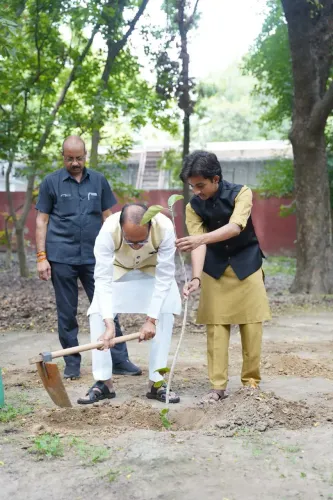
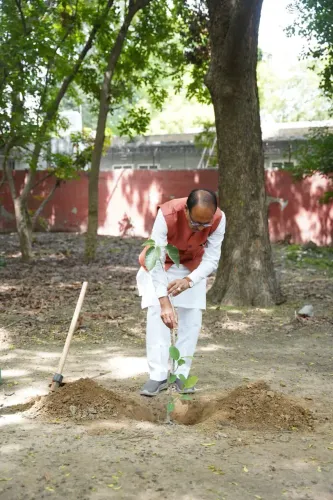
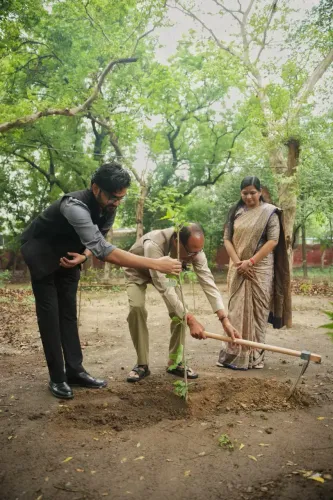
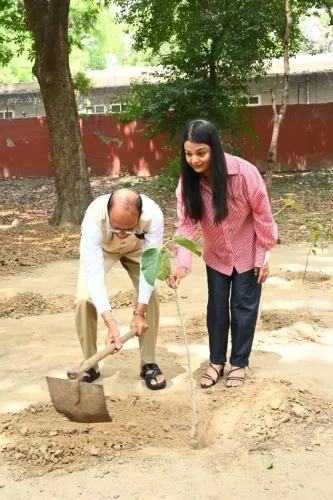
Shivraj Singh Chouhan Plants Sapling in Delhi, Urges Daily Tree Plantation
Synopsis
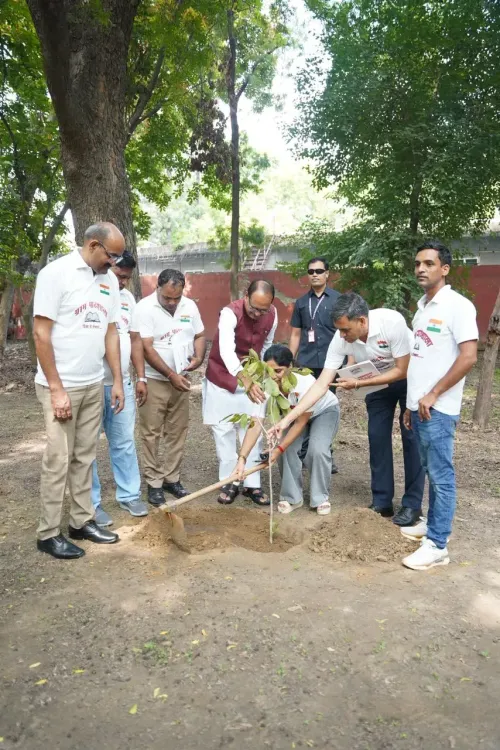
Union Agriculture Minister Shivraj Singh Chouhan planted a sapling in New Delhi on 26 July 2026 as part of his daily tree-plantation resolve, urging citizens to become 'Vriksha Mitra' via missed call or a campaign link under the #OnePlantADay banner.
Key Takeaways
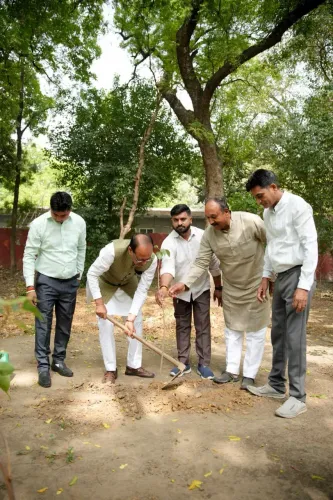
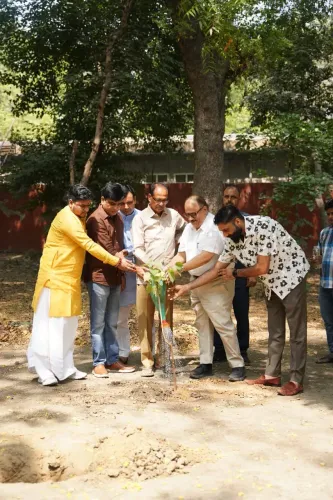
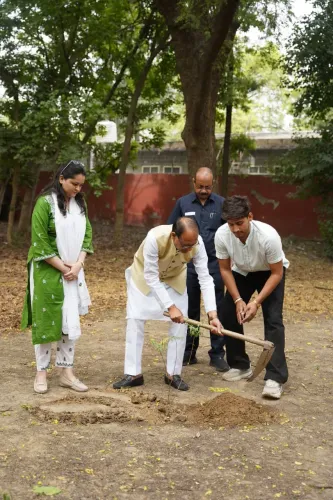
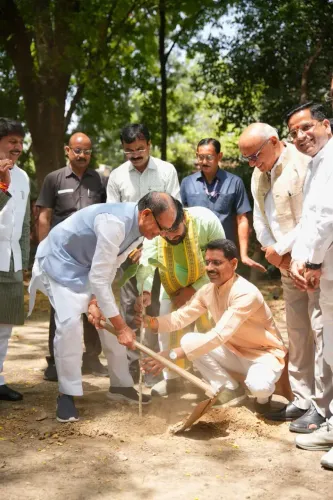
Shivraj Singh Chouhan planted a sapling in New Delhi on 26 July 2026 as part of a daily tree-plantation pledge.
He described the initiative as an expression of gratitude toward nature, calling it a vow of service to humanity.
Citizens can join the 'Vriksha Mitra' (Tree Friend) campaign by giving a missed call to 8929629475 or registering via a dedicated online link.
The campaign is tagged #OnePlantADay and is framed as a sustained individual-action movement.
India's afforestation tradition includes Van Mahotsav (1950), the National Afforestation Programme (2000), and the Green India Mission (2014).
India's NDC targets an additional carbon sink of 2.5–3 billion tonnes of CO₂ equivalent through forest and tree cover by 2030 .
Union Agriculture Minister Shivraj Singh Chouhan on Sunday, 26 July 2026, planted a sapling in New Delhi as part of his daily tree-plantation pledge, calling on citizens across India to join the effort and help enrich the earth. Sharing the act on social media, the senior BJP leader framed the initiative as an expression of gratitude toward nature — 'माँ समान प्रकृति' (nature, akin to a mother) — and a vow of service to humanity.
Context
Chouhan posted in Hindi: 'प्रतिदिन पौधरोपण का संकल्प माँ समान प्रकृति के प्रति अपनी कृतज्ञता ज्ञापित करने तथा मानवता की सेवा का प्रण है' — ('The resolve to plant a sapling every day is a pledge of gratitude toward nature, which is like a mother, and a vow of service to humanity'). He invited followers to become 'Vriksha Mitra' (Tree Friends) by giving a missed call to 8929629475 or clicking a dedicated campaign link. The post was tagged #OnePlantADay, signalling a sustained, individually-driven afforestation campaign.
Policy Backdrop
India's afforestation tradition stretches back to 1950, when the Van Mahotsav festival was launched by K.M. Munshi to build public awareness about forest conservation. The National Afforestation Programme, introduced in 2000, further institutionalised people's participation in expanding forest cover. Under the Green India Mission — one of eight national missions under the National Action Plan on Climate Change, operationalised from 2014 — the government set targets to enhance carbon sinks and increase forest and tree cover by several million hectares, directly linking citizen action to India's climate commitments.
India's Nationally Determined Contributions (NDCs) submitted under the Paris Agreement include a target to create an additional carbon sink of 2.5 to 3 billion tonnes of CO₂ equivalent through forest and tree cover by 2030. Citizen-led plantation drives, amplified by ministerial endorsement, form a visible grassroots layer of this larger national strategy.
Stakeholders and Impact
The immediate audience is the general public, particularly social-media users and volunteers engaged in environmental causes. The 'Vriksha Mitra' mechanism — combining a missed-call registration with an online participation link — is designed to lower the barrier to entry for citizens in both urban and rural areas. Political leaders and ministers who participate visibly in such campaigns tend to amplify reach significantly, often mobilising local party networks and community groups.
As a former four-term Chief Minister of Madhya Pradesh, Chouhan has previously championed large-scale plantation drives at the state level, lending personal credibility to the campaign. His current role overseeing Agriculture and Rural Development at the Centre aligns tree-planting advocacy with broader goals of land health, soil conservation, and rural livelihoods.
What's Next
The #OnePlantADay campaign's momentum will depend on public uptake of the missed-call and online registration mechanism. Progress on India's afforestation targets under its NDCs is expected to be reviewed as part of ongoing climate-policy assessments. Should the initiative gain traction, it could prompt other central ministers or state governments to launch parallel citizen-engagement drives, adding a competitive grassroots dimension to India's green-cover goals.
Point of View
High-visibility civic engagement that reinforces a green identity without requiring legislative action. Framing nature as a maternal figure taps deep cultural resonance in India, making the campaign broadly palatable across political lines. The missed-call mechanism is a proven grassroots mobilisation tool in Indian politics, suggesting the initiative is as much about building a participatory base as it is about environmental impact. Watched against India's NDC commitments and the Green India Mission's targets, such citizen-facing campaigns reflect a deliberate strategy of distributing climate responsibility to individual actors.
NationPress
26 Jul 2026
Frequently Asked Questions
What is Shivraj Singh Chouhan's #OnePlantADay campaign?
It is a daily tree-plantation initiative by Union Agriculture Minister Shivraj Singh Chouhan, in which he plants a sapling every day and invites citizens to do the same, framing the act as gratitude toward nature and service to humanity.
How can I become a 'Vriksha Mitra' under Shivraj Chouhan's campaign?
You can become a 'Vriksha Mitra' (Tree Friend) by giving a missed call to 8929629475 or by registering through the campaign link shared by Chouhan on social media.
What is Van Mahotsav and how does it relate to this campaign?
Van Mahotsav is India's annual tree-plantation festival, first celebrated in 1950 and initiated by K.M. Munshi to promote afforestation. Chouhan's #OnePlantADay drive continues this long-standing tradition of government-backed public plantation campaigns.
What is India's tree cover target under the Paris Agreement?
India's Nationally Determined Contributions (NDCs) under the Paris Agreement include a goal to create an additional carbon sink of 2.5 to 3 billion tonnes of CO₂ equivalent through forest and tree cover by 2030 .
What is the Green India Mission?
The Green India Mission is one of eight national missions under India's National Action Plan on Climate Change, operationalised from 2014 , aimed at increasing forest and tree cover and enhancing carbon sinks to meet the country's climate commitments.