Shivraj Singh Chouhan: PM-KISAN funds sent to 9 cr farmers, PMFBY launched in West Bengal

Synopsis
Agriculture Minister Shivraj Singh Chouhan announced on 20 June 2026 that PM-KISAN funds have been transferred to over 9 crore farmers nationwide, and that West Bengal has launched the Pradhan Mantri Fasal Bima Yojana, giving the state's farming households access to crop insurance for the first time under the scheme.
Key Takeaways
PM-KISAN funds were transferred to the bank accounts of more than 9 crore farmers across India on 20 June 2026 .
West Bengal formally commenced implementation of the Pradhan Mantri Fasal Bima Yojana (PMFBY) from the same date, marking a significant state-level adoption.
PM-KISAN provides ₹6,000 per year in three instalments of ₹2,000 each via Direct Benefit Transfer to eligible farmer families.
PMFBY, launched nationally in 2016 , protects farmers against crop losses due to natural calamities; state participation is voluntary under India's federal framework.
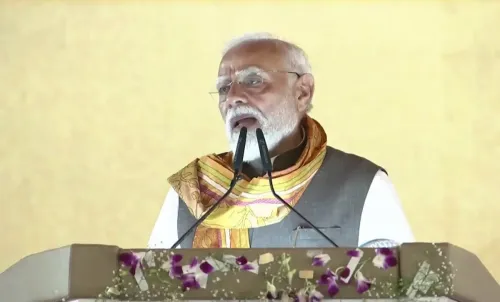
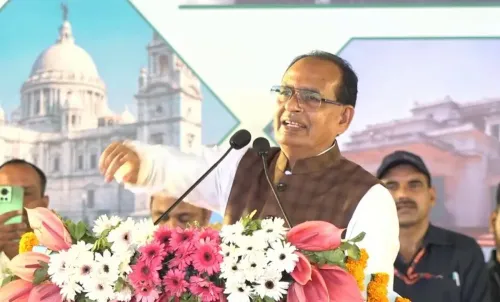
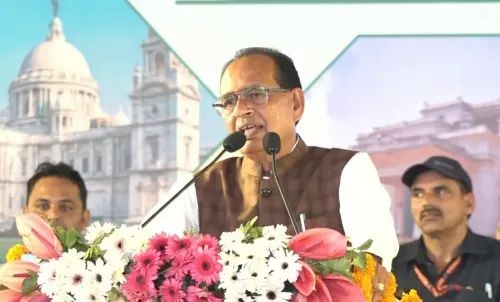
The announcements were attributed to Prime Minister Narendra Modi by Union Agriculture Minister Shivraj Singh Chouhan in a post on X.
West Bengal is a major rice-producing state, and its PMFBY adoption opens structured crop-risk coverage to a large smallholder farming population.
Union Agriculture Minister Shivraj Singh Chouhan announced on Saturday, 20 June 2026 that funds under the Pradhan Mantri Kisan Samman Nidhi (PM-KISAN) scheme have been transferred to the bank accounts of more than 9 crore farmers across the country, and that the Pradhan Mantri Fasal Bima Yojana (PMFBY) has been formally launched in West Bengal — marking the state's entry into the centrally sponsored crop insurance programme.
Context
Chouhan posted on X, attributing both developments to Prime Minister Narendra Modi. In his post, he wrote: 'Aaj PM Kisan Samman Nidhi ke tahat deshbhar ke 9 crore se adhik kisanon ke bank khaton mein paise bheje gaye hain' ('Today, funds under PM-KISAN have been sent to the bank accounts of more than 9 crore farmers across the country'). He added that West Bengal farmers have a further reason to celebrate, as the state is beginning implementation of the crop insurance scheme from the same day. 'Fasal Bima Yojana mushkil samay mein kisan ke parivaar ko sahara degi' ('The crop insurance scheme will support a farmer's family in difficult times'), he wrote.
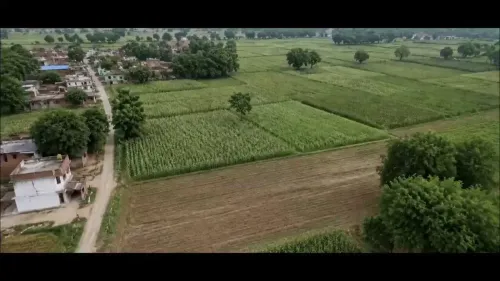
The post was tagged #PMKISAN and accompanied by a video, signalling an organised communication push around what appears to be a scheduled instalment release and a significant state-level policy rollout.
Policy Backdrop
PM-KISAN, launched in February 2019, provides an annual direct income support of ₹6,000 to eligible landholding farmer families, disbursed in three instalments of ₹2,000 each directly into beneficiary bank accounts via the Direct Benefit Transfer (DBT) mechanism. The scheme has seen multiple rounds of disbursements since its launch, with beneficiary numbers growing steadily over successive cycles.
PMFBY, introduced in 2016, replaced earlier crop insurance programmes such as the National Agricultural Insurance Scheme (NAIS) and the Modified NAIS. It protects farmers against yield losses caused by natural calamities, pests, and diseases. Crucially, participation in PMFBY is state-dependent under India's federal structure — states must formally opt in, which has led to staggered rollouts across different regions over the years. West Bengal's adoption, as announced on 20 June, brings a major agricultural state with a large smallholder farming population into the scheme's fold.
Stakeholders and Impact
The PM-KISAN transfer directly benefits small and marginal farmers nationwide, providing a predictable income cushion ahead of the Kharif sowing season. For farmers in West Bengal — one of India's largest rice-producing states — the commencement of PMFBY represents access to structured financial protection against crop failure for the first time under this scheme.
Agricultural households in the state will now be eligible to enrol under PMFBY, with premium subsidies shared between the Centre and the state government. The scheme's design ensures that even in seasons of acute weather-related distress — floods, cyclones, or drought — insured farmers receive compensation, reducing the risk of debt-driven distress that has historically plagued farming communities in the region.
What's Next
Attention will now shift to enrolment figures and claim settlement timelines as PMFBY becomes operational in West Bengal ahead of the Kharif season. Effective implementation will depend on state-level administrative machinery, timely premium collection, and coordination with insurance providers empanelled under the scheme.
On PM-KISAN, the next instalment cycle and any revision to the beneficiary list or eligibility norms will be closely watched by farmer organisations and parliamentary committees. The twin announcements reinforce the central government's strategy of pairing direct income transfers with risk-mitigation instruments as the twin pillars of its agricultural welfare architecture.
Point of View
Amplifying the Centre's outreach to a state where it has historically faced electoral headwinds. West Bengal's entry into PMFBY is significant: the state had stayed out of the scheme for years, and its inclusion now expands the scheme's footprint into one of India's most populous farming regions. Chouhan's framing — crediting Prime Minister Modi prominently — is consistent with the BJP's broader communication strategy of anchoring welfare deliveries to the Prime Minister's personal brand. The dual announcement ahead of the Kharif season is designed to maximise visibility among the farming constituency at a moment of peak agricultural relevance.
NationPress
21 Jun 2026
Frequently Asked Questions
What is PM-KISAN and how much money do farmers get?
PM-KISAN (Pradhan Mantri Kisan Samman Nidhi) is a central government scheme that provides ₹6,000 per year in direct income support to eligible landholding farmer families, paid in three instalments of ₹2,000 each directly into their bank accounts via DBT. It was launched in February 2019.
Has PMFBY been launched in West Bengal?
Yes. According to Union Agriculture Minister Shivraj Singh Chouhan's post on 20 June 2026 , the Pradhan Mantri Fasal Bima Yojana (PMFBY) has been formally launched in West Bengal from that date, bringing the state's farmers under the crop insurance scheme for the first time.
How many farmers received PM-KISAN money in June 2026?
Agriculture Minister Shivraj Singh Chouhan announced that funds were transferred to the bank accounts of more than 9 crore farmers across India on 20 June 2026 under the PM-KISAN scheme.
What does PMFBY cover and how does it help farmers?
The Pradhan Mantri Fasal Bima Yojana provides financial compensation to farmers who suffer crop yield losses due to natural calamities, pests, or diseases. Premium costs are subsidised by the central and state governments, making it accessible to small and marginal farmers.
Why did West Bengal join PMFBY only now?
Participation in PMFBY is voluntary for states under India's federal structure, and states must formally opt in and share premium costs with the Centre. West Bengal's decision to join the scheme in 2026 follows years during which the state had not participated in the programme.