Shivraj Singh Chouhan pushes MGNREGA rollout to all Gram Panchayats
Synopsis
Union Agriculture Minister Shivraj Singh Chouhan on 5 July 2026 declared that a newly adopted rural employment system generated lakhs of man-days in its first week, and set full gram panchayat coverage — not partial rollout — as the non-negotiable target.
Key Takeaways
Union Agriculture Minister Shivraj Singh Chouhan posted on 5 July 2026 about progress under a newly adopted rural employment system.
He said lakhs of man-days were generated in the very first week , providing employment to a large number of people.
Chouhan described the early start as 'very good' but insisted the target is coverage of all gram panchayats , not just a few.
The remarks align with the framework of MGNREGA , which guarantees up to 100 days of wage employment per year to rural households.
Gram panchayats are the front-line bodies executing these works; full panchayat participation is central to the saturation drive.
Quarterly MGNREGA performance reports will serve as the key scorecard for the initiative going forward.
Union Agriculture Minister Shivraj Singh Chouhan on Sunday, 5 July 2026, called for expanding a newly adopted rural employment system to every gram panchayat in the country, saying the early results — with lakhs of man-days generated in the very first week — were encouraging but the work was far from complete.
Context
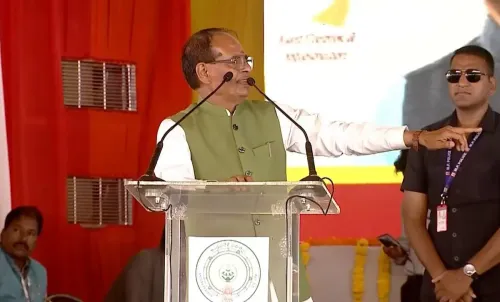
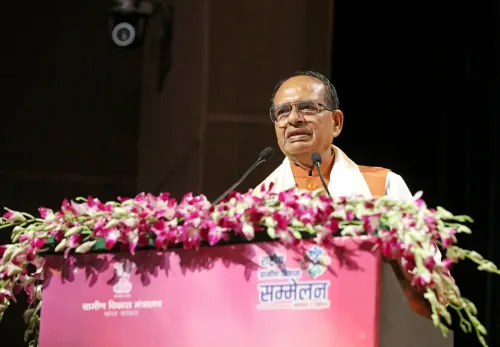
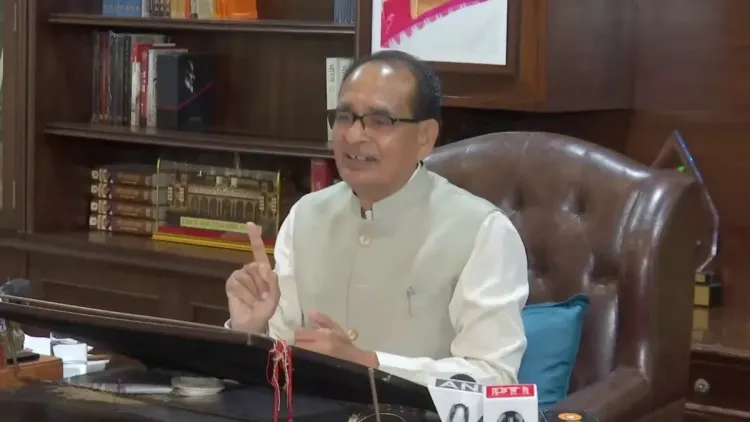
Addressing what appears to be a gathering of rural development or panchayat officials, Chouhan said, 'Pehle hi saptah mein laakhon man-days srujit karte hue' ('generating lakhs of man-days in the very first week itself'), a large number of people had been provided employment under the new system. He described the start as 'very good' but stressed the goal was not limited to a few gram panchayats — it was to begin work across all gram panchayats.
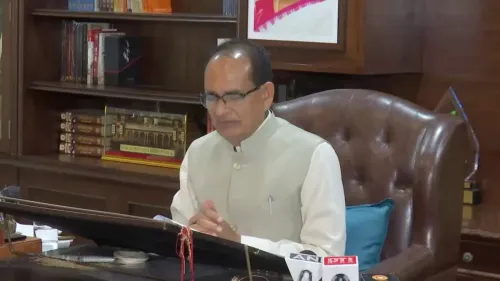
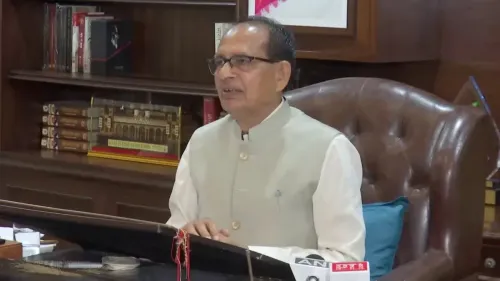
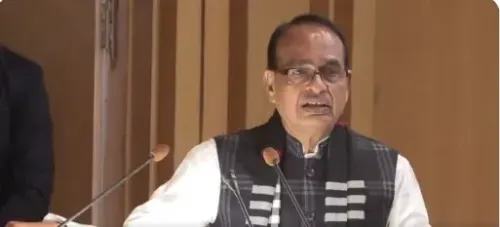
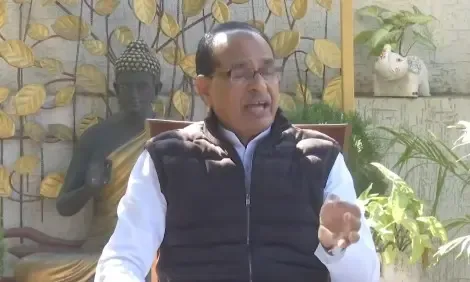
The minister's remarks were accompanied by a video posted on his official X account, indicating he was speaking directly to stakeholders involved in implementation rather than issuing a written statement.
Policy Backdrop
The comments are set against the framework of the Mahatma Gandhi National Rural Employment Guarantee Act (MGNREGA), enacted in 2005, which guarantees up to 100 days of wage employment per year to rural households through gram panchayat-led public works. The scheme is one of the world's largest social protection programmes and remains the primary statutory vehicle for rural employment generation in India.
Successive governments have periodically revised MGNREGA guidelines to increase person-days generated, widen the list of permissible works, and deepen panchayat-level ownership of implementation. The current emphasis, consistent with Chouhan's remarks, is on saturating coverage so that no gram panchayat is left out of the employment pipeline. His portfolio — spanning both Agriculture & Farmers Welfare and Rural Development — places him at the intersection of farm-income support and rural infrastructure creation, giving him direct administrative oversight of MGNREGA.
Stakeholders and Impact
Gram panchayats are the front-line bodies responsible for planning, approving, and executing works under MGNREGA, making their full participation essential to any saturation drive. Rural wage workers — particularly agricultural labourers in lean seasons — are the direct beneficiaries, and a ramp-up in man-days translates to immediate income support for some of India's most economically vulnerable households.
The minister's framing of 'lakhs of man-days in the first week' as a baseline, rather than an end-point, signals that the Centre is measuring success by breadth of panchayat coverage rather than aggregate numbers alone. This marks a shift in emphasis from volume to universality of access.
What's Next
Quarterly MGNREGA performance reports — tracking person-days generated, active panchayats, and wage disbursement — will be the primary scorecard for the initiative Chouhan described. Any mid-year shortfall in coverage could prompt administrative directives to state governments, which manage on-ground implementation.
Broader course corrections, if needed, could surface at the next rural development ministry review or be reflected in allocations during the Union Budget cycle. With Chouhan publicly anchoring accountability at the gram panchayat level, the political and administrative pressure on state machinery to achieve full coverage is likely to intensify in the coming months.
Point of View
He is managing expectations while building a narrative of momentum. This mirrors a broader BJP strategy of coupling welfare delivery with visible ministerial ownership, particularly in states heading toward assembly elections. The durability of that narrative will depend entirely on whether the saturation target survives contact with ground-level implementation realities.
NationPress
5 Jul 2026
Frequently Asked Questions
What did Shivraj Singh Chouhan say about MGNREGA gram panchayat coverage?
Chouhan said that while lakhs of man-days were generated in the first week of a new rural employment system — a 'very good' start — the real goal is to begin work in all gram panchayats, not just a select few.
What is MGNREGA and how does it work?
MGNREGA, enacted in 2005, is a central government scheme that legally guarantees up to 100 days of wage employment per year to rural households. Works are planned and executed by gram panchayats, with wages paid directly to workers.
What are man-days in the context of MGNREGA?
A 'man-day' is a unit measuring one person working for one full day under the scheme. Generating lakhs of man-days means providing full-day work to hundreds of thousands of rural workers, and it is the primary metric used to track MGNREGA performance.
Who oversees MGNREGA implementation at the ground level?
Gram panchayats — village-level elected local bodies — are responsible for planning, approving, and executing MGNREGA works. State governments supervise them, while the Union Ministry of Rural Development sets policy and releases funds.
How will the success of this new rural employment system be measured?
Quarterly MGNREGA performance reports tracking person-days generated, active panchayats, and wage disbursement will be the primary scorecard. Results could also influence rural development allocations in the next Union Budget.