Shivraj Singh Chouhan salutes tribal families leaving Neelgarh for forests
Synopsis
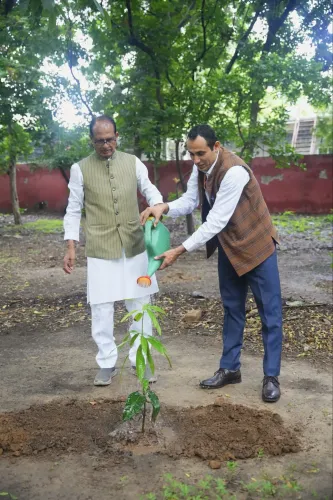
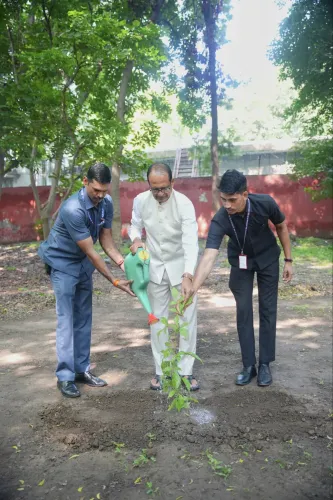
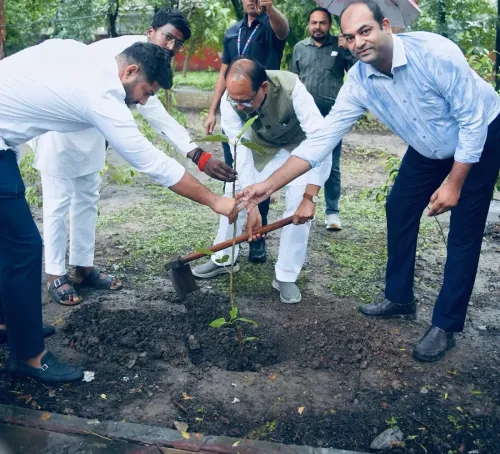
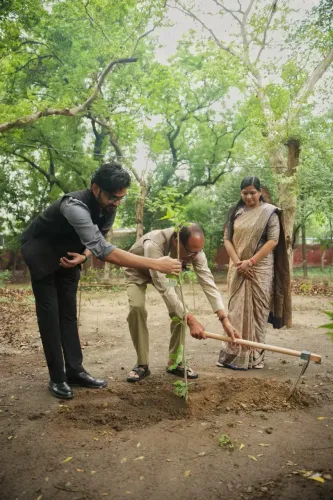
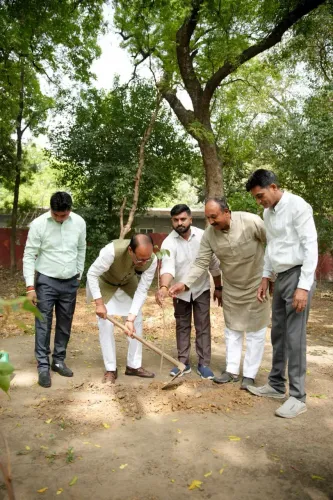
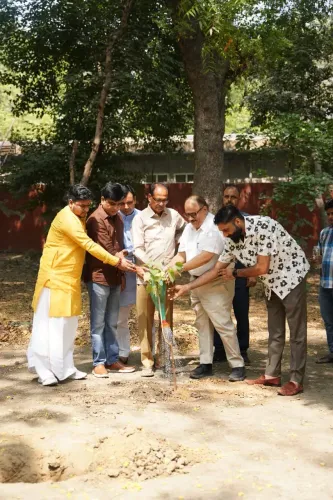
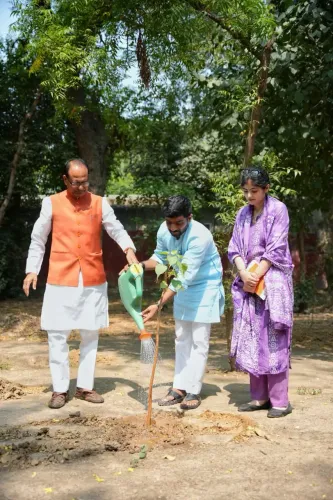
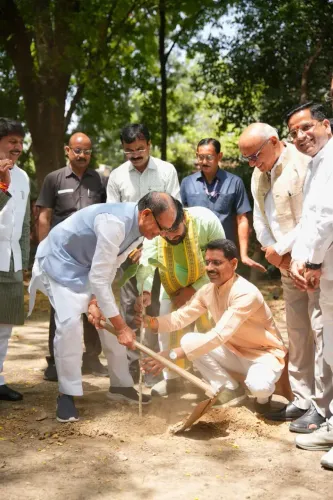
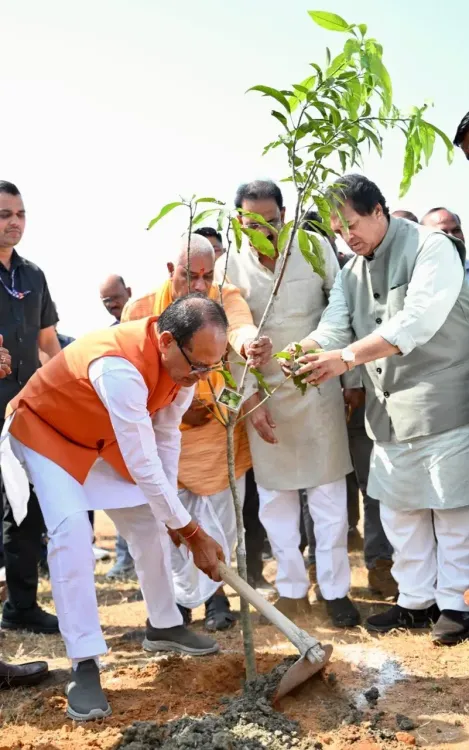
Union Agriculture Minister Shivraj Singh Chouhan planted a mango sapling at Naya Neelgarh on 25 October 2026, paying tribute to tribal families voluntarily surrendering their ancestral village for forest and wildlife conservation — a gesture tied to India's Project Tiger relocation tradition.
Key Takeaways
Union Agriculture Minister Shivraj Singh Chouhan visited Naya Neelgarh on 25 October 2026 for a plantation event.
Tribal families from Neelgarh are voluntarily leaving their homes and ancestral land to make way for forest and wildlife conservation.
Chouhan planted a mango sapling as a symbol of the community's new beginning and enduring bond with nature.
The relocation is part of a broader practice linked to India's Project Tiger (launched 1973 ), under which villages in core protected-area zones are voluntarily relocated.
Madhya Pradesh is among India's most active states in executing such wildlife-conservation relocations.
The post was tagged #OnePlantADay , part of Chouhan's ongoing personal green-pledge campaign on social media.
A mango sapling planted on Sunday, 25 October 2026, carried far more weight than a routine green gesture. Union Agriculture Minister Shivraj Singh Chouhan visited Naya Neelgarh — the resettlement site where tribal families from Neelgarh are voluntarily giving up their homes, their village, and their ancestral land so that forests and wildlife can be protected — and came away visibly moved.
Chouhan wrote on X in Hindi: 'आज का पौधरोपण मेरे लिए भावुक करने वाला है' ('Today's plantation is one that moves me deeply'). He described how the tribal brothers and sisters of Neelgarh, who have lived in those forests for generations, are now settling in Naya Neelgarh — a new site built to receive them — having surrendered everything they knew for the sake of nature and wildlife. 'Their sacrifice and dedication for the protection of nature and wild animals is truly worthy of reverence. I bow to their sacrifice from the bottom of my heart,' he wrote, tagging the post #OnePlantADay.
A sacrifice rooted in India's longest-running conservation mission
The relocation of Neelgarh's tribal residents belongs to a decades-long tradition that Project Tiger — launched in 1973 — set in motion. The policy principle is straightforward but the human reality is not: communities that have co-existed with forests for centuries are asked to move so that core wildlife habitats remain free of human pressure. In exchange, the government provides alternative land, housing, and infrastructure at newly built settlements.
Madhya Pradesh, home to more tiger reserves than any other Indian state, has been among the most active states in carrying out such voluntary relocations. Each completed move is typically marked by plantation drives at the new site — a symbolic act that says: a new chapter begins here, and nature remains at its centre.
What the mango sapling is meant to signify
Chouhan was deliberate about the choice of symbolism. The mango sapling planted at Naya Neelgarh, he said, 'will become a symbol of the beginning of their new life and their love for nature.' A mango tree takes years to fruit — patient, deep-rooted, generous. It is a fitting emblem for a community asked to rebuild from scratch.
The minister's #OnePlantADay tag places this act within what appears to be a personal daily plantation campaign he has been running on social media — a thread of individual green gestures meant to add up to something larger.
India's tribal relocation programme has not been without controversy elsewhere in the country; questions of consent, compensation adequacy, and cultural uprooting have been raised in various cases. But Chouhan's framing here is one of voluntary sacrifice and community pride — and the tribal families of Neelgarh, by his account, are choosing to make this move as an act of devotion to the land they are leaving behind. That inversion — leaving the forest to save the forest — is what made the minister reach for the word vandaniya: worthy of reverence.
Point of View
The minister reinforces a narrative that conservation and community dignity can coexist. The #OnePlantADay thread meanwhile signals an effort to build a sustained, visible green identity — useful political capital as India's climate commitments draw greater scrutiny ahead of international reviews. The real test will be whether the infrastructure and livelihood promises at Naya Neelgarh match the emotion of the moment.
NationPress
25 Oct 2026
Frequently Asked Questions
Why are tribal families leaving Neelgarh?
The tribal families of Neelgarh are voluntarily relocating to a new settlement called Naya Neelgarh to allow the surrounding forests and wildlife habitats to be protected from human pressure, as part of conservation efforts linked to India's wildlife protection policies.
What is India's Project Tiger and why does it relocate villages?
Project Tiger, launched in 1973, is India's flagship wildlife conservation programme. It includes a policy of voluntarily relocating villages from core tiger-reserve areas to reduce human-wildlife conflict and let forest ecosystems recover, with the government providing alternative land and housing at new sites.
What did Shivraj Singh Chouhan do at Naya Neelgarh?
Union Agriculture Minister Shivraj Singh Chouhan planted a mango sapling at the Naya Neelgarh resettlement site on 25 October 2026 and paid tribute to the tribal families there, calling their sacrifice worthy of reverence.
What is the #OnePlantADay campaign Chouhan is running?
#OnePlantADay is a personal daily plantation pledge that Shivraj Singh Chouhan has been documenting on social media, planting one tree or sapling each day as part of a green awareness drive.
Which state leads India in tribal relocations from tiger reserves?
Madhya Pradesh, which has more tiger reserves than any other Indian state, has been one of the most active in carrying out voluntary relocation of forest-dwelling communities from protected areas under wildlife conservation programmes.