Siddaramaiah slams Centre over ₹3/litre fuel hike, demands Modi rollback
Synopsis
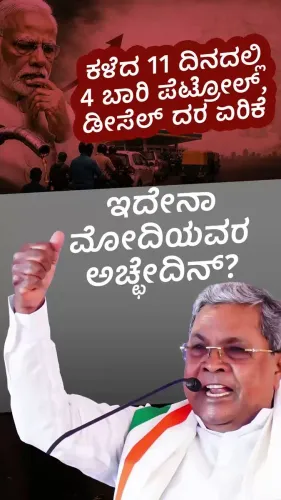
Karnataka Chief Minister Siddaramaiah has gone beyond a routine political statement — he is framing the ₹3 per litre fuel hike as proof of systemic economic mismanagement, citing Bengaluru petrol at ₹106 and alleging the Centre hoarded tax gains when crude was cheap. His demand for Modi's resignation signals the Congress is treating this price hike as a full electoral flashpoint.
Key Takeaways
Karnataka CM Siddaramaiah on 15 May condemned the Centre's ₹3 per litre hike in petrol and diesel prices.
Petrol in Bengaluru has crossed ₹106 per litre ; diesel is nearing ₹94 per litre .
Siddaramaiah warned the hike will push up prices of vegetables, milk, freight, school transport, and farm inputs.
He alleged the Centre collected 'huge taxes' during low crude-oil periods without passing savings to consumers.
The Chief Minister demanded an immediate rollback and called on Prime Minister Modi to resign over economic mismanagement.
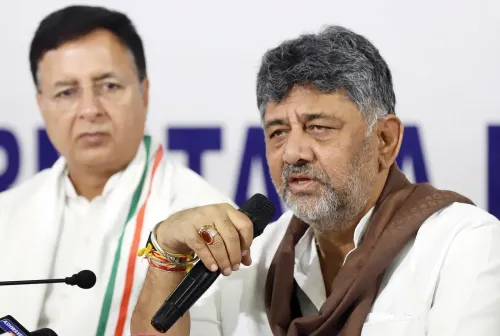
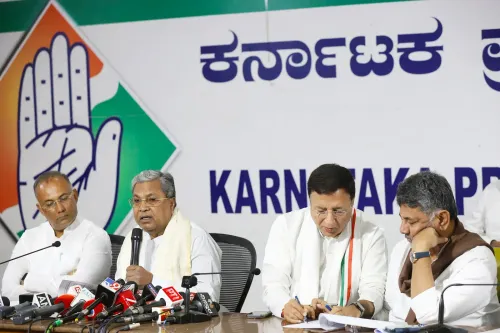
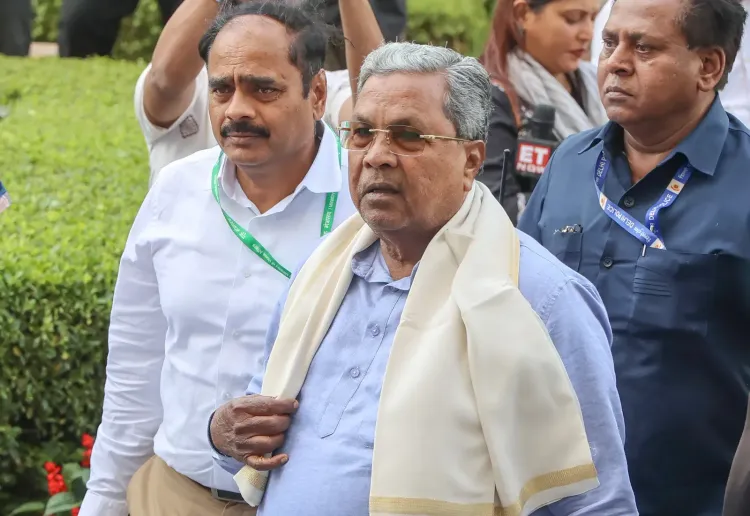
Karnataka Chief Minister Siddaramaiah on Friday, 15 May launched a sharp attack on the Centre over the recent hike in petrol and diesel prices, accusing the Prime Minister Narendra Modi-led government of loading the burden of its economic failures onto ordinary citizens. The Congress leader demanded an immediate rollback of the ₹3 per litre increase.
What Siddaramaiah Said
Issuing a press statement from Bengaluru, Siddaramaiah described the fuel price revision as an 'anti-people decision.' 'The PM Modi government has once again punished the people for its own failures by increasing petrol and diesel prices by ₹3 per litre. This is not just a price hike; it is another direct attack on the daily life of ordinary Indians,' he said.
The Chief Minister noted that petrol in Bengaluru had crossed ₹106 per litre while diesel was nearing ₹94 per litre, placing both fuels among the highest-priced in major Indian cities.
Cascading Impact on Essentials
Siddaramaiah warned that the hike would set off a chain reaction across the economy. 'This increase will affect vegetable prices, grocery bills, milk prices, construction costs, school van fees, taxi and auto fares, farm input costs, and almost every essential commodity,' he stated. He identified farmers, workers, small traders, women managing household budgets, and the middle class as the hardest-hit groups.
The ripple effect of fuel price increases on transportation and logistics costs is well-documented — a ₹1 per litre rise in diesel, for instance, typically pushes freight rates up by an estimated 0.5–1%, eventually feeding into retail prices of goods.
Tax Collection Allegation
Siddaramaiah also accused the Centre of having collected 'huge taxes' during periods of low global crude prices without passing relief to consumers. 'When crude oil prices were low, the PM Modi government never gave full relief to the people. It collected huge taxes and filled its treasury. But when prices rise, the burden is immediately transferred to citizens. This is not governance; this is exploitation,' he alleged.
This criticism echoes a long-running opposition argument: that the Centre raised excise duties on fuel sharply between 2014 and 2020 — when crude was cheap — and did not proportionately cut them when crude recovered. The Centre has previously defended its fuel tax stance by citing infrastructure and welfare spending requirements.
Political Demand and Broader Charges
Going beyond the fuel issue, Siddaramaiah accused the Centre of failing to control inflation, protect the rupee, and manage the economy effectively. He further alleged that Prime Minister Modi showed greater urgency in protecting 'capitalist friends' than ordinary citizens — a charge the ruling Bharatiya Janata Party (BJP) has consistently denied.
The Chief Minister concluded by demanding Prime Minister Modi's resignation. 'For repeatedly failing the people, mismanaging the economy, and pushing ordinary families into deeper hardship, PM Modi must take responsibility and resign,' Siddaramaiah said. The BJP is yet to formally respond to the Karnataka government's statement.
Point of View
Slow relief when it rises — has been independently documented and is difficult to rebut with data. What the statement lacks is any acknowledgement of Karnataka's own state-level fuel taxes, which contribute significantly to the final pump price. A credible opposition critique on fuel pricing must reckon with both levers, not just one. The demand for Modi's resignation, tacked on at the end, risks diluting an otherwise substantive economic argument into routine political theatre.
NationPress
22 Sept 2026
Frequently Asked Questions
Why did Karnataka CM Siddaramaiah criticise the Centre over fuel prices?
Siddaramaiah condemned the Centre's ₹3 per litre increase in petrol and diesel prices on 15 May, calling it an 'anti-people decision' that burdens ordinary citizens. He argued the hike reflects economic mismanagement and demanded an immediate rollback.
What are the current petrol and diesel prices in Bengaluru?
According to Siddaramaiah's statement, petrol in Bengaluru has crossed ₹106 per litre while diesel is nearing ₹94 per litre following the latest revision.
How will the fuel price hike affect common citizens?
Siddaramaiah warned the hike will trigger higher costs for vegetables, groceries, milk, construction materials, school transport, taxi and auto fares, and farm inputs. He said farmers, workers, small traders, women managing household budgets, and the middle class will be hit hardest.
What is Siddaramaiah's allegation about Centre's fuel tax collection?
He alleged that during periods when global crude oil prices were low, the Centre collected large excise revenues without passing the benefit to consumers. He described this as 'exploitation,' arguing the burden is always shifted to citizens when prices rise.
Has the BJP responded to Siddaramaiah's statement?
The BJP had not formally responded to the Karnataka government's statement at the time of reporting. The Centre has previously defended its fuel tax policy by citing infrastructure and welfare spending needs.