Sikkim CM Tamang marks Samvidhan Hatya Diwas, recalls 1975 Emergency

Synopsis
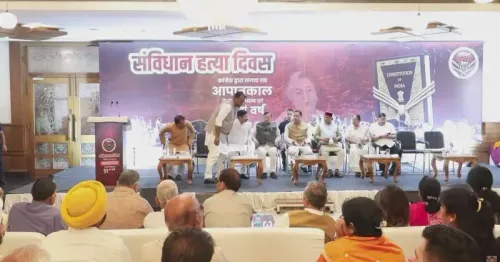
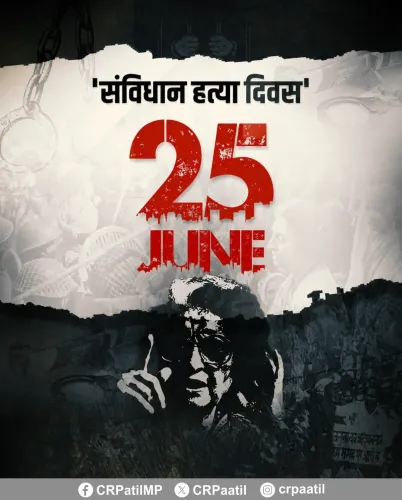
Sikkim Chief Minister Prem Singh Tamang on 25 June 2026 marked Samvidhan Hatya Diwas by recalling the 1975 Emergency as a dark chapter for civil liberties and calling on citizens to uphold constitutional values and the rule of law.
Key Takeaways
Sikkim Chief Minister Prem Singh Tamang posted on X on 25 June 2026 to mark Samvidhan Hatya Diwas .
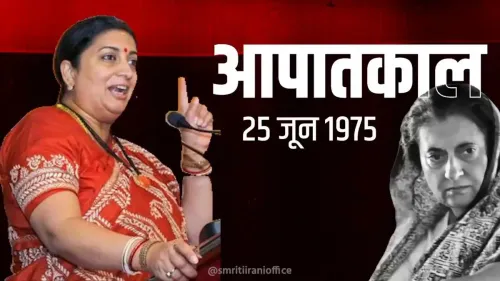
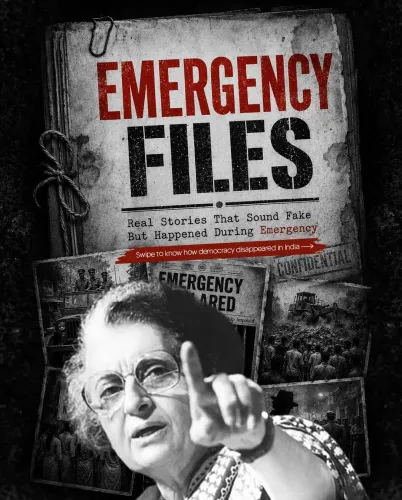
He recalled the 1975 Emergency declared by then Prime Minister Indira Gandhi as 'a challenging phase in India's democratic journey.' The Emergency lasted 21 months , from 25 June 1975 to 21 March 1977 , during which civil liberties were suspended.
Tamang urged citizens to 'uphold the sanctity of our Constitution and protect the democratic legacy entrusted to us.' The commemoration is part of an annual political tradition observed by leaders across national and regional parties in India.
Tamang is the founder-president of the Sikkim Krantikari Morcha , the ruling party in Sikkim .
Sikkim Chief Minister Prem Singh Tamang on 25 June 2026 marked Samvidhan Hatya Diwas with a post on X, recalling the 1975 Emergency as 'a challenging phase in India's democratic journey' and urging continued commitment to constitutional values.
Context
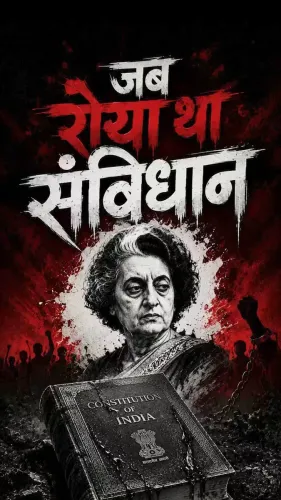
The 25 June anniversary commemorates the night in 1975 when then Prime Minister Indira Gandhi invoked Article 352 to declare a state of internal emergency, suspending civil liberties and curbing free expression across the country. The 21-month Emergency period, which lasted until 21 March 1977, remains one of the most contested episodes in post-independence Indian history. It ended after fresh general elections brought the Janata Party to power at the centre.
Chief Minister Tamang's post stated that the day 'reminds us of the courage of those who defended constitutional ideals and the importance of remaining committed to justice, freedom, and the rule of law.' He called on citizens to 'uphold the sanctity of our Constitution and protect the democratic legacy entrusted to us.'
Policy Backdrop
The observance of Samvidhan Hatya Diwas on 25 June has become an established fixture in the Indian political calendar, with leaders across national and regional parties issuing annual statements to mark the occasion. These commemorations typically reaffirm commitment to constitutional norms and democratic governance. They also serve as a recurring site of partisan framing, where the historical record of the Emergency is invoked to draw contrasts on questions of civil liberties and institutional independence.
Prem Singh Tamang, founder-president of the Sikkim Krantikari Morcha (SKM), leads the government in Gangtok, Sikkim. His statement aligns with the broader pattern of regional chief ministers participating in nationally significant political commemorations to signal ideological positioning on constitutional matters.
Stakeholders and Impact
Civil liberties advocates and constitutional scholars view annual Emergency commemorations as an opportunity to reinforce public awareness of democratic safeguards enshrined in the Indian Constitution. Political parties use the occasion to articulate their own democratic credentials and to contrast their governance philosophy with what they characterise as authoritarian tendencies of the past.
For Sikkim, a state that itself underwent a historic merger with India in 1975 — the same year as the Emergency — the date carries layered significance. Citizens and political observers in the state are therefore doubly attuned to the constitutional questions the anniversary raises.
What's Next
Annual statements and events around 25 June are expected to continue as a recurring feature of India's political calendar, with references likely to surface in state legislative sessions and national debates on constitutional safeguards. Chief Minister Tamang's public engagement on the occasion signals the SKM government's intent to remain active participants in national constitutional discourse. How regional parties frame the Emergency's legacy will continue to reflect evolving debates about democratic norms and institutional resilience in India.
Point of View
Tamang signals ideological solidarity with the broader BJP-aligned political ecosystem, which has championed the 25 June observance as a counter-narrative to the Congress era. For a regional party like the SKM, such statements serve a dual purpose: affirming national democratic credentials while reinforcing the party's own image as a guardian of constitutional governance in Sikkim. The annual recurrence of these commemorations underscores how the Emergency remains a living political instrument rather than a settled historical footnote.
NationPress
24 Sept 2026
Frequently Asked Questions
What is Samvidhan Hatya Diwas?
Samvidhan Hatya Diwas is observed on 25 June each year to mark the anniversary of the 1975 Emergency declared by Prime Minister Indira Gandhi, which suspended civil liberties and curtailed democratic rights in India for 21 months.
What did Sikkim CM Prem Singh Tamang say on Samvidhan Hatya Diwas 2026?
Chief Minister Prem Singh Tamang called the 1975 Emergency 'a challenging phase in India's democratic journey' and urged citizens to uphold the sanctity of the Constitution and remain committed to justice, freedom, and the rule of law.
When did the 1975 Emergency end?
The 1975 Emergency was formally revoked on 21 March 1977 after general elections brought the Janata Party to power at the centre, ending 21 months of suspended civil liberties.
Who is Prem Singh Tamang?
Prem Singh Tamang, also known as Golay, is the Chief Minister of Sikkim and the founder-president of the Sikkim Krantikari Morcha, the regional party currently governing the state.
Why is 25 June significant in Indian political history?
25 June marks the night in 1975 when Prime Minister Indira Gandhi declared a state of internal emergency under Article 352, suspending civil liberties and restricting free expression across India for 21 months.