Did Sikkim CM Pray for India's Peace and Prosperity at Nepal's Manakamana Temple?
Synopsis
Sikkim CM Prem Singh Tamang's visit to Nepal's Manakamana Temple highlights the importance of spiritual values in governance. He prayed for the welfare of the people and the nation's progress, emphasizing compassion and unity. This pilgrimage not only enriched his spirit but also reinforced the significance of cultural heritage in public life.
Key Takeaways
Spiritual journeys can provide profound personal enrichment.
The Manakamana Temple is a symbol of faith and hope for many.
Prayer for collective well-being can transcend geographical boundaries.
Spiritual values play a crucial role in effective governance.
Compassion and unity are essential for societal progress.
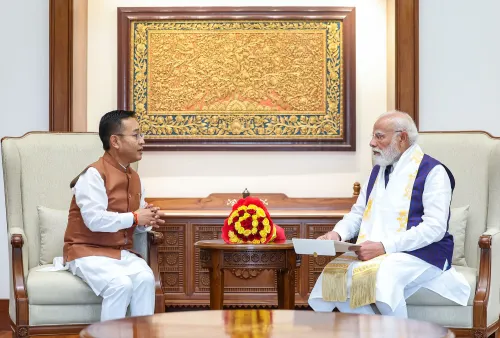
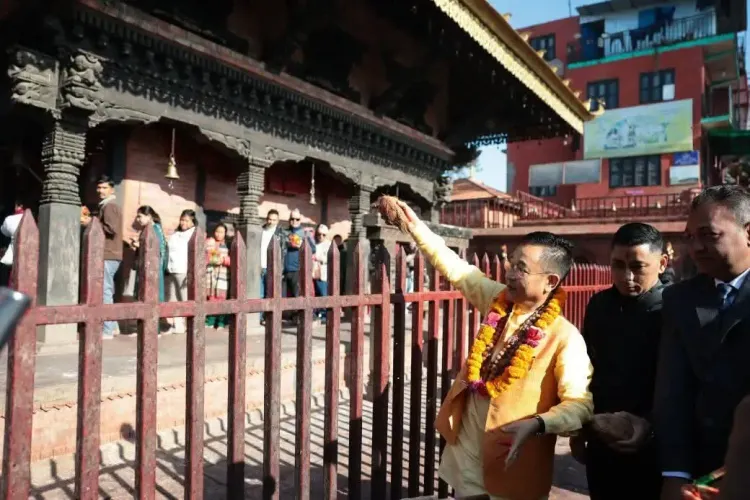
Gangtok, Jan 9 (NationPress) Sikkim Chief Minister Prem Singh Tamang revealed insights into his recent visit to the esteemed Manakamana Temple located in Nepal. He described the pilgrimage as a spiritually enriching journey, dedicated to praying for the welfare of the populace and the advancement of both the state and the nation.
In a social media update, the Chief Minister expressed his feelings of blessedness for the chance to visit the sacred site devoted to Goddess Bhagwati.
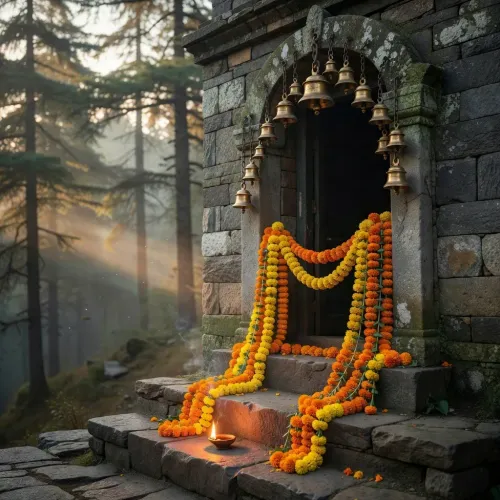
Situated on a hill at a significant elevation, he pointed out that the temple provides not just profound spiritual comfort but also a tranquil and magnificent environment that elevates both mind and spirit.
"The peaceful atmosphere of the temple inspires a deep sense of inner tranquility, joy, harmony, and fulfillment," CM Tamang stated, noting that the experience left him spiritually revitalized.
Throughout his pilgrimage, the Chief Minister prayed with humility and devotion for the well-being, happiness, and prosperity of the Sikkim populace.
He also sought blessings for the upliftment of the underprivileged, the ill, and the marginalized sectors of society, alongside calling for peace, growth, and progress for both the state and the nation.
Emphasizing the timeless Indian philosophy of "Vasudhaiva Kutumbakam"—the belief that the world is a single family—he extended his prayers beyond geographical boundaries, advocating for universal peace, harmony, and well-being for all.
He highlighted that such spiritual journeys reinforce the principles of compassion, unity, and shared humanity.
CM Tamang expressed his heartfelt thanks to everyone who supported and assisted him during this sacred pilgrimage, acknowledging the dedication of all involved in making the journey possible, stating that their kindness and efforts would be cherished and remembered.
The Chief Minister's visit to Manakamana Temple arrives at a time when he has consistently emphasized the significance of spiritual values, cultural heritage, and inclusive development in shaping effective governance and public life.
He has often asserted that faith and tradition are crucial in fostering social harmony and nurturing a sense of collective responsibility among individuals.
Point of View
The visit by Sikkim's Chief Minister to the Manakamana Temple underscores the vital role spirituality plays in governance. It reflects a commitment to cultural heritage and social responsibility, resonating with citizens beyond Sikkim's borders. This approach is essential in fostering unity and compassion in today's diverse society.
NationPress
20 Oct 2026
Frequently Asked Questions
What is the significance of the Manakamana Temple?
The Manakamana Temple is a revered site dedicated to Goddess Bhagwati, attracting pilgrims seeking blessings for health, happiness, and prosperity.
Why did Sikkim CM Prem Singh Tamang visit the temple?
He visited to pray for the welfare of the people, the progress of Sikkim, and to promote universal peace and harmony.
What philosophy did CM Tamang emphasize during his visit?
He highlighted the Indian philosophy of 'Vasudhaiva Kutumbakam', promoting the idea that the world is one family.
How does spirituality influence governance according to CM Tamang?
He believes that spirituality enriches governance by reinforcing values of compassion, unity, and shared responsibility among citizens.
What was the overall message from CM Tamang's pilgrimage?
The pilgrimage served as a reminder of the importance of faith and tradition in strengthening social harmony and collective responsibility.