Science Minister Dr. Jitendra Singh backs Vikram-1 mission
Synopsis
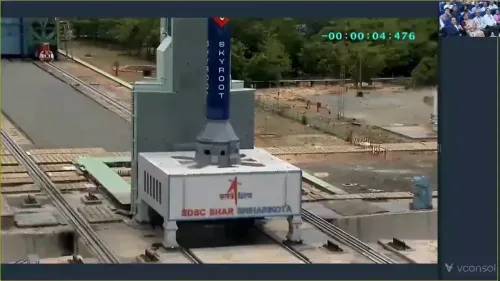
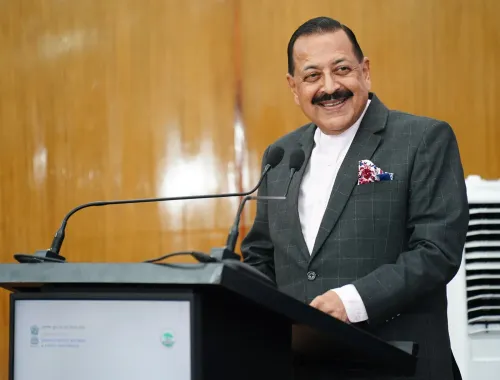
Union Science and Technology Minister Dr. Jitendra Singh publicly backed Skyroot Aerospace's Vikram-1 rocket on 18 July 2026, posting #IndiaWithVikram1 on X — a terse but weighty signal of government solidarity with India's first privately built orbital launch vehicle.
Key Takeaways
Jitendra Singh , Union Minister of State (Independent Charge) for Science and Technology, posted #IndiaWithVikram1 on 18 July 2026 .
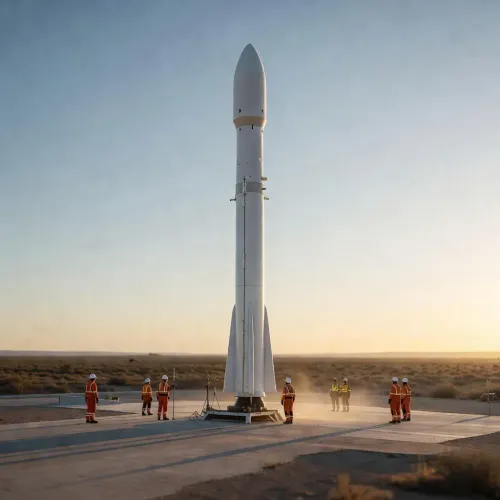
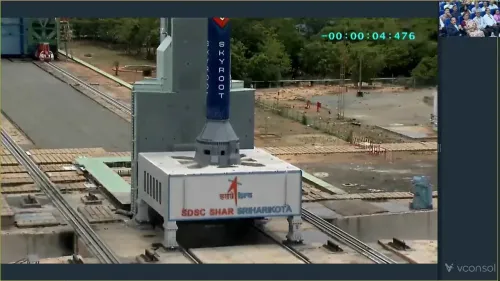
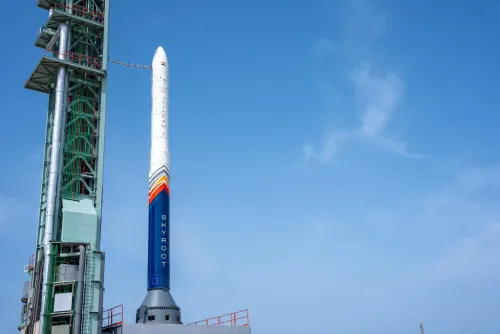
Vikram-1 is developed by Skyroot Aerospace and is India's first privately built orbital launch vehicle.
The government opened the space sector to private players in June 2020 and created IN-SPACe to authorise non-government launches.
Chandrayaan-3's lunar south pole landing in August 2023 boosted confidence in India's indigenous space technologies.
A successful Vikram-1 flight would give domestic satellite operators an indigenous alternative to foreign commercial launch providers.
The minister's post signals official backing as Skyroot approaches a critical orbital launch milestone.
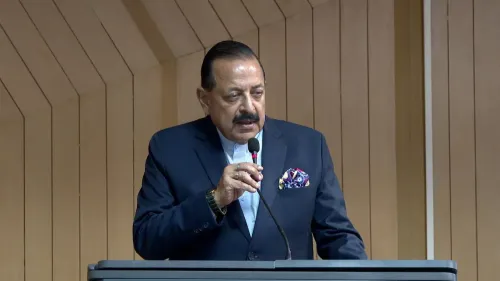
Union Science and Technology Minister Dr. Jitendra Singh on Saturday, 18 July 2026 expressed public support for India's private space launch effort, posting the hashtag #IndiaWithVikram1 on X, signalling the government's solidarity with Skyroot Aerospace's Vikram-1 rocket programme.
Context
Vikram-1 is India's first privately developed orbital launch vehicle, built by Hyderabad-based start-up Skyroot Aerospace. The rocket is named in tribute to Dr. Vikram Sarabhai, the founding father of India's space programme. A minister of Dr. Jitendra Singh's rank publicly amplifying the mission underscores how far private space ventures have moved from the fringes to the mainstream of national policy.
Dr. Singh oversees both the Department of Science and Technology and the Department of Space's policy environment in his capacity as Minister of State (Independent Charge). His post, though terse, carries institutional weight given his direct supervisory role over space sector governance.
Policy Backdrop
The government's pivot toward private spaceflight traces back to June 2020, when Cabinet reforms opened the sector to non-government players and established IN-SPACe — the Indian National Space Promotion and Authorisation Centre — as the nodal body for licensing and supporting private launches. That structural shift made ventures like Skyroot legally and operationally viable.
The momentum was further boosted by Chandrayaan-3's successful soft landing near the lunar south pole in August 2023, which demonstrated India's indigenous landing and propulsion capabilities and generated fresh investor and public confidence in the broader space ecosystem. The Atmanirbhar Bharat framework has since positioned a domestic space economy as a strategic priority, with ISRO retaining its role in heavy-lift and deep-space missions while private firms tackle smaller, faster launch cycles.
Stakeholders and Impact
A successful Vikram-1 orbital mission would validate the commercial small-satellite launch market for Indian start-ups, offering domestic operators an alternative to foreign providers such as SpaceX and Rocket Lab. Satellite operators, defence-adjacent earth-observation firms, and academic institutions with small payloads all stand to benefit from a reliable, cost-competitive indigenous vehicle.
ISRO engineers and the wider IN-SPACe ecosystem — including ancillary component manufacturers and test-range operators — also have a stake in Vikram-1's success, as a positive outcome would catalyse further private investment and talent into the sector. The hashtag campaign suggests a coordinated public-support effort, with the minister lending official credibility to that push.
What's Next
All eyes are on Skyroot Aerospace's launch timeline for Vikram-1's orbital attempt, with industry watchers tracking any fresh authorisation or funding windows that IN-SPACe or the Department of Space may announce in the coming parliamentary session. A successful flight would mark a historic first for India's private space industry and could accelerate the government's broader goal of capturing a significant share of the global commercial launch market by the end of the decade.
Point of View
Lending ministerial credibility to a private space mission at a moment when Skyroot Aerospace needs both public confidence and regulatory goodwill. It fits a consistent pattern in which the government uses high-visibility endorsements — rather than just policy instruments — to de-risk private sector ventures in strategic sectors. The move also reinforces the Atmanirbhar Bharat narrative by framing a start-up rocket as a national endeavour. Whether it translates into tangible support such as launch-window prioritisation or IN-SPACe fast-tracking will be the real test of intent.
NationPress
17 Oct 2026
Frequently Asked Questions
What is Vikram-1 and who is building it?
Vikram-1 is India's first privately developed orbital launch vehicle, built by Hyderabad-based start-up Skyroot Aerospace and named after space pioneer Dr. Vikram Sarabhai.
Why did Dr. Jitendra Singh post #IndiaWithVikram1?
Dr. Jitendra Singh posted the hashtag on 18 July 2026 to express public government support for Skyroot Aerospace's Vikram-1 rocket mission, signalling official solidarity with India's private space sector.
What is IN-SPACe and what role does it play?
IN-SPACe, the Indian National Space Promotion and Authorisation Centre, was created in 2020 to regulate and support private sector participation in India's space activities, including authorising non-government launches.
How does Vikram-1 relate to Chandrayaan-3's Vikram lander?
Both are named after Dr. Vikram Sarabhai. Chandrayaan-3's Vikram lander successfully touched down on the lunar south pole in August 2023, while Vikram-1 is a separate private orbital rocket by Skyroot Aerospace.
What would a successful Vikram-1 launch mean for India?
A successful orbital flight would make Vikram-1 India's first privately launched orbital rocket, opening a domestic commercial launch market and reducing dependence on foreign providers for small-satellite missions.