Are Political Narratives Linking SIR to NRC Causing Alarm Among the Matua Community in West Bengal?
Synopsis
The connection drawn between SIR and NRC by West Bengal’s Chief Minister has instigated fears among the Matua community, who worry about losing their voting rights and facing detention. This ongoing political narrative raises pressing questions about the future of undocumented individuals as elections approach.
Key Takeaways
Concerns over disenfranchisement among the Matua community due to SIR.
Fear of detention camps linked to inadequate documentation.
Citizenship Amendment Act (CAA) viewed as a potential solution but with risks.
Political narratives are shaping community sentiments.
Upcoming elections may further complicate the situation.
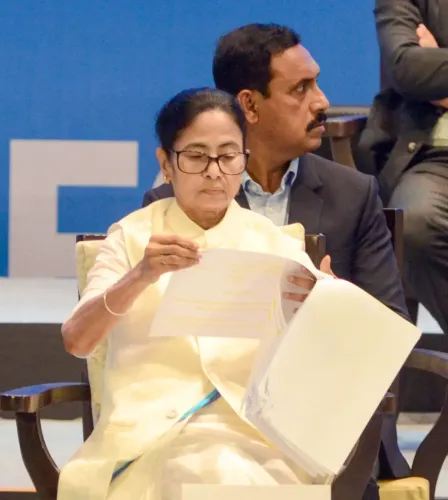
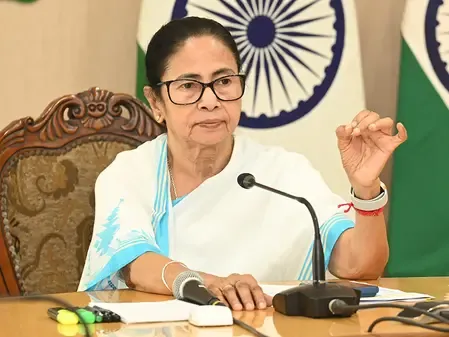
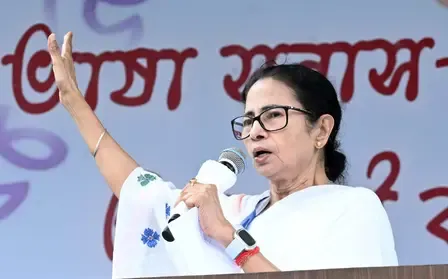
New Delhi, Nov 5 (NationPress) During a rally held by West Bengal’s ruling Trinamool Congress opposing the Election Commission’s Special Intensive Revision (SIR) of the voter list, Chief Minister Mamata Banerjee drew parallels between this initiative and the National Register of Citizens (NRC).
In her address, she primarily claimed that SIR would disenfranchise around two crore voters in the state, raising concerns that many could find themselves in detention camps—an assertion that sparked significant surprise.
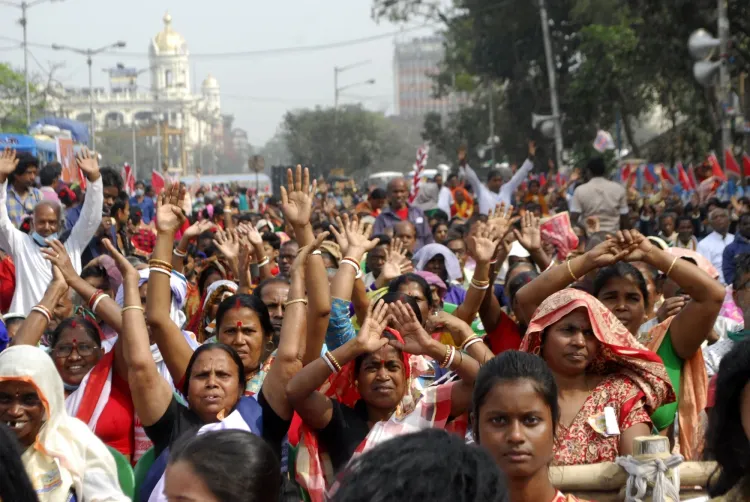
This concern particularly resonates with the Matua community, a substantial voter base that fears being uprooted from a secure environment where they sought refuge after escaping religious persecution in East Pakistan, which has persisted in Bangladesh.
The Matuas, who are part of the Namashudras and make up over 17 percent of the Scheduled Castes (SC) in West Bengal, have an estimated population of three crore. While some have received citizenship—represented by a Union Minister of State, a state minister, and a Rajya Sabha member—most remain in limbo due to inadequate documentation.
Their apprehensions were intensified by the implementation of NRC in neighboring Assam, where numerous Hindus found themselves in detention camps, awaiting deportation due to incomplete papers.
The political discourse around such measures—depicted as either remedial actions, security protocols, or exclusionary tactics—has exacerbated the fears stemming from uncertainty, particularly for the Matuas.
In West Bengal, this community holds sway in multiple constituencies within districts like North 24-Parganas and adjacent Nadia.
In roughly 17 constituencies, the Matuas comprise about 45 percent of the electorate, with ten seats in North 24-Parganas and seven in Nadia, aligning with the Bongaon and Ranaghat Lok Sabha constituencies.
Historically, the Matuas have been supporters of the ruling Trinamool party in West Bengal. However, following a more aggressive campaign from the Bharatiya Janata Party (BJP) and the passing of their matriarch, a faction of the community has shifted their support, anticipating that the Citizenship Amendment Act (CAA) might serve their interests.
The BJP made significant gains in the 2019 Assembly elections in Matua-centric areas, yet the resurgence of the NRC debate has led to a decline in their votes in Lok Sabha seats influenced by the Matua community.
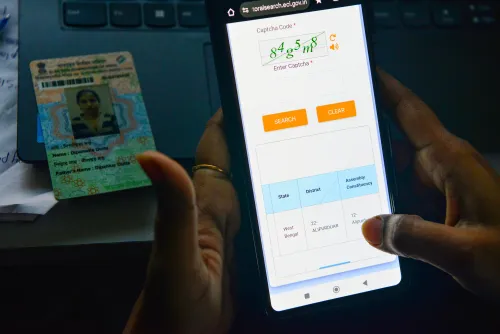
Currently, narratives intertwining SIR with NRC have resulted in reports of rising “suspicion, panic, and anger” on the ground, as SIR demands proof from many, placing those not listed on the 2002 roster at risk.
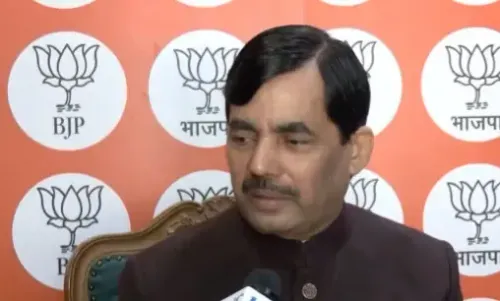
Although most Matuas possess Aadhaar and voter ID cards, they fear these may become “irrelevant” during the SIR process. To ease these concerns, Union Minister of State Shantanu Thakur, a member of the community, has vowed to assist any Matua lacking valid documents in obtaining citizenship via CAA.
This presents a double-edged sword. While lacking appropriate documentation may strip them of voting rights during SIR, applying for CAA could categorize them as immigrants, jeopardizing not only their adult suffrage but also access to several benefits linked to Aadhaar, ration cards, etc.
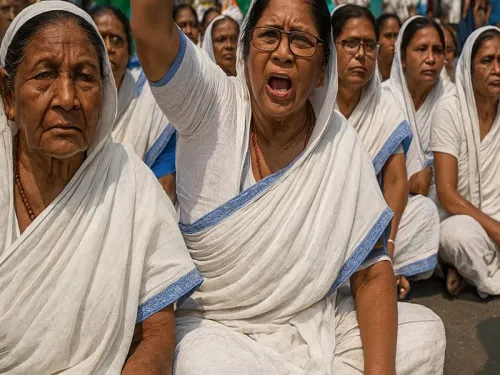
Meanwhile, Shantanu's aunt, Mamata Thakur—a Rajya Sabha MP representing the Trinamool—has instigated protests against SIR, with her supporters initiating an indefinite fast on Wednesday.
On the previous day, a new faction arose within the community, as Shantanu's brother and BJP MLA Subrata Thakur from Gaighata introduced a third Matua organization, seemingly aiming to carve out his own identity separate from his brother.
As West Bengal gears up for elections in the first half of 2026, SIR is poised to remain a critical electoral issue, at least until the final revised list is released—similar to the situation in Bihar. Until then, the echoes of concern will continue to reverberate within the Matua community, where countless individuals remain undocumented.
Point of View
The intertwining of SIR with NRC highlights the urgent need for clarity and communication from political leaders. Ensuring that all communities, especially marginalized ones like the Matuas, are informed and included in the democratic process is crucial for maintaining trust and stability within the region.
NationPress
19 Sept 2026
Frequently Asked Questions
What are the main concerns of the Matua community regarding SIR?
The Matua community fears that SIR could disenfranchise them, leading to many being placed in detention camps due to inadequate documentation.
How does the SIR process relate to the NRC?
SIR is seen by some as a step towards a process similar to the NRC, which has previously led to disenfranchisement and detention of individuals in Assam.
What is the role of the CAA in this context?
The Citizenship Amendment Act (CAA) is viewed by some in the Matua community as a potential pathway to citizenship, but applying for it may also identify them as immigrants, complicating their status.
What impact do political narratives have on the Matua community?
Political narratives linking SIR to NRC have heightened feelings of suspicion and panic within the Matua community, leading to significant anxiety about their future rights.
Who are the key political figures involved?
Key figures include Chief Minister Mamata Banerjee and Union Minister Shantanu Thakur, along with Mamata Thakur, who are all influencing the community's response to SIR.