SIR row: CM Yogi backs electoral roll revision, calls it vital for India's unity
Synopsis
As opposition parties take to the streets over the Election Commission's Special Intensive Revision of voter rolls — alleging partisan motives — UP Chief Minister Yogi Adityanath has come out firmly in support, framing the exercise as a national security and integrity imperative. With the Supreme Court set to hear petitions on Monday, the row is simultaneously a political battle and a constitutional stress-test.
Key Takeaways
UP CM Yogi Adityanath backed the Special Intensive Revision (SIR) of electoral rolls on 5 October 2026 , calling it essential for India's security, unity and integrity.
In a post on X , Yogi urged removal of deceased, duplicate and illegally entered voter names in accordance with rules.
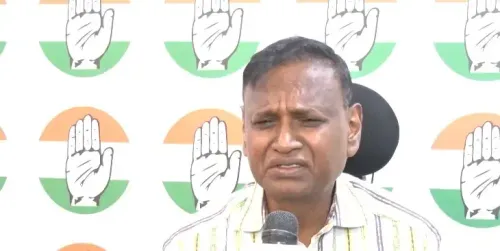
The Congress and other opposition parties held protests across India, including at Jantar Mantar, New Delhi , alleging the SIR could benefit the BJP .
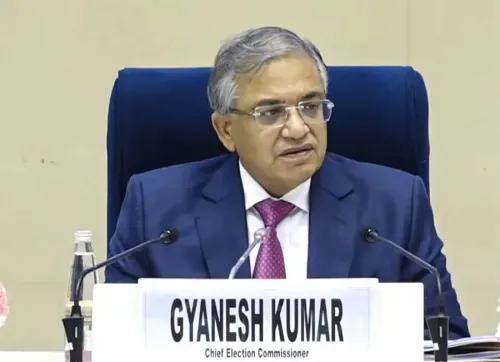
Opposition parties have demanded that CEC Gyanesh Kumar withdraw the SIR exercise, accusing him of compromising electoral fairness.
The Supreme Court is scheduled to hear two writ petitions on Monday challenging decisions taken during the SIR process.
CM Yogi appealed to all citizens who have turned 18 to register on the electoral rolls.
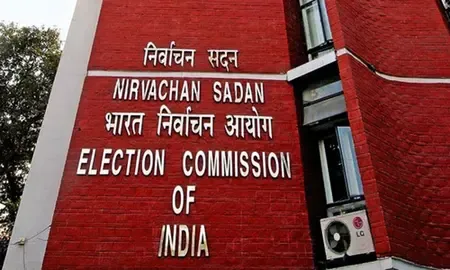
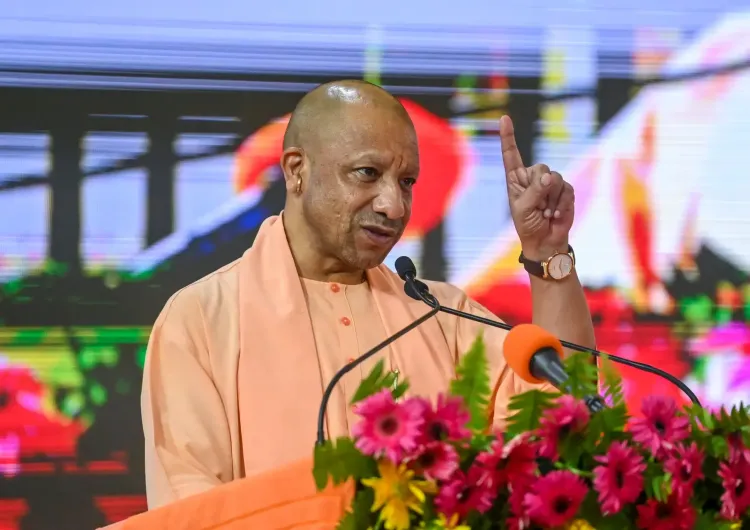
Uttar Pradesh Chief Minister Yogi Adityanath on Monday, 5 October 2026, threw his weight behind the Election Commission of India's Special Intensive Revision (SIR) of electoral rolls, asserting that removing ineligible names from voter lists is essential for India's security, unity and integrity. His remarks came as opposition parties escalated nationwide protests against Chief Election Commissioner (CEC) Gyanesh Kumar over the exercise.
What CM Yogi Said
In a post on social media platform X, CM Yogi described the SIR as a 'vital effort to further strengthen India's democratic heritage.' He stated: 'The systematic verification of deceased, permanently shifted and duplicate entries is essential.'
He went further, saying: 'All conscious voters should note that identifying and removing ineligible names illegally entered in the voter list, in accordance with the rules, is imperative for India's security, unity and integrity.' The Chief Minister also made a pointed appeal to first-time voters, urging every young person who has completed 18 years of age to register on the electoral rolls. 'Let us become partners in building a pure, empowered and transparent voter list,' he said.
Opposition's Allegations and Protests
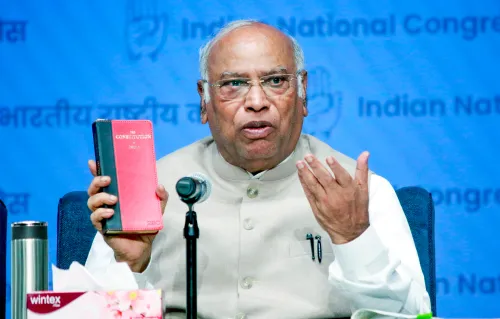
The SIR exercise has triggered sharp pushback from the Indian National Congress (Congress) and other opposition parties, who staged coordinated protests across the country, including at Jantar Mantar in New Delhi on Sunday. The opposition has alleged that the Election Commission is deploying the SIR process to selectively exclude voters in a manner that could benefit the Bharatiya Janata Party (BJP). They have also accused CEC Gyanesh Kumar of compromising the fairness of the electoral process and demanded the exercise be withdrawn. The ruling party has rejected these allegations outright.
Supreme Court to Hear Petitions
The controversy has now reached the country's highest court. The Supreme Court is scheduled to hear two writ petitions on Monday challenging decisions linked to the SIR process. The petitions reportedly question decisions allegedly taken without the concurrence of the other two Election Commissioners, raising procedural concerns about how the revision was authorised. This adds a significant legal dimension to what has already become a charged political dispute.
Why It Matters
The SIR row arrives at a politically sensitive moment, with several state assembly elections on the horizon. Electoral roll accuracy has long been a contested issue in Indian democracy — both over-inclusion (ghost or duplicate voters) and exclusion of legitimate voters have been documented in past revisions. Critics argue that large-scale deletions, even if technically lawful, risk disenfranchising marginalised communities who may lack the documentation to contest their removal. Proponents, including CM Yogi, counter that an accurate voter list is a non-negotiable foundation of free and fair elections. Notably, this is not the first time a voter-list exercise has become a flashpoint between the ruling party and opposition — similar disputes arose during delimitation exercises and earlier revision drives.
What Happens Next
The Supreme Court hearing on Monday is expected to set the immediate trajectory of the controversy. If the court issues directions or a stay on any aspect of the SIR, it could significantly alter the Election Commission's timeline. The political confrontation is unlikely to abate before then, with both sides framing the debate as a question of democratic legitimacy.
Point of View
Regardless of procedural merit. What is striking here is the speed with which a technical exercise — removing deceased and duplicate entries — has escalated into Supreme Court petitions and street protests. CM Yogi's intervention, framed in the language of national security rather than electoral administration, raises the political stakes considerably. The real accountability question is whether the Election Commission has followed its own procedural safeguards, particularly the concurrence requirement for Commissioners — a point the Supreme Court is now being asked to scrutinise. Until that is resolved, the legitimacy of the entire SIR exercise will remain under a cloud.
NationPress
5 Oct 2026
Frequently Asked Questions
What is the Special Intensive Revision (SIR) of electoral rolls?
The Special Intensive Revision (SIR) is an exercise conducted by the Election Commission of India to verify and update voter lists by removing entries for deceased, permanently relocated and duplicate voters. The current SIR round has become controversial, with opposition parties alleging it could be used to selectively exclude legitimate voters.
Why is CM Yogi Adityanath supporting the SIR?
UP Chief Minister Yogi Adityanath has described the SIR as essential for India's security, unity and integrity, arguing that removing ineligible voter entries is a necessary step to uphold democratic values. He posted his support on social media platform X on 5 October 2026.
What are the opposition's objections to the SIR?
The Congress and other opposition parties allege that the Election Commission is using the SIR process to exclude voters in a way that could benefit the BJP. They have also accused CEC Gyanesh Kumar of compromising the fairness of the electoral process and have demanded the exercise be withdrawn.
What is the Supreme Court's role in the SIR row?
The Supreme Court is scheduled to hear two writ petitions on Monday challenging decisions linked to the SIR process. The petitions reportedly question whether key decisions were taken without the concurrence of all three Election Commissioners, raising procedural concerns.
How does this controversy affect ordinary voters?
Citizens, particularly those whose names may be flagged for removal, could be disenfranchised if the process is not conducted with adequate safeguards. First-time voters aged 18 and above have been specifically urged by CM Yogi to register on the rolls to ensure they are included.