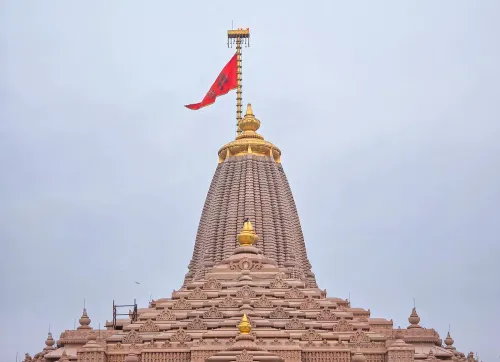
Ram Janmabhoomi donation probe: SIT questions 42, reviews CCTV in Ayodhya
Synopsis
A government-appointed SIT questioned 42 people — including Trust officials, bank staff, and sevadars — and reviewed CCTV footage of donation boxes at the Ram Mandir in Ayodhya for nearly eight hours on 16 June. The team, reportedly dissatisfied with what it found, stayed overnight to continue the probe, raising serious questions about financial oversight at one of India's most-watched religious sites.
Key Takeaways
The UP government SIT conducted a marathon inspection at the Ram Janmabhoomi complex in Ayodhya on 16 June , from 2:50 pm to 10:30 pm .
Investigators questioned nearly 42 individuals , including Shree Ram Teerth Kshetra Trust officials, bank employees, and sevadars.
A special invitee member of the Trust was interrogated for more than two hours ; documents from 2021 onwards were examined.
The SIT reportedly expressed dissatisfaction after uncovering irregularities; no arrests have been confirmed.
The three-member team is headed by Lucknow Divisional Commissioner Vijay Vishwas Pant and stayed overnight in Ayodhya for further investigation.
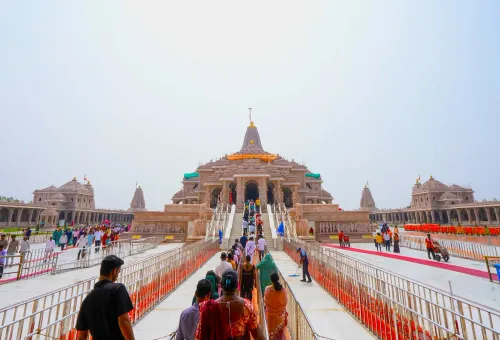
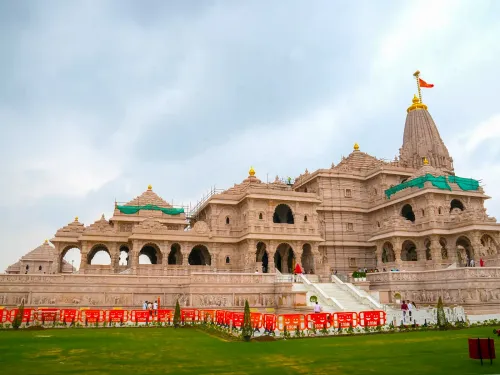
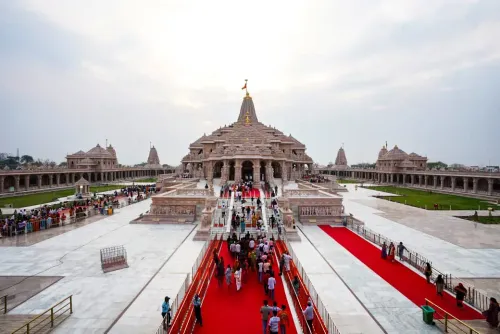
A Special Investigation Team (SIT) constituted by the Uttar Pradesh government conducted an intensive, hours-long inspection at the Ram Janmabhoomi complex in Ayodhya on 16 June, probing alleged embezzlement of donations collected at the Ram Mandir. The team arrived at 2:50 pm and remained on-site until 10:30 pm, reviewing CCTV footage of all donation boxes and scrutinising the cash-removal and counting process.
Key Developments in the Probe
Over the course of the day, investigators questioned nearly 42 individuals — including officials of the Shree Ram Teerth Kshetra Trust, bank employees, and a large number of sevadars (temple volunteers). A special invitee member of the Trust was interrogated for more than two hours. Officials also examined documents dating back to 2021 to establish a clear chain of financial accountability, in line with directives issued by the Chief Minister.
Sources indicated that the SIT expressed dissatisfaction after uncovering several irregularities during its inspection. No arrests have been confirmed as of this report.
Who Is Leading the Investigation
The three-member SIT is headed by Lucknow Divisional Commissioner Vijay Vishwas Pant, a 2004-batch IAS officer. The team also includes Lucknow Range Inspector General Kiran S, a 2008-batch IPS officer with prior experience at the CBI and Interpol, and Neelratan Kumar, Special Secretary in the Finance Department with over 36 years of service. The SIT decided to stay overnight in Ayodhya, with further interrogation and a fresh inspection of the complex scheduled for the following morning.
How the Probe Was Triggered
The SIT was formed at the request of the Shree Ram Teerth Kshetra Trust itself, which sought an impartial inquiry amid mounting concerns over financial irregularities. According to the state government, the Trust wanted to establish facts and counter what it described as misinformation and attempts to tarnish the image of the Ram Temple. Notably, the Trust had already initiated an internal inquiry the previous week, questioning suspects and attempting recovery of funds with informal assistance from local police.
Impact and Oversight Implications
The investigation has drawn widespread attention given the immense religious and cultural significance of the Ram Mandir, which millions of devotees across India regard as a sacred symbol. Allegations of pilferage of donations have sparked serious concern among the public and religious communities alike. Beyond the financial audit, officials arriving in Ayodhya also worked to redefine the roles and responsibilities of Trust office-bearers — signalling that administrative reforms may accompany any legal action.
This comes amid broader scrutiny of large religious trusts in India, where donation management at high-footfall temples has repeatedly drawn questions about transparency and accountability. With the SIT probe now in full swing, its findings are expected to have far-reaching implications for the Trust's functioning and the government's oversight of one of the country's most prominent religious sites.
Point of View
But also underscores how far internal controls had already broken down. The fact that the Trust ran an informal internal inquiry — with local police assistance — before escalating to a government SIT raises questions about what was found, and what may have been lost, in that interim. Large temple trusts in India manage donation flows that rival mid-sized corporate treasuries, yet oversight frameworks remain thin. The Ayodhya case could set a precedent for how the state intervenes in religious financial management — or, if findings are buried, reinforce the perception that accountability stops at the temple gate.
NationPress
14 Sept 2026
Frequently Asked Questions
What is the SIT investigating at the Ram Mandir in Ayodhya?
The SIT is probing alleged embezzlement and misappropriation of donations collected at the Ram Janmabhoomi complex in Ayodhya. The probe was initiated at the request of the Shree Ram Teerth Kshetra Trust, which sought an impartial inquiry into financial irregularities flagged at the temple.
Who is leading the SIT probe into Ram Mandir donation irregularities?
The three-member SIT is headed by Lucknow Divisional Commissioner Vijay Vishwas Pant, a 2004-batch IAS officer. It also includes Lucknow Range IG Kiran S, a 2008-batch IPS officer with CBI and Interpol experience, and Neelratan Kumar, Special Secretary in the Finance Department with over 36 years of service.
How many people were questioned by the SIT on 16 June?
The SIT questioned nearly 42 individuals on 16 June, including Ram Mandir Trust officials, bank employees, and sevadars (temple volunteers). A special invitee member of the Trust was interrogated for more than two hours.
Have any arrests been made in the Ram Janmabhoomi donation case?
No arrests have been confirmed as of 16 June. The SIT is working with the Ram Mandir Trust and the district administration to reconstruct the financial and administrative trail before any formal action is taken.
Why did the Shree Ram Teerth Kshetra Trust request an SIT inquiry?
The Trust sought an impartial government inquiry to establish facts and counter what it described as misinformation and attempts to tarnish the image of the Ram Temple. It had already conducted an internal inquiry the previous week before formally requesting state intervention.