India among world's fastest-growing economies, 7% GDP growth on track: FM Sitharaman
Synopsis
At a summit chaired by French President Macron and attended by G7 leaders, IMF, and major emerging economies, Finance Minister Nirmala Sitharaman projected India's GDP growth at around 7% over the medium term — and made a pointed case that developing nations should not bear the adjustment costs of global imbalances they did not create.
Key Takeaways
Finance Minister Nirmala Sitharaman confirmed India's GDP growth is projected at around 7 per cent over the medium term.
She spoke at the Global Convergence for Growth Summit on 11 June , presided over by French President Emmanuel Macron with participation from all G7 nations , India, Brazil, China, Kenya, South Korea, and the IMF .
India's growth is described as primarily domestic-demand led , with a largely market-determined exchange rate.
Sitharaman called for bigger, more representative Multilateral Development Banks capable of delivering greater financing to developing economies.
She stressed that the burden of global imbalance adjustments must not fall on nations — like India — that are peripheral to their origination .
She flagged the need for resilient supply chains for critical minerals, including through circularity, recycling, and urban mining.
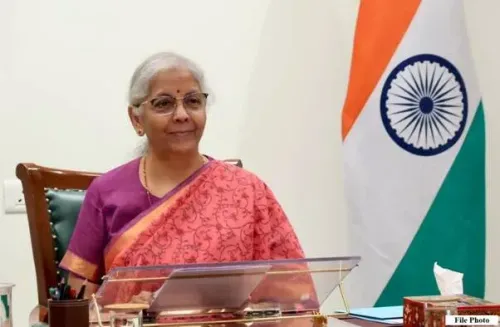
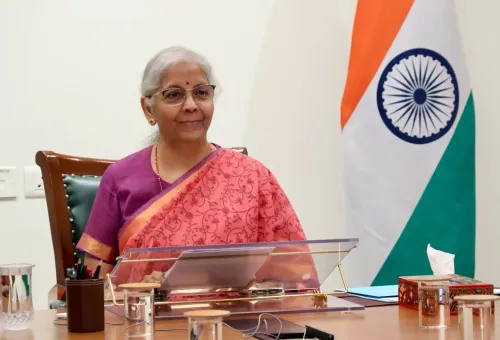
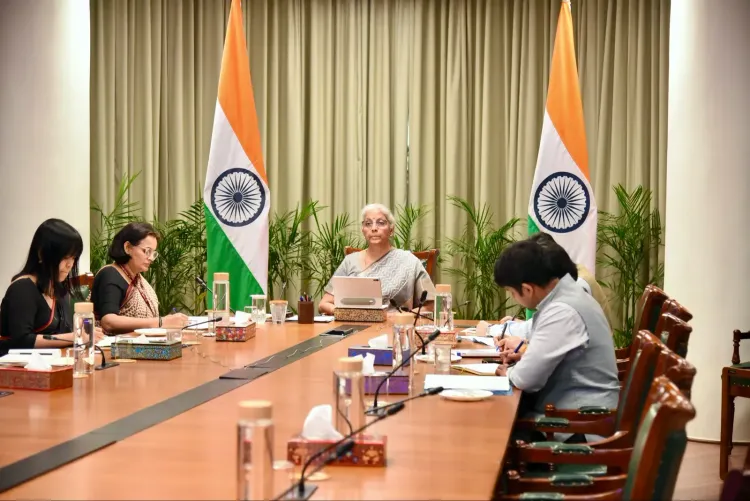
Finance Minister Nirmala Sitharaman on Thursday, 11 June affirmed that India remains among the world's fastest-growing major economies, with GDP growth projected to hold steady at around 7 per cent over the medium term. She made the remarks while participating virtually in the Global Convergence for Growth Summit from New Delhi, an event convened to align advanced and emerging economies on a shared growth framework.
India's Growth Drivers
Sitharaman underscored that India's economic momentum is primarily domestic-demand led, supported by a largely market-determined exchange rate. She attributed the country's progress to the policy direction anchored in the mantra of 'Reform, Perform, and Transform' — a framework that has guided economic policymaking under the current administration. Notably, India's sustained near-7% growth trajectory stands out in a global environment marked by slowing demand and geopolitical disruption.
Call for Coordinated Global Action
Addressing the interconnected nature of today's global economy, Sitharaman warned that the consequences of conflicts and economic uncertainty fall disproportionately on developing countries and the Global South. 'The situation demands coordinated global action. We must strengthen multilateral cooperation to build resilient economies, accelerate sustainable development, and ensure inclusive growth that benefits all,' she said.
On Global Imbalances and the Global South
The Finance Minister drew a pointed distinction on the question of global imbalances, arguing that not all imbalances stem from the same causes. 'Not all imbalances are alike — some reflect differences in demographics, development stages, resource endowments, or economic structures,' she said, calling for focus on excessive and persistent imbalances while acknowledging that domestic needs vary significantly across nations.
Speaking on behalf of developing economies, she stressed that the burden of adjustment must not fall on countries that did not cause these imbalances. 'India, like many developing economies, remains largely peripheral to both the origination and propagation of global imbalances; yet, we continue to face their spillover effects,' she stated.
Multilateral Institutions and Supply Chain Resilience
Sitharaman called for Multilateral Development Banks (MDBs) that are bigger, more effective, and more representative — institutions capable of delivering significantly greater financing to developing and emerging economies. She emphasised that enhancing MDB financing capacity, operational agility, and responsiveness would be critical going forward.
She also highlighted the urgency of building resilient, diversified, and geographically distributed supply chains, particularly for critical minerals. Circularity, recycling, and urban mining, she argued, could collectively address some of the sourcing challenges facing the global economy.
Summit Context
The Global Convergence for Growth Summit was presided over by French President Emmanuel Macron and brought together top leadership from all G7 nations, along with India, Brazil, China, Kenya, South Korea, and the International Monetary Fund (IMF). India's participation signals its continued relevance as both a growth engine and a voice for the developing world in multilateral forums. With global trade tensions unresolved and recession risks lingering in advanced economies, Sitharaman's remarks position India as a stabilising force in an otherwise uncertain global outlook.
Point of View
But the medium-term outlook carries real downside risks — from a fragile global trade environment to subdued private investment at home. Her call for MDB reform and supply chain diversification reflects genuine structural concerns, but India has made similar arguments in multilateral forums for years with limited institutional change to show for it. The more pointed message — that developing nations should not absorb the spillover of imbalances they did not create — is a direct, if diplomatically coded, pushback at advanced economies. Whether that translates into concrete reform of global financial architecture, or remains rhetorical positioning, is the question mainstream coverage is not asking.
NationPress
21 Sept 2026
Frequently Asked Questions
What did Finance Minister Nirmala Sitharaman say about India's GDP growth?
Sitharaman stated that India continues to be among the world's fastest-growing major economies, with GDP growth projected to remain robust at around 7 per cent over the medium term. She made the remarks at the Global Convergence for Growth Summit on 11 June.
What is the Global Convergence for Growth Summit?
It is a multilateral summit convened to bring together leaders of advanced and emerging economies to discuss ways of supporting balanced growth within an efficient global framework. French President Emmanuel Macron presided over the event, which included G7 nations, India, Brazil, China, Kenya, South Korea, and the IMF.
What did Sitharaman say about global imbalances and the Global South?
She argued that not all global imbalances are alike and that the burden of adjustment should not fall on countries that did not cause them. India, she said, remains largely peripheral to the origination and propagation of global imbalances yet continues to face their spillover effects.
What reforms did Sitharaman call for in multilateral institutions?
She called for Multilateral Development Banks that are bigger, more effective, and more representative, with enhanced financing capacity and operational agility to better serve developing countries and emerging economies.
Why did Sitharaman highlight critical minerals and supply chains?
She noted that recent global developments have underscored the importance of resilient, diversified, and geographically distributed supply chains — particularly for critical minerals. She said circularity, recycling, and urban mining could help address collective sourcing challenges.