Sitharaman Replies on Appropriation (No. 3) Bill, 2026 in Rajya Sabha

Synopsis
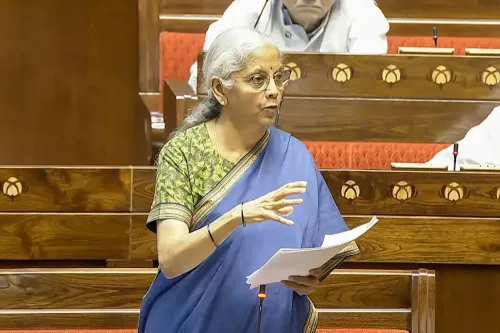
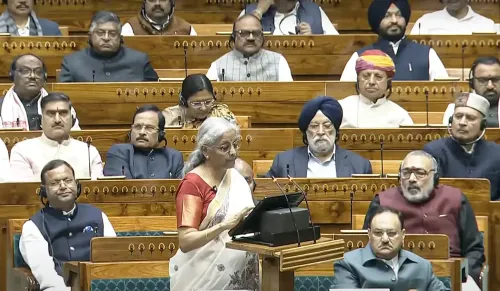
Union Finance Minister Nirmala Sitharaman replied on the Appropriation (No. 3) Bill, 2026 in Rajya Sabha on 6 August 2026. The bill authorises withdrawals from the Consolidated Fund of India under Article 114 of the Constitution. Presidential assent will complete the legislative cycle.
Key Takeaways
Nirmala Sitharaman replied on the Appropriation (No.
3) Bill, 2026 in Rajya Sabha on 6 August 2026 .
Appropriation Bills are constitutionally mandated under Article 114 before any funds can be drawn from the Consolidated Fund of India .
A third Appropriation Bill in a financial year typically covers supplementary or residual expenditure demands.
Rajya Sabha cannot amend or reject a Money Bill but uses the debate to place concerns on record.
Final passage and Presidential assent will complete the legislative authorisation for the expenditure.
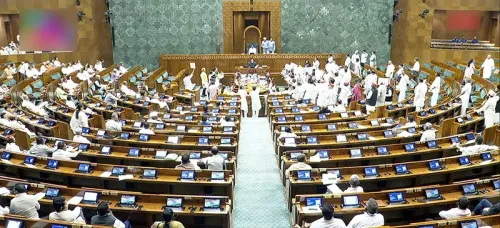
The constitutional machinery of public finance moved through Rajya Sabha on Thursday, 6 August 2026, as Union Finance Minister Nirmala Sitharaman rose to reply on the Appropriation (No. 3) Bill, 2026 — the legislative instrument that formally authorises the government to draw funds from the Consolidated Fund of India.
What the Appropriation (No. 3) Bill actually does
Under Article 114 of the Constitution, no money can leave the Consolidated Fund without Parliament's explicit sanction. Appropriation Bills are the mechanism that provides it — converting Budget allocations into legally authorised expenditure. A third Appropriation Bill in a financial year typically covers supplementary or residual spending demands not addressed by earlier Bills. Sitharaman's reply in the upper house is the Finance Ministry's opportunity to respond to concerns raised by members across parties during the debate — questions on allocations to specific ministries, adequacy of social-sector spending, and fiscal discipline.The Finance Minister's role in the Rajya Sabha debate
Rajya Sabha cannot amend or reject an Appropriation Bill — it is a Money Bill — but the debate gives the upper house a platform to place concerns on record, and the Finance Minister's reply is the government's formal response to that scrutiny. Sitharaman, who has presented every Union Budget since 2019, is well-versed in defending the government's expenditure logic before Parliament. The bill's final passage in Rajya Sabha and subsequent Presidential assent will complete the legislative cycle, clearing the path for the authorised expenditure to flow.Point of View
2026 sits within the routine but constitutionally critical annual financial cycle — yet the Finance Minister's reply in Rajya Sabha carries political weight beyond procedure. Sitharaman has used such replies to signal the government's spending priorities and rebut opposition critiques of fiscal management. A third Appropriation Bill in a year can invite scrutiny over whether original Budget estimates were realistic, making her reply a barometer of the government's fiscal narrative heading into the second half of the financial year. How the upper house receives her defence will indicate the temperature of the broader Budget debate.
NationPress
6 Aug 2026
Frequently Asked Questions
What is the Appropriation (No. 3) Bill, 2026?
The Appropriation (No. 3) Bill, 2026 is a parliamentary legislation that authorises the government to withdraw funds from the Consolidated Fund of India to meet its expenditure. Under Article 114 of the Constitution, such a bill is mandatory before any money can be spent from the Consolidated Fund.
Why did Nirmala Sitharaman reply in Rajya Sabha on 6 August 2026?
As Union Finance Minister, Nirmala Sitharaman replied to the debate on the Appropriation (No. 3) Bill, 2026 in Rajya Sabha on 6 August 2026 to address concerns raised by members and formally defend the government's expenditure proposals.
Can Rajya Sabha reject an Appropriation Bill?
No. An Appropriation Bill is a Money Bill, which means Rajya Sabha cannot amend or reject it. However, members can debate it and place concerns on record, and the Finance Minister's reply responds to those concerns.
What happens after Rajya Sabha debates the Appropriation Bill?
After Rajya Sabha's consideration, the bill is returned and then sent for Presidential assent, which completes the legislative cycle and authorises the government to draw the approved funds from the Consolidated Fund of India.
Why is a third Appropriation Bill needed in a financial year?
A third Appropriation Bill typically covers supplementary or residual spending demands — expenditure needs that were not fully addressed by the earlier Appropriation Bills passed in the same financial year.