Rahul Gandhi condoles Northeast flood and landslide deaths
Synopsis
Rahul Gandhi expressed grief over landslide and flash flood deaths in Nagaland and Arunachal Pradesh on August 6, 2026, offered condolences to bereaved families, and called on Congress workers to support relief efforts in the disaster-hit northeastern states.
Key Takeaways
Congress leader Rahul Gandhi expressed condolences on August 6, 2026 over deaths caused by landslides and flash floods in Nagaland and Arunachal Pradesh .
Gandhi wished a swift recovery to the injured and urged Indian National Congress workers to support affected communities on the ground.
Both northeastern states face recurring monsoon-season disasters due to steep terrain, heavy rainfall, and dense river networks.
India's disaster response framework, established under the Disaster Management Act of 2005 , coordinates relief through the NDMA and state agencies.
State damage assessments and any central government relief package announcements are still awaited.
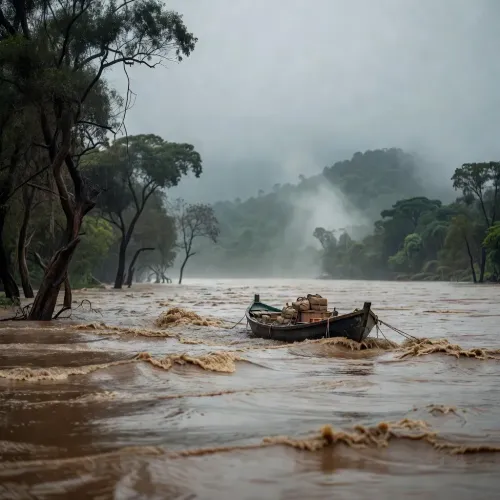
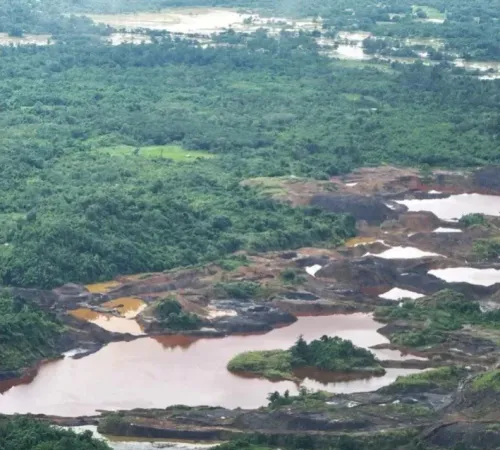
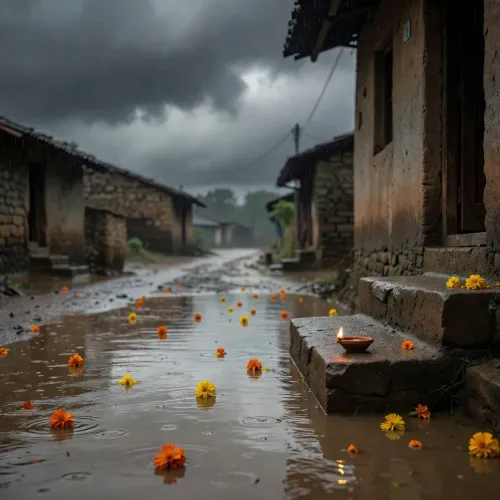
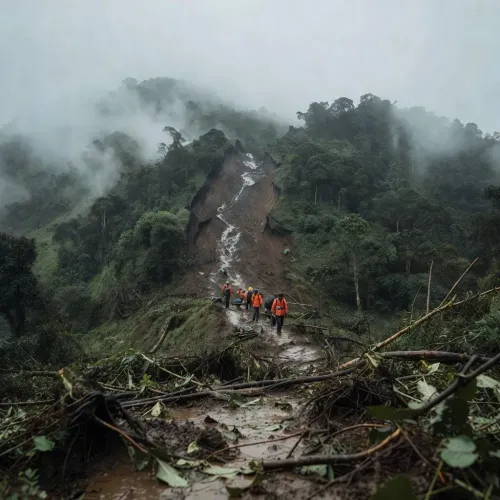
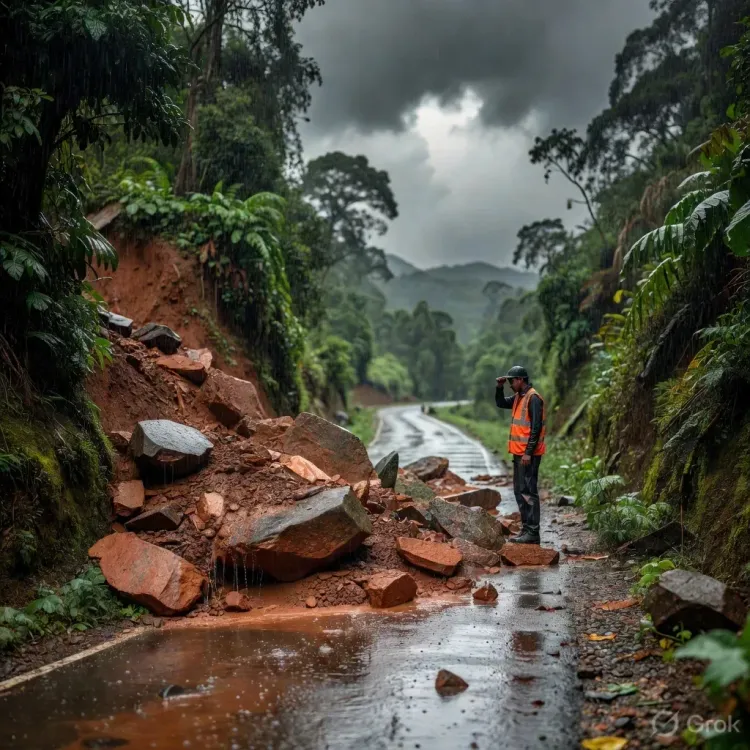
Monsoon fury has once again struck India's northeastern frontier. Congress leader Rahul Gandhi, Leader of the Opposition in the Lok Sabha, expressed deep grief on Thursday, August 6, 2026 over the loss of lives and widespread devastation caused by landslides and flash floods across Nagaland and Arunachal Pradesh.
Gandhi offered 'heartfelt condolences to the bereaved families' and wished 'a swift recovery to the injured,' while also urging Indian National Congress workers to step forward and support affected communities — a call that signals the party intends to be visible on the ground during the relief phase.
Why the Northeast is always in the monsoon's crosshairs
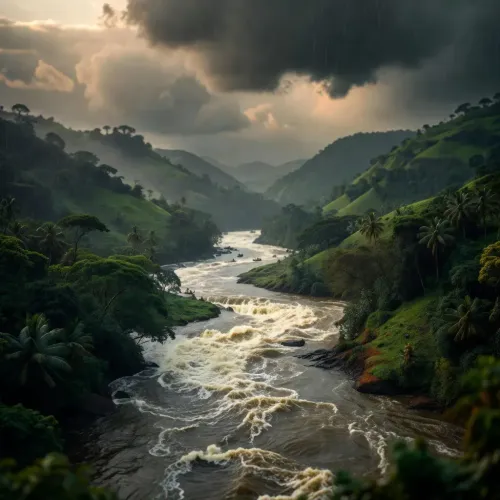
Neither Nagaland nor Arunachal Pradesh is a stranger to this kind of devastation. Both states sit in one of the world's most geologically active and rainfall-intensive zones — steep Himalayan and sub-Himalayan slopes, dense river networks, and monsoon systems that can deliver weeks of rain in hours. The combination is a recurring formula for landslides and flash floods every year between June and September. Arunachal Pradesh, India's northeasternmost state, is particularly vulnerable given its mountainous terrain and the volume of rivers — including the Brahmaputra tributaries — that swell dramatically during the season. Nagaland's hilly landscape similarly channels rainfall into fast-moving streams that can overwhelm villages and roads with little warning.The relief architecture India leans on
When disaster strikes in the Northeast, the first institutional response runs through the framework established by the Disaster Management Act of 2005, which created the National Disaster Management Authority (NDMA) to coordinate central and state-level relief efforts. State disaster response forces, the NDRF, and the Indian Army — which maintains a significant presence in the region — typically form the operational backbone of rescue missions in terrain this difficult. Opposition leaders appealing for party workers to join relief efforts is a well-established pattern in Indian politics, and Gandhi's call follows that tradition — but it also puts pressure on state administrations and the centre to match words with resources. With state government damage assessments still expected and any central relief package yet to be announced, the full scale of this disaster will come into sharper focus in the days ahead. The Northeast's people have weathered this before — but each monsoon season is a reminder that resilience alone is not enough.Point of View
Mobilise party cadre, and implicitly signal the government's accountability for relief delivery. For the Indian National Congress, which has limited electoral presence in both states, the call to workers is as much about party visibility as humanitarian intent. More broadly, recurrent monsoon disasters in the Northeast raise persistent questions about whether India's early-warning infrastructure, slope-stabilisation investments, and inter-agency coordination have kept pace with the region's growing climate vulnerability. The gap between condolence messages and structural disaster-preparedness remains the real policy challenge.
NationPress
6 Aug 2026
Frequently Asked Questions
What natural disasters hit Nagaland and Arunachal Pradesh in August 2026?
Landslides and flash floods caused loss of lives and widespread devastation across both northeastern states, prompting condolences from senior political leaders including Rahul Gandhi.
Why is Northeast India so prone to landslides and flash floods?
The region's steep Himalayan and sub-Himalayan slopes, dense river systems, and intense monsoon rainfall create conditions where landslides and flash floods occur almost every year between June and September.
What did Rahul Gandhi say about the Northeast floods?
Gandhi said he was 'deeply saddened' by the loss of lives, offered condolences to bereaved families, wished a swift recovery to the injured, and urged Congress workers to support relief efforts.
What is India's official framework for disaster relief?
The Disaster Management Act of 2005 established the National Disaster Management Authority (NDMA) , which coordinates central and state-level responses to natural calamities, supported by the NDRF and state disaster response forces.
What happens after a major flood or landslide in Northeast India?
State governments conduct damage assessments, the NDMA and NDRF deploy rescue teams, and the central government may announce relief packages — a process that typically unfolds over several days after the initial disaster.