Sitharaman: UPI stays free, no charges for consumers
Synopsis
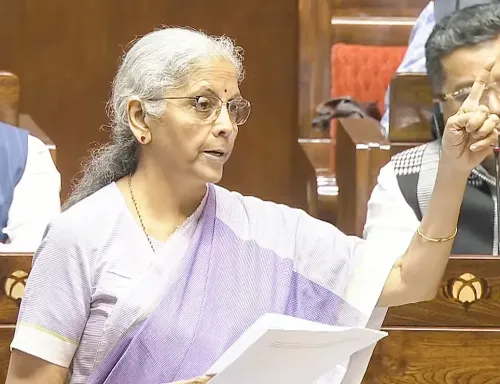
Finance Minister Nirmala Sitharaman told the Rajya Sabha on 10 August 2026 that UPI transactions will remain free for all consumers, reaffirming a policy in place since the platform's 2016 launch and the government's 2019-20 decision to absorb MDR costs.
Key Takeaways
Finance Minister Nirmala Sitharaman stated in the Rajya Sabha on 10 August 2026 that UPI will remain free for consumers.
UPI , operated by NPCI , has charged consumers nothing since its launch in 2016 .
The government absorbed Merchant Discount Rate (MDR) costs on UPI and RuPay transactions in 2019-20 to sustain the zero-charge model.
The statement in Parliament carries binding institutional weight, directly countering recurring speculation about future UPI charges.
India's digital payments ecosystem — built on zero-cost UPI access — serves hundreds of millions of consumers and small merchants.
A rumour that has circulated with stubborn persistence just ran into the Finance Minister on the floor of Parliament. Union Finance Minister Nirmala Sitharaman told the Rajya Sabha on Monday, 10 August 2026, in unambiguous terms: no Indian consumer will ever pay a charge to make a UPI transaction.
Posting from her official handle, the Finance Ministry quoted her statement directly: 'No, consumers will not have to pay any charges on UPI transactions. UPI has remained free for consumers since its launch, and every Indian will continue to make instant digital payments without paying a transaction charge.'
Ten years free — and counting
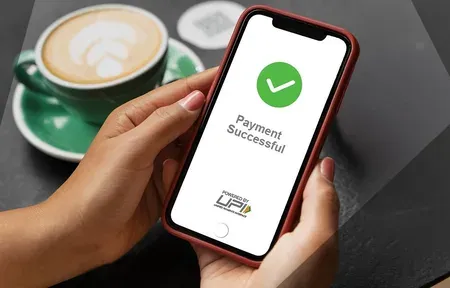
UPI — the Unified Payments Interface built and operated by the National Payments Corporation of India (NPCI) — was launched in 2016 and has never charged the end consumer a rupee. The system enables real-time, inter-bank transfers through a mobile phone, and its zero-cost promise to users has been a cornerstone of its explosive adoption.
The government reinforced that commitment in 2019-20, when it formally decided to absorb the Merchant Discount Rate (MDR) on UPI and RuPay transactions — meaning the cost of processing payments is borne by the system, not passed on to buyers or sellers. That policy has held since, and Sitharaman's statement in the upper house signals no appetite to revisit it.
Why the clarification matters now
Periodic speculation about potential UPI charges — whether from banking-sector voices seeking revenue or viral social-media claims — has repeatedly unsettled consumers and small merchants who have built their daily commerce around the platform. A Finance Minister's on-record denial in Parliament carries the highest possible institutional weight: it is not a press release, it is a parliamentary statement.
India's digital payments story has been one of the more dramatic economic transformations of the past decade. UPI volumes surged after demonetisation in 2016 and again during the COVID-19 pandemic, turning the platform into the backbone of everyday commerce for hundreds of millions of Indians — from metro commuters to village kirana shops.
Sitharaman's clarity in the Rajya Sabha is a signal that the government views free consumer access not as a subsidy to be wound down, but as a structural feature of India's digital economy. The question of how banks and payment processors share the underlying costs of running the network remains open — but that is a back-end conversation the consumer will not be asked to join.
Point of View
Not a temporary subsidy. By making the denial on the record in the Rajya Sabha, the Finance Ministry raises the political cost of any future reversal considerably. The unresolved tension, however, lies in the back-end: banks and payment processors continue to press for MDR-sharing arrangements to fund the network's enormous scale, and that debate will eventually force a policy decision that Parliament, not just social media, will have to own.
NationPress
10 Aug 2026
Frequently Asked Questions
Will UPI transactions become paid or chargeable in India?
No. Finance Minister Nirmala Sitharaman confirmed in the Rajya Sabha on 10 August 2026 that UPI transactions will remain completely free for consumers, as they have been since the platform launched in 2016.
Has UPI always been free for users in India?
Yes. UPI has been free for consumers since NPCI launched it in 2016. The government further cemented this in 2019-20 by deciding to absorb the Merchant Discount Rate on UPI and RuPay transactions.
What is MDR and why does it matter for UPI charges?
MDR, or Merchant Discount Rate, is the fee banks and payment processors charge to process digital transactions. The government decided in 2019-20 to waive MDR on UPI and RuPay, meaning consumers and merchants are not charged — the cost is absorbed by the system.
What did Nirmala Sitharaman say about UPI in Rajya Sabha?
She stated: 'No, consumers will not have to pay any charges on UPI transactions. UPI has remained free for consumers since its launch, and every Indian will continue to make instant digital payments without paying a transaction charge.'
Who runs UPI in India?
UPI is owned and operated by the National Payments Corporation of India (NPCI), the umbrella body for retail payment systems in the country.