Sonam Wangchuk stable at Safdarjung Hospital after 21-day hunger strike
Synopsis
After 21 days on hunger strike over NEET irregularities, Sonam Wangchuk has been hospitalised at Safdarjung Hospital under Delhi High Court orders — weak and dehydrated but stable. With a protest march to Parliament planned for 20 July and the Monsoon Session beginning, the pressure on Education Minister Dharmendra Pradhan is set to escalate.
Key Takeaways
Sonam Wangchuk was admitted to Safdarjung Hospital , New Delhi, on 18 July after 21 days of hunger strike.
Hospital confirmed he is weak from prolonged fasting and dehydration but currently stable and under continuous observation.
Transfer was carried out under Delhi High Court directions, which had ordered daily clinical health assessments.
Angmo stated no oral or IV treatment should be given without family and long-term doctors' consent.
Wangchuk is demanding the resignation of Union Education Minister Dharmendra Pradhan over alleged NEET irregularities.
A march from Jantar Mantar to Parliament House is planned for 20 July , the first day of the Monsoon Session.
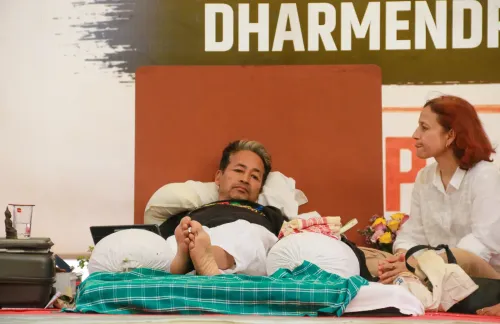
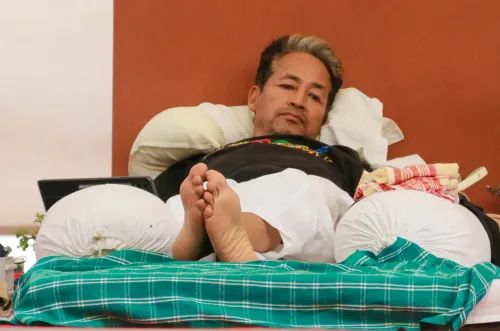
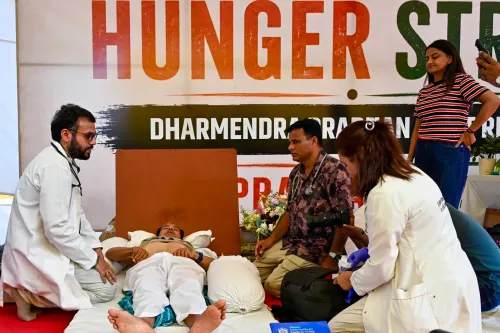
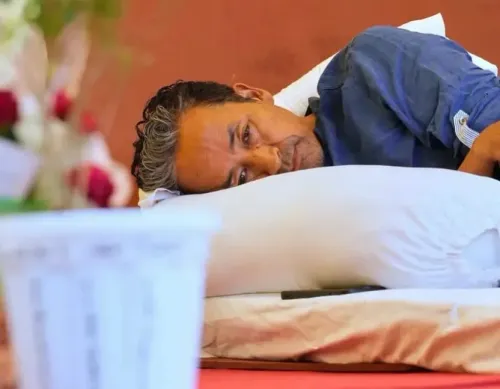
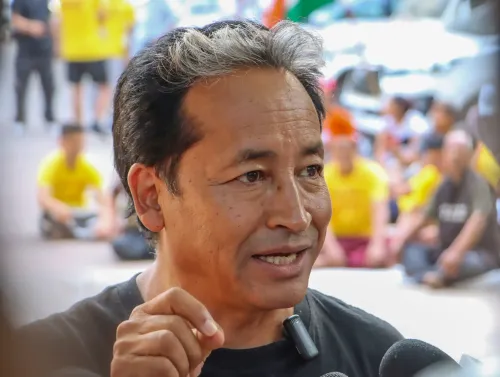
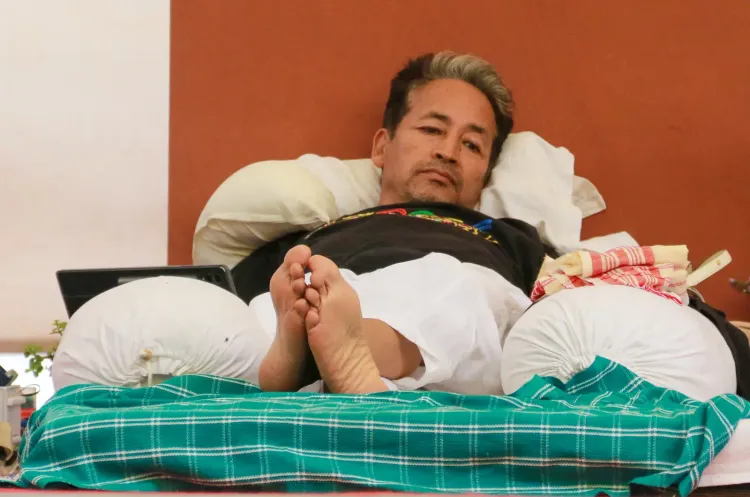
Climate activist and innovator Sonam Wangchuk was admitted to Safdarjung Hospital in New Delhi on 18 July after completing 21 days of a hunger strike, with hospital officials confirming he is weak from prolonged fasting and dehydration but currently stable and under continuous medical observation.
Hospital's Official Assessment
In its first formal health bulletin, Safdarjung Hospital stated that Wangchuk was received and admitted at 7.40 am on Saturday for required healthcare. 'He is weak due to prolonged fasting and dehydration. Although he is currently stable, he requires continuous observation, monitoring and treatment to restore his body parameters,' the hospital said.
The hospitalisation followed a deterioration in his health and was carried out in compliance with directions from the Delhi High Court and on the advice of medical experts.
Court's Role and Police Action
Earlier this week, the Delhi High Court had directed authorities to conduct daily clinical health assessments of Wangchuk, observing that 'the life of any citizen is precious' and instructing the Centre to ensure all necessary medical intervention to safeguard his life. A hearing on his health condition had been scheduled for the same day.
Police personnel arrived at the protest site on Saturday morning and shifted Wangchuk to the hospital amid sloganeering and protests by fellow activists. The transfer preceded the court's scheduled hearing.
Family's Stance on Treatment
Wangchuk's wife, Gitanjali J. Angmo, stated that no oral or intravenous treatment should be administered to her husband without consent from her, his family, and his long-term doctors. The position signals that the family intends to retain oversight over the course of medical intervention.
What Triggered the Fast
Wangchuk launched the hunger strike demanding the resignation of Union Education Minister Dharmendra Pradhan over alleged irregularities in the NEET examination. The protest has drawn sustained public attention, with Wangchuk also calling for a march on 20 July from Jantar Mantar to Parliament House — timed to coincide with the first day of the Monsoon Session — to press the demand for Pradhan's resignation.
Notably, this is not the first time Wangchuk has used prolonged fasting as a tool of protest; he previously undertook hunger strikes over Ladakh's constitutional status. The NEET-linked fast, however, marks a pivot to a national education policy issue and has broadened his support base beyond Ladakh-specific causes.
What Comes Next
With the Monsoon Session of Parliament set to begin and the planned march on 20 July, the political pressure around the NEET controversy is likely to intensify. Wangchuk's medical status will remain under judicial oversight, and the Delhi High Court is expected to continue monitoring developments closely.
Point of View
Not as a matter of proactive duty of care. The NEET controversy has already claimed significant political capital, and a high-profile activist's deteriorating health in custody amplifies that pressure at the worst possible moment — the eve of the Monsoon Session. The family's insistence on consent before treatment adds a layer of tension that could complicate medical management and become a flashpoint in itself. Whether the government engages substantively with the NEET demand or waits out the crisis will define the political cost of this episode.
NationPress
18 Jul 2026
Frequently Asked Questions
What is Sonam Wangchuk's current health condition?
Sonam Wangchuk is currently stable but weak due to prolonged fasting and dehydration after 21 days of hunger strike. Safdarjung Hospital has placed him under continuous observation and is working to restore his body parameters.
Why was Sonam Wangchuk shifted to Safdarjung Hospital?
Wangchuk was shifted to Safdarjung Hospital on 18 July after his health deteriorated on the 21st day of his fast. The transfer was carried out in compliance with Delhi High Court directions and on the advice of medical experts.
What is Sonam Wangchuk protesting about?
Wangchuk launched his hunger strike to demand the resignation of Union Education Minister Dharmendra Pradhan over alleged irregularities in the NEET examination. He has also called for a protest march to Parliament House on 20 July.
What did the Delhi High Court order regarding Wangchuk?
The Delhi High Court directed authorities to conduct daily clinical health assessments of Wangchuk, noting that 'the life of any citizen is precious,' and instructed the Centre to ensure all necessary medical intervention to protect his life.
What has Wangchuk's family said about his treatment?
His wife, Gitanjali J. Angmo, stated that no oral or intravenous treatment should be administered to Wangchuk without consent from her, his family, and his long-term doctors, indicating the family wants direct oversight of his medical care.