Sonia Gandhi: Indira Gandhi publicly apologised for Emergency excesses
Synopsis
Sonia Gandhi has revealed in a rare interview that Indira Gandhi herself eventually acknowledged the Emergency's excesses — publicly apologising for them — while also spreading the blame beyond Sanjay Gandhi to unnamed senior colleagues who, she says, applied pressure on the then Prime Minister. The remarks, timed to her memoir launch, offer the most direct Gandhi-family reckoning with 1975 seen in years.
Key Takeaways
Sonia Gandhi said Indira Gandhi publicly expressed regret and apologised for Emergency excesses at a later stage in her life.
She declined to place sole blame on Sanjay Gandhi , citing pressure from unnamed senior Congress colleagues on Indira Gandhi .
Rajiv Gandhi is described as one of the few around Indira who held a dissenting view during the Emergency .
Sonia acknowledged democratic rights were curtailed and habeas corpus suspended, but called the proclamation constitutional.
Her memoir, ‘Belonging: A Journey Of Love’ , releases worldwide on 10 November .
Rahul Gandhi shared the interview on X , calling his mother “still the same person” after sixty years in public life.
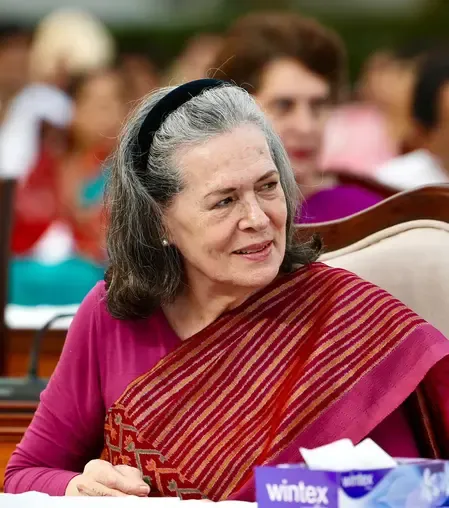
Congress Parliamentary Party Chairperson Sonia Gandhi has said that late Prime Minister Indira Gandhi, in the later years of her life, publicly expressed regret and apologised for the excesses committed during the Emergency — while also declining to place the entire blame for that period on her son Sanjay Gandhi. The remarks came in an interview with The Hindu, published ahead of Sonia Gandhi's memoir release on 10 November 2026.
What Sonia Gandhi Said About Sanjay Gandhi's Role
Sonia Gandhi pushed back against the widespread perception that Sanjay Gandhi was the singular face of the Emergency. “It was not only Sanjay, though in the public mind he is often seen as synonymous with the Emergency. There was a lot of pressure from some of her senior colleagues, and I think there were very few people around her like Rajiv who had a different point of view,” she told The Hindu’s N. Ram.
She added that her late husband, former Prime Minister Rajiv Gandhi, regularly conveyed to his mother complaints and feedback he had heard from ordinary people — positioning him as a dissenting voice within the inner circle during that turbulent period.
On Democratic Rights and the Constitutional Argument
When asked whether the Emergency should be recognised as an anti-democratic and authoritarian chapter in India’s history, the 79-year-old Congress leader acknowledged that democratic rights had been curtailed but offered context for why the proclamation was made. “Yes, democratic rights had been curtailed, and there was a suspension of habeas corpus, but it was done constitutionally,” she said.
Sonia Gandhi described the situation as Indira Gandhi saw it at the time: violent protests, government offices and public transport set on fire, widespread organised unrest, and what she characterised as calls for the bureaucracy and armed forces to disobey orders. Critics, however, have long argued that these justifications do not mitigate the scale of civil liberty violations during the 1975–1977 period.
Indira Gandhi's Eventual Reckoning
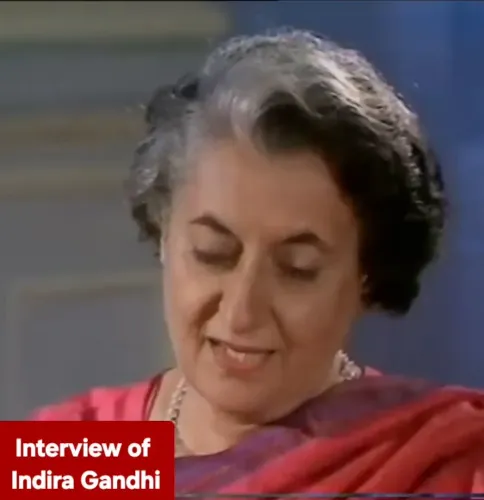
“Hindsight allows us to put things better in perspective. Let’s not forget that it was Mrs Gandhi herself who came to recognise what was happening and called for the March 1977 election. And you know very well that she herself later publicly expressed regret and apologised for excesses during the Emergency,” Sonia Gandhi said.
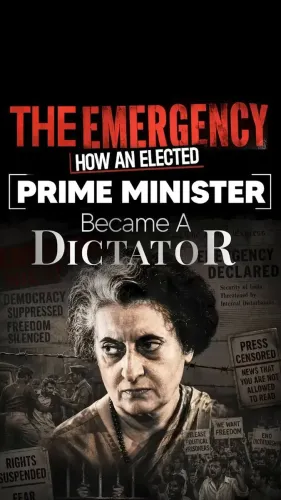
Indira Gandhi declared the Emergency on 25 June 1975. The nearly two-year period saw the curtailment of civil liberties, suspension of constitutional safeguards including habeas corpus, Press restrictions, and a substantial expansion of executive powers by the Centre. It remains one of the most contested chapters in post-independence Indian democracy.
The Memoir and Rahul Gandhi's Tribute
Sonia Gandhi’s remarks come ahead of the worldwide release of her memoir, ‘Belonging: A Journey Of Love’, scheduled for 10 November. Congress leader Rahul Gandhi shared the interview on social media platform X, writing: “Sixty years in public life, and still the same person. Proud of you, Ma.”
He also quoted a passage from his mother: “The values that I learnt growing up survive. I have tried my best to be true to them: Loyalty to family and friends, sincerity and feeling for others, the idea of being dutiful and responsible. I think I can say that in these I am the same person Rajiv met sixty years ago.”
The interview and upcoming memoir are likely to reignite public debate over how the Emergency is remembered — and how the Gandhi family's own reckoning with it is framed for a new generation.
Point of View
Days before a memoir launch, is hardly coincidental. What it does not do is name the ‘senior colleagues’ who reportedly pressured Indira, nor does it engage with the documented scale of arbitrary detentions, Press censorship, and forced sterilisations. For a party that has increasingly positioned itself as the defender of the Constitution, the framing here walks a fine line between accountability and rehabilitation — and critics will argue it does more of the latter.
NationPress
7 Nov 2026
Frequently Asked Questions
What did Sonia Gandhi say about Indira Gandhi and the Emergency?
Sonia Gandhi said that Indira Gandhi, later in her life, publicly expressed regret and apologised for the excesses committed during the Emergency. She also said that Sanjay Gandhi should not bear the blame alone, citing pressure from some of Indira Gandhi’s senior colleagues at the time.
What was Rajiv Gandhi's role during the Emergency, according to Sonia Gandhi?
Sonia Gandhi described Rajiv Gandhi as one of the very few people around Indira Gandhi who held a different point of view during the Emergency. She said he regularly conveyed to his mother complaints and feedback he had heard from ordinary people.
When did Indira Gandhi declare the Emergency, and what did it involve?
Indira Gandhi declared the Emergency on 25 June 1975. The period, which lasted until March 1977, involved the curtailment of civil liberties, suspension of habeas corpus and other constitutional safeguards, restrictions on the Press, and an expansion of executive powers by the Centre.
What is Sonia Gandhi’s memoir about and when is it released?
Sonia Gandhi’s memoir, titled ‘Belonging: A Journey Of Love’, releases worldwide on 10 November. The interview with The Hindu was given ahead of that release and touches on her personal perspective on key events in the Gandhi family’s political history.
How did Rahul Gandhi respond to Sonia Gandhi’s interview?
Rahul Gandhi shared the interview on social media platform X, writing: ‘Sixty years in public life, and still the same person. Proud of you, Ma.’ He also quoted a passage from her memoir about the personal values she says have guided her life.