Sonowal Celebrates Mumbai Port's 154-Year Maritime Legacy
Synopsis
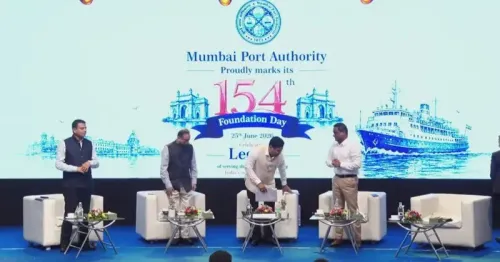
Union Minister Sarbananda Sonowal marked Mumbai Port's 154th Foundation Day on 25 June 2026, celebrating its maritime heritage and tying its future to the government's Viksit Bharat vision and ongoing port modernisation agenda under PM Modi.
Key Takeaways
Sarbananda Sonowal , Union Minister of Ports, Shipping and Waterways, attended Mumbai Port's Foundation Day on 25 June 2026 .
Mumbai Port is celebrating 154 years of operation as a major hub of India's maritime trade and heritage.
The minister extended wishes to the Mumbai Port Trust family and all stakeholders of the institution.
Sonowal linked the port's future to the government's Viksit Bharat vision — a developed India by 2047 — through a strong maritime sector.
India's maritime policy is anchored by the Sagarmala Project (launched 2015 ) and Maritime India Vision 2030 (released 2021 ).
Ongoing port modernisation, capacity addition, and hinterland connectivity remain key focus areas under the current government's infrastructure push.
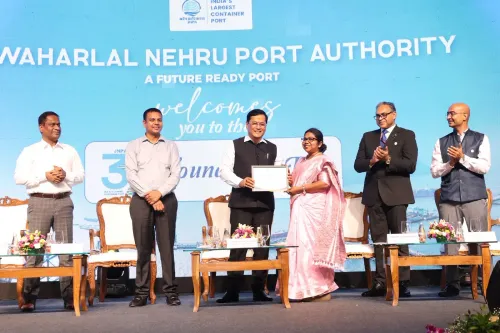
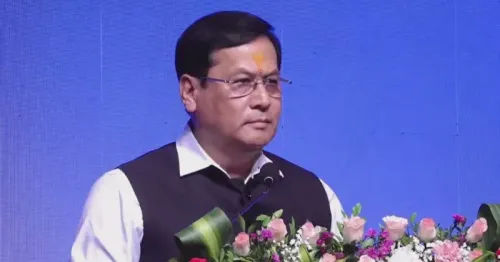
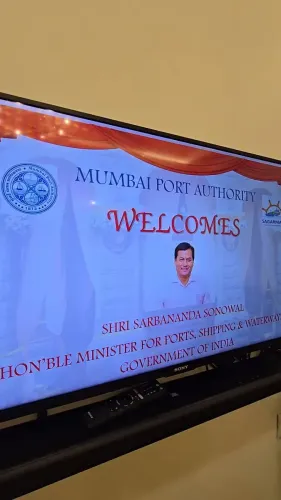
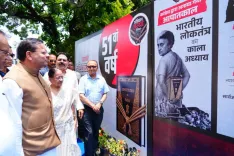
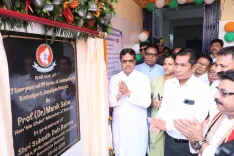
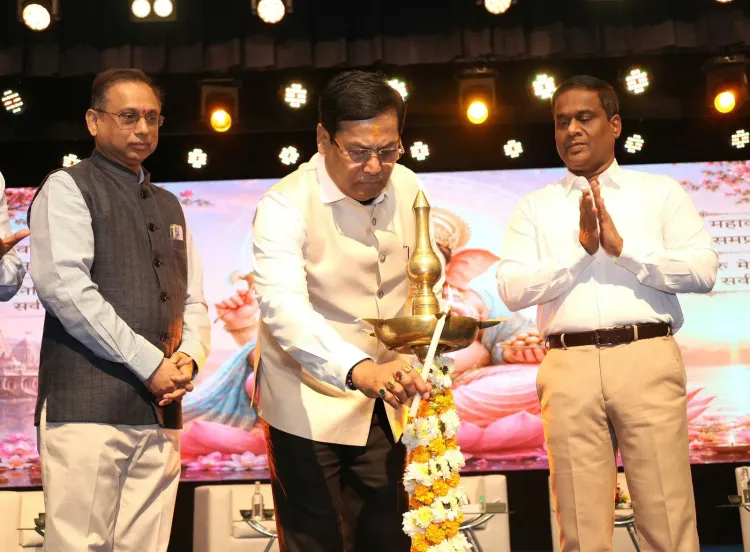
Union Minister of Ports, Shipping and Waterways Sarbananda Sonowal attended the Foundation Day programme of Mumbai Port on Thursday, 25 June 2026, marking 154 years of the port's role as a cornerstone of India's maritime heritage and trade. Speaking at the event in the coastal city of Mumbai, Sonowal extended his wishes to the Mumbai Port Trust family and all stakeholders of the historic institution.
Context
Sonowal described Mumbai Port as 'a towering pillar of India's maritime heritage and engine of economic growth,' underscoring its enduring significance across 154 years of operation. The Foundation Day event brought together port authorities, shipping industry representatives, and other stakeholders to mark the occasion. The minister conveyed his 'heartiest best wishes' to the Mumbai Port Trust community and all those associated with the institution.
Mumbai Port is one of India's oldest major ports, with roots tracing back to the colonial era. Managed by the Mumbai Port Trust — a statutory body constituted under the Major Port Trusts Act — it has historically served as a gateway for both cargo and passenger traffic, anchoring western India's trade links with global markets.
Policy Backdrop
Sonowal linked the Foundation Day celebration to the broader national maritime ambition, stating that 'under the visionary leadership of Hon'ble PM Shri Narendra Modi ji, India's maritime sector is scaling unprecedented heights.' He expressed confidence that the country would 'continue to anchor our journey toward a Viksit Bharat via a Viksit maritime sector.' The phrase Viksit Bharat — meaning 'Developed India' — is the government's overarching vision for the country by 2047.
The current government's maritime push has been institutionalised through two major policy frameworks. The Sagarmala Project, launched in 2015, promotes port-led development and coastal economic zones. Maritime India Vision 2030, released in 2021, sets out targets for port capacity expansion, green shipping, and trade growth. Mumbai Port's modernisation forms a key component of this longer arc of infrastructure investment.
Stakeholders and Impact
The Foundation Day programme drew participation from the Mumbai Port Trust administration, shipping industry players, and export-sector representatives who depend on the port's infrastructure for their operations. For exporters and logistics firms based in western India, Mumbai Port's capacity and efficiency remain critical to supply-chain competitiveness. The minister's attendance signals continued central government attention to the port's development trajectory.
Since 2014, the central government has pursued systematic modernisation of India's major ports through corporatisation, capacity addition, and hinterland connectivity upgrades. Mumbai Port's long-standing institutional history is frequently cited in official narratives that connect maritime heritage with current economic targets, reinforcing its symbolic as well as functional importance to national trade.
What's Next
Progress on Mumbai Port's ongoing infrastructure upgrades will be closely watched by the shipping and export communities. Observers will look to the next Maritime India Summit and forthcoming Union Budget deliberations for specific project announcements or funding allocations that could accelerate the port's modernisation. The government's stated goal of a 'Viksit maritime sector' by 2047 means that milestone events such as this Foundation Day are likely to be accompanied by fresh policy signals in the months ahead.
Point of View
The minister positions port development not merely as logistics policy but as a civilisational project — a framing that has become a recurring motif in the government's communication. The event also underscores the central government's continued emphasis on maritime sector visibility at a time when port corporatisation and capacity targets face scrutiny from industry stakeholders. Whether the Foundation Day translates into concrete new project announcements will determine how much policy weight this ceremonial moment carries.
NationPress
25 Jun 2026
Frequently Asked Questions
How old is Mumbai Port in 2026?
Mumbai Port is 154 years old in 2026, making it one of India's oldest and most historically significant major ports.
What is the Mumbai Port Trust?
The Mumbai Port Trust is a statutory body that manages the operations, infrastructure, and trade facilitation functions of Mumbai Port , constituted under the Major Port Trusts Act.
What is the Viksit Bharat vision?
Viksit Bharat — meaning 'Developed India' — is the central government's vision to make India a fully developed nation by 2047 , with maritime infrastructure identified as a key pillar of that goal.
What is the Sagarmala Project?
The Sagarmala Project , launched in 2015 , is a central government initiative to promote port-led development, coastal economic zones, and hinterland connectivity across India.
What did Sarbananda Sonowal say at Mumbai Port Foundation Day 2026?
Sarbananda Sonowal described Mumbai Port as 'a towering pillar of India's maritime heritage and engine of economic growth,' and expressed confidence that India would 'anchor its journey toward a Viksit Bharat via a Viksit maritime sector' under PM Narendra Modi 's leadership.