Sonowal Hails Modi's Northeast Transformation Since 2014
Synopsis
Union Minister Sarbananda Sonowal has praised PM Narendra Modi's record on Northeast development since 2014, citing enhanced connectivity and inclusive growth across the eight Ashtalakshmi states — a rebranding that signals the Centre's shift from a security to an economic lens on the region.
Key Takeaways
Union Minister Sarbananda Sonowal credited PM Narendra Modi with an 'unprecedented transformation' of the Northeast since 2014 .
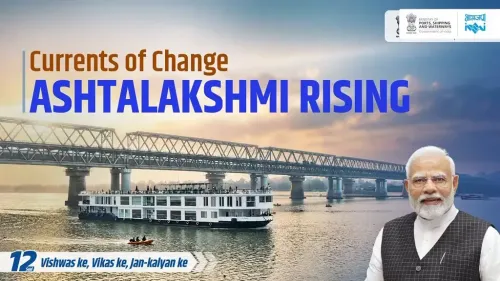
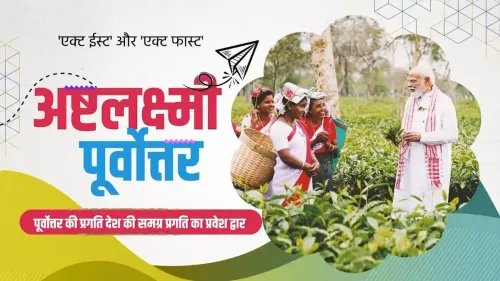
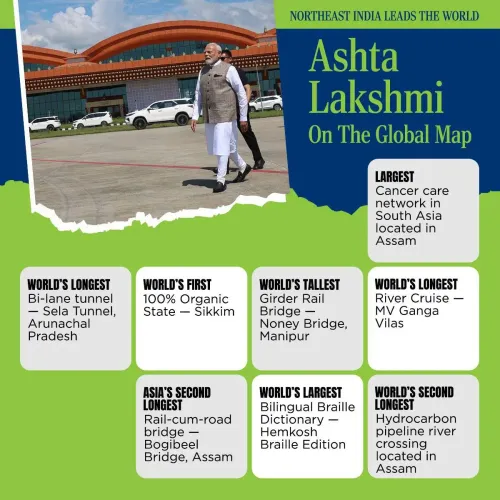
The eight Northeastern states — collectively called Ashtalakshmi — are the focus of the Centre's connectivity and growth push.
Key policy instruments include the Act East Policy (2014) , the North East Special Infrastructure Development Scheme (2015) and Bharatmala Pariyojana (2017) .
Sonowal's ministry is overseeing inland waterway projects on the Brahmaputra as a complement to road and rail upgrades.
The 'Ashtalakshmi' framing reflects a deliberate narrative shift from insurgency and isolation to economic opportunity.
Budget allocations for 2026-27 and progress on waterway terminals will be key near-term indicators of policy follow-through.
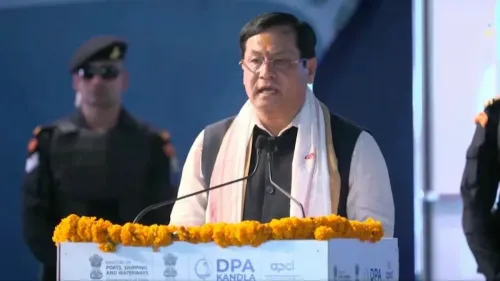
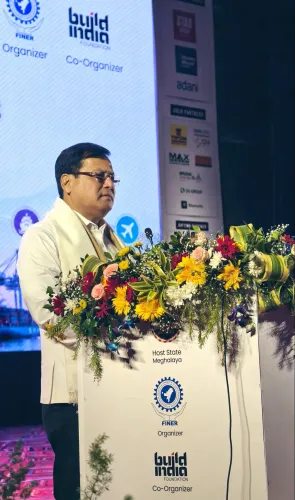
Union Minister of Ports, Shipping and Waterways Sarbananda Sonowal on Saturday, June 13, 2026, credited Prime Minister Narendra Modi with delivering an 'unprecedented transformation' in India's Northeast since 2014, describing the region's journey from neglect to prosperity through enhanced connectivity and inclusive growth.
Posting on X, Sonowal wrote that the Northeast — once 'overlooked and neglected' — had entered a 'new era' under Modi's leadership, with all eight states collectively referred to as Ashtalakshmi now benefiting from sustained policy attention.
Context
The term Ashtalakshmi — meaning 'eight goddesses of prosperity' — is the Centre's preferred collective reference for the eight Northeastern states: Arunachal Pradesh, Assam, Manipur, Meghalaya, Mizoram, Nagaland, Sikkim and Tripura. The framing is a deliberate effort to shift the region's narrative from historical associations with insurgency and isolation toward economic opportunity and cultural richness.
Sonowal himself served as Chief Minister of Assam from 2016 to 2021 before being inducted into the Union Cabinet, giving him a firsthand vantage point on the policy changes he is now amplifying.
Policy Backdrop
The central government's Northeast push has been anchored by several overlapping frameworks. The Act East Policy, announced in 2014, repositioned the region as India's gateway to ASEAN nations, deepening economic, cultural and connectivity ties with Bangladesh, Myanmar and beyond. The North East Special Infrastructure Development Scheme, launched in 2015, channelled funds into roads, power and water projects across the eight states.
The Bharatmala Pariyojana, approved in 2017, added multiple highway corridors linking Northeastern states to the national road network. As Sonowal's own ministry, inland waterway terminals and port projects in Assam and Arunachal Pradesh represent the latest layer of this multi-modal connectivity drive.
Together, these schemes have sought to reduce the region's dependence on the narrow Siliguri Corridor — the so-called 'Chicken's Neck' — by diversifying road, rail, air and water-based links with the rest of India and with neighbouring countries.
Stakeholders and Impact
The primary beneficiaries of improved Northeast connectivity are the region's residents, who historically faced high logistics costs, limited market access and inadequate public infrastructure. Regional traders stand to gain from smoother movement of goods to mainland India and to Southeast Asian markets via the Act East corridor.
Infrastructure developers and logistics operators have also seen increased project flow in the region. For Sonowal's ministry specifically, inland waterways on the Brahmaputra and its tributaries offer a low-cost freight alternative that complements road and rail upgrades already under way.
What's Next
Parliamentary scrutiny of 2026-27 budget allocations for Northeast connectivity will be a key indicator of whether the policy momentum Sonowal describes is being backed by fresh capital expenditure. Progress on inland waterway terminals — a portfolio that sits directly within his ministry — will be closely watched by regional stakeholders and investors alike.
As the BJP prepares for state-level political cycles in several Northeastern states, the 'Ashtalakshmi' messaging is likely to remain a central plank of the party's regional outreach, making Sonowal's post as much a political signal as a policy update.
Point of View
Domestic infrastructure (Bharatmala, NESIDS) and cultural rebranding (Ashtalakshmi). As a former Chief Minister of Assam, Sonowal carries regional credibility that lends weight to the messaging beyond a routine ministerial statement. The timing, ahead of potential state-cycle politics in the Northeast, suggests the Centre is keen to consolidate its gains in a region where it has made significant electoral inroads since 2014. Whether the rhetoric is matched by fresh capital commitments in the 2026-27 budget will be the real test of the policy arc Sonowal is celebrating.
NationPress
27 Oct 2026
Frequently Asked Questions
What are the Ashtalakshmi states of India?
The Ashtalakshmi states are the eight Northeastern states of India — Arunachal Pradesh, Assam, Manipur, Meghalaya, Mizoram, Nagaland, Sikkim and Tripura — named after the eight goddesses of prosperity to highlight their economic and cultural potential.
What is the Act East Policy and how does it help the Northeast?
The Act East Policy, launched in 2014, aims to deepen India's economic, cultural and connectivity ties with ASEAN nations by using the Northeastern states as a strategic gateway, boosting trade and infrastructure in the region.
What has Sarbananda Sonowal said about Northeast development?
Union Minister Sarbananda Sonowal credited PM Narendra Modi with an unprecedented transformation of the Northeast since 2014, saying the region has moved from neglect to a new era of enhanced connectivity and inclusive growth.
What infrastructure schemes have been launched for Northeast India since 2014?
Key schemes include the Act East Policy (2014), the North East Special Infrastructure Development Scheme (2015) for roads, power and water projects, and the Bharatmala Pariyojana (2017) which added highway corridors linking the Northeast to the rest of India.
What is Sarbananda Sonowal's role in Northeast development?
Sonowal is the Union Minister of Ports, Shipping and Waterways and a former Chief Minister of Assam. His ministry oversees inland waterway projects on the Brahmaputra and its tributaries, which form a key part of the Northeast's multi-modal connectivity plan.