Sonowal Orders 24x7 Monitoring of Indian Seafarers in Gulf Crisis
Synopsis
Union Minister Sarbananda Sonowal has ordered real-time vessel-by-vessel monitoring and 24x7 coordination across the Persian Gulf, Strait of Hormuz, and Gulf of Oman following an escalating West Asia maritime crisis, while expressing condolences for an Indian seafarer killed in the conflict zone.
Key Takeaways
Union Minister Sarbananda Sonowal chaired an emergency review meeting on 14 July 2026 to address the maritime security crisis in West Asia .
A 24x7 operational dashboard will monitor every Indian seafarer on every vessel in the Persian Gulf , Strait of Hormuz , and Gulf of Oman , irrespective of the vessel's flag.
A dedicated liaison officer will act as single point of contact for each affected Indian seafarer's family.
Sonowal conveyed condolences to the family of an Indian seafarer who died in the conflict zone and wished speedy recovery to those injured.
The government has committed to supporting and caring for seafarers' families throughout the crisis.
The measures are framed as part of a broader Seafarer-First response backed by the Modi government .
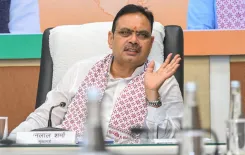
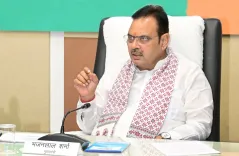
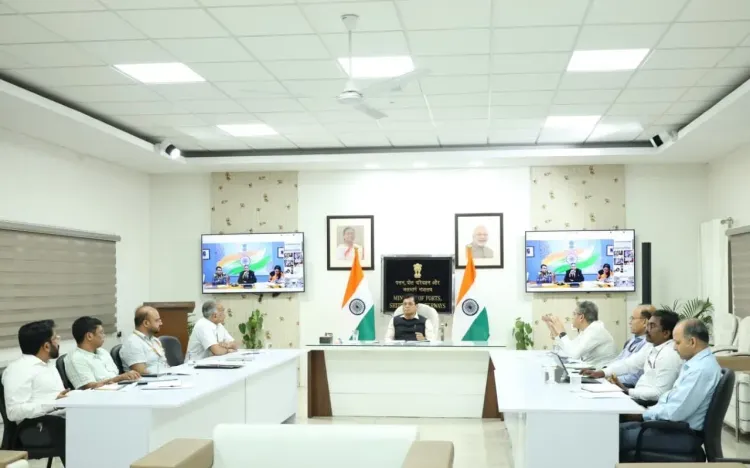
Union Minister of Ports, Shipping and Waterways Sarbananda Sonowal on Tuesday, 14 July 2026, chaired a high-level review meeting with maritime stakeholders to address the escalating security crisis in West Asia, announcing a sweeping set of emergency measures to protect Indian seafarers operating in conflict-affected Gulf waters.
What the Minister Announced
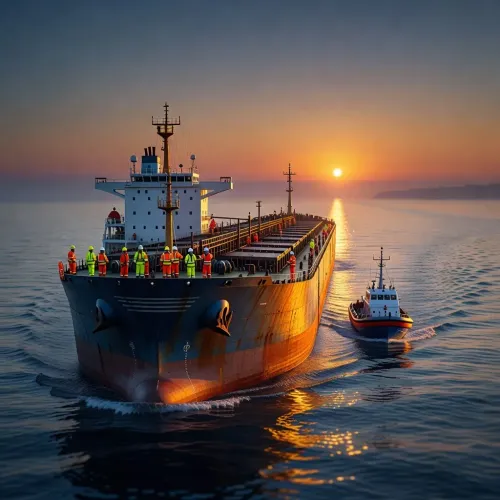
Sonowal declared an 'unprecedented Seafarer-First response,' ordering real-time, vessel-by-vessel monitoring and 24x7 coordination across Gulf waters. A comprehensive operational dashboard will account for every Indian national aboard every vessel operating in the Persian Gulf, the Strait of Hormuz, and the Gulf of Oman — irrespective of the vessel's flag state.
A dedicated liaison officer will serve as a single point of contact for each affected Indian seafarer's family, providing uninterrupted assistance. Sonowal also conveyed condolences to the family of 'the brave Indian seafarer who made the ultimate sacrifice in the line of duty' and prayed for the speedy recovery of those injured.
Context
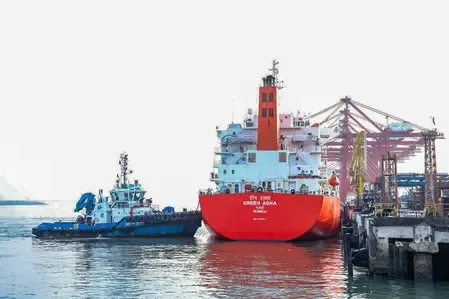
The announcement comes amid a renewed flare-up of hostilities in West Asia that has placed Indian-crewed merchant vessels operating through critical maritime chokepoints at heightened risk. India has one of the largest pools of seafarers globally, with tens of thousands serving on vessels of multiple flag states transiting the Persian Gulf and the Strait of Hormuz — the narrow passage linking the Gulf to the Gulf of Oman and the broader Indian Ocean.
The minister linked the government's response directly to Prime Minister Narendra Modi, stating that 'the Hon'ble PM Shri Modi ji led Govt stands with our seafarers and we are entirely committed to assisting and protecting them in every possible way, at all costs.'
Policy Backdrop
India's Maritime Security Strategy, last comprehensively updated in 2015, expanded the country's focus on protecting sea lines of communication and Indian-flagged or crewed vessels across the Indian Ocean and adjacent waters. Following a series of tanker attacks in 2019, the government issued standing advisories and established naval coordination protocols for Indian seafarers transiting high-risk West Asian corridors.
The current measures build on that framework by adding a real-time digital monitoring layer and a dedicated family-support mechanism — reflecting India's broader doctrine of maritime domain awareness combined with citizen-centric crisis response.
Stakeholders and Impact
The measures directly affect Indian seafarers aboard vessels of any flag operating in the Persian Gulf, Strait of Hormuz, and Gulf of Oman. Their families, who often have little visibility into the safety of their kin during regional conflicts, stand to benefit from the dedicated liaison officer system announced by Sonowal.
The Ministry of Ports, Shipping and Waterways has also linked the announcement to a formal government press release, signalling that the measures carry institutional weight beyond a ministerial statement.
What's Next
The immediate priority will be the operational rollout of the vessel-by-vessel monitoring dashboard and the activation of liaison officers for affected families. Parliamentary scrutiny and updated crew advisories from the Ministry of Ports, Shipping and Waterways are likely to follow as the situation in West Asia evolves. The government's willingness to extend protection to seafarers regardless of a vessel's flag state sets a notable precedent that could shape India's maritime diplomacy and bilateral agreements with flag-of-convenience registries in the months ahead.
Point of View
Not just Indian-registered ships, and it institutionalises family support through a dedicated liaison system rather than relying on ad hoc consular channels. This reflects a maturing of India's citizen-protection doctrine in maritime conflict zones, building on lessons from the 2019 Gulf tanker crisis. The move also carries political weight for the BJP government, which has consistently used swift, visible responses to overseas citizen distress as a demonstration of governance competence. The real test will be whether the monitoring dashboard and liaison network are operationally ready before the crisis deepens further.
NationPress
15 Jul 2026
Frequently Asked Questions
What measures has Sonowal announced for Indian seafarers in the Gulf crisis?
Sonowal has ordered real-time, vessel-by-vessel monitoring and 24x7 coordination across the Persian Gulf, Strait of Hormuz, and Gulf of Oman, along with a comprehensive operational dashboard and dedicated liaison officers for each affected seafarer's family.
Was an Indian seafarer killed in the West Asia maritime crisis?
Union Minister Sonowal conveyed condolences to the family of an Indian seafarer described as having 'made the ultimate sacrifice in the line of duty,' and prayed for the recovery of those injured; specific details of the incident have not been officially confirmed beyond the minister's statement.
Does India's protection cover seafarers on foreign-flagged ships?
Yes. Sonowal explicitly stated that every Indian seafarer in the affected region will be individually accounted for 'irrespective of the vessel's flag,' extending the government's protective measures beyond Indian-registered ships.
What is the role of the dedicated liaison officer announced by Sonowal?
Each affected Indian seafarer will have a dedicated liaison officer acting as a single point of contact to provide uninterrupted assistance to their families during the crisis.
What is India's existing policy on protecting seafarers in conflict zones?
India's Maritime Security Strategy, updated in 2015, covers protection of sea lines of communication and Indian-crewed vessels. After tanker attacks in 2019, the government issued standing advisories and naval coordination protocols for high-risk West Asian waters, which the current measures expand upon.