Sonowal pays tribute to Assamese literary icon Navakanta Barua
Synopsis
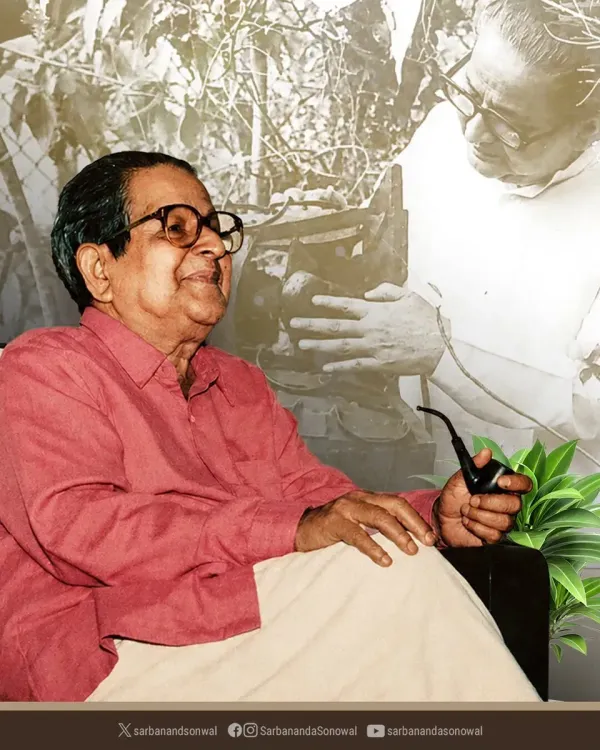
Union Minister Sarbananda Sonowal on 14 July 2026 paid tribute to eminent Assamese poet, novelist and Sahitya Akademi Award winner Navakanta Barua on his memorial day, hailing Barua's creative legacy as an enduring inspiration for future generations of Assamese writers and readers.
Key Takeaways
Sarbananda Sonowal , Union Minister of Ports, Shipping and Waterways, posted a tribute to Navakanta Barua on his memorial day on 14 July 2026 .
Navakanta Barua was a celebrated Assamese poet, novelist, lyricist and recipient of the Sahitya Akademi Award , India's National Academy of Letters honour.
Sonowal described Barua as having elevated Assamese literature to 'a new height' through creative writing, deep thought and innovative linguistic expression.
The minister addressed Barua with the affectionate Assamese honorific এখুদ ককাইদেউ (revered elder brother), reflecting deep cultural regard.
Sonowal expressed confidence that Barua's legacy would inspire new generations towards 'creativity, humanist values and social consciousness.' The tribute is part of a broader pattern of BJP leaders with Northeast roots publicly honouring regional literary and cultural figures from national platforms.
Union Minister of Ports, Shipping and Waterways Sarbananda Sonowal on Tuesday, 14 July 2026, paid homage to celebrated Assamese poet, novelist, lyricist and Sahitya Akademi Award winner Navakanta Barua on his memorial day, describing the literary giant as a towering pillar of modern Assamese literature whose creative legacy will continue to inspire generations.
Context
Posting in Assamese on X, Sonowal offered what he called a 'deep tribute' (গভীৰ শ্ৰদ্ধাঞ্জলি) to Barua, stating that through 'creative literature, profound thought and an innovative mode of linguistic expression, Barua elevated Assamese literature to a new height.' The minister addressed the poet with the affectionate honorific এখুদ ককাইদেউ — meaning a revered elder brother — underscoring the personal and cultural weight the tribute carried.
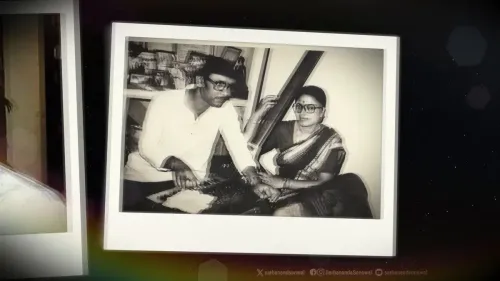
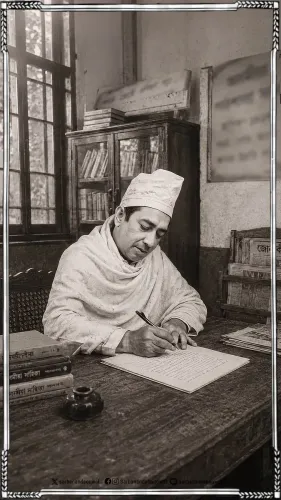
Sonowal further wrote that Barua's 'literary achievements and value-laden creations will, across ages, continue to inspire new generations to work with dedication towards creativity, humanist values and social consciousness.' The post was accompanied by a video, suggesting a more elaborate commemorative presentation.
Policy Backdrop
Navakanta Barua is regarded as one of the most significant voices in twentieth-century Assamese letters. A recipient of the Sahitya Akademi Award — conferred by India's National Academy of Letters for outstanding contribution to recognised Indian languages — Barua's work spanned poetry, fiction and song, bringing humanist and modernist sensibilities to Assamese literary culture.
The Sahitya Akademi has long served as the institutional backbone for recognising and preserving India's diverse literary traditions, including Assamese. State and central government leaders regularly mark the memorial days of regional literary figures, situating such tributes within a broader policy emphasis on promoting indigenous language and cultural heritage.
Stakeholders and Impact
The tribute carries particular resonance given Sonowal's own roots in Assam, where he served as Chief Minister before joining the Union Cabinet. His acknowledgement of Barua's contribution from a national platform amplifies visibility for Assamese literary heritage beyond the state's borders.
For the Assamese literary community — writers, scholars, students and cultural organisations — such high-profile commemorations help sustain public interest in classical and modern Assamese works. They also reinforce the role of the Assamese language as a living, evolving literary medium deserving national recognition.
What's Next
Observers of Assamese cultural life will watch for state-level commemorations, academic events or Sahitya Akademi-organised programmes that may build on the renewed attention to Navakanta Barua's legacy. Any government-backed initiative to document, translate or disseminate Barua's works — particularly to younger readers — would be a natural follow-through to the kind of institutional appreciation Sonowal's tribute represents.
As BJP leaders with Northeast roots continue to hold prominent national positions, their public engagement with regional cultural icons is likely to remain a consistent feature of India's political-cultural calendar.
Point of View
Rather than Hindi or English, signals a deliberate appeal to the home constituency and a broader assertion that Assamese language and literature deserve visibility at the national level. Within the BJP's Northeast outreach strategy, such gestures serve a dual purpose: they reinforce cultural pride and position the party as a custodian of indigenous heritage. The reference to Barua inspiring 'social consciousness' is notable, threading a humanist literary legacy into a political narrative of inclusive development.
NationPress
14 Jul 2026
Frequently Asked Questions
Who was Navakanta Barua?
Navakanta Barua was one of the most prominent figures in modern Assamese literature — a poet, novelist and lyricist who received the Sahitya Akademi Award, India's National Academy of Letters honour, for his outstanding contribution to Assamese writing.
Why did Sarbananda Sonowal pay tribute to Navakanta Barua?
Sonowal paid tribute on Navakanta Barua's memorial day on 14 July 2026, honouring the literary icon's enduring contribution to Assamese poetry, fiction and song.
What is the Sahitya Akademi Award?
The Sahitya Akademi Award is conferred annually by India's National Academy of Letters to authors who have made outstanding contributions to literature in any of the recognised Indian languages, including Assamese.
What did Sonowal say about Navakanta Barua's legacy?
Sonowal said Barua elevated Assamese literature to 'a new height' through creative writing and innovative linguistic expression, and that his legacy would inspire future generations towards creativity, humanist values and social consciousness.
What is Sarbananda Sonowal's connection to Assam?
Sarbananda Sonowal is a senior BJP leader from Assam who served as the state's Chief Minister before becoming Union Minister of Ports, Shipping and Waterways, making his tribute to Assamese literary figures a reflection of both personal roots and political identity.