Sonowal Reviews Seafarer Safety Amid West Asia Crisis
Synopsis
Union Ports Minister Sarbananda Sonowal reviewed maritime safety operations in New Delhi on November 19, condemning attacks on commercial vessels in West Asia and directing DGMA to personally brief him on victim compensation. E-Navik is tracking 800+ vessels in the Persian Gulf and 200+ in the Gulf of Oman.
Key Takeaways
Sarbananda Sonowal chaired a high-level operational review in New Delhi on November 19, 2026 amid the West Asia maritime crisis.
India's E-Navik platform is actively tracking over 800 vessels in the Persian Gulf and 200+ in the Gulf of Oman .
Sonowal strongly condemned 'repeated attacks on commercial vessels' and asserted India's SeafarerFirst approach.
The minister directed DGMA to personally brief him on the compensation status and timely assistance to victims' next of kin.
India's response reflects its strategic dependence on Gulf sea lanes for energy imports and its large global seafaring workforce.
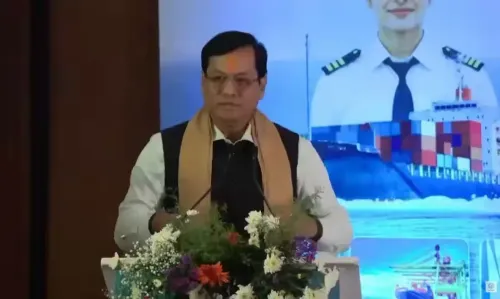
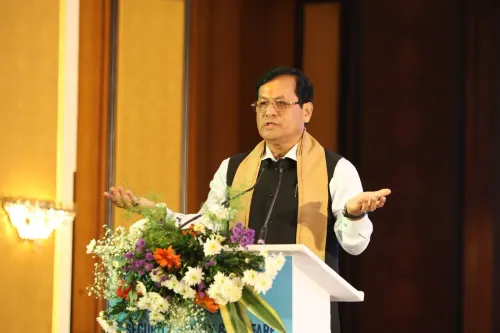
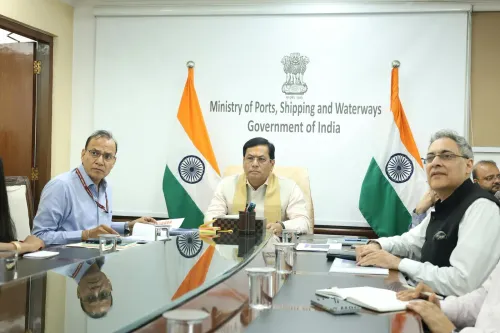
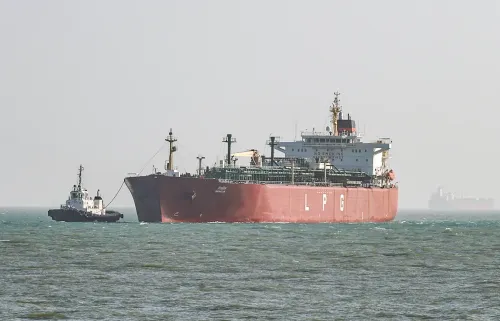
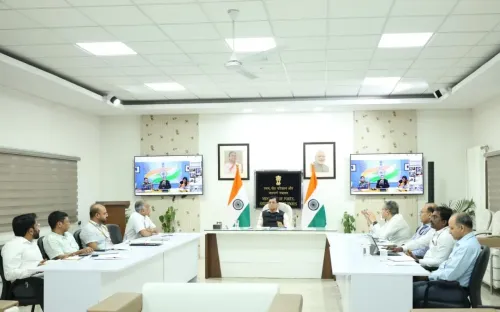
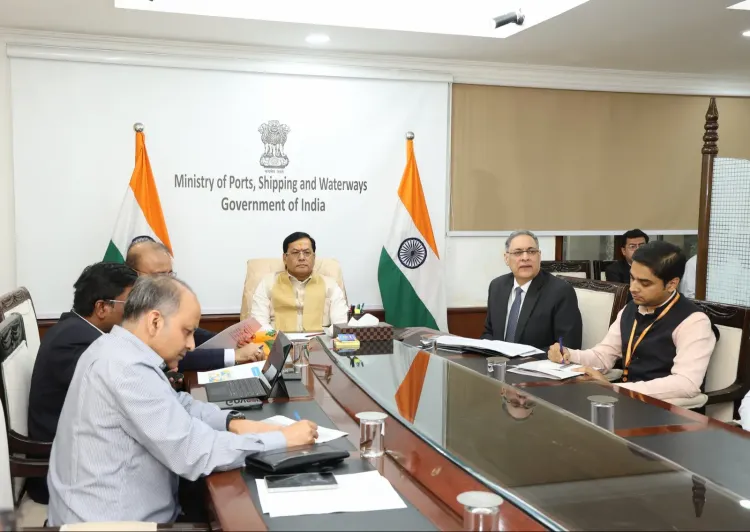
With commercial vessels under fire in some of the world's busiest shipping lanes, Union Ports and Shipping Minister Sarbananda Sonowal on Thursday, November 19 chaired a high-level operational review in New Delhi, directing his ministry to sharpen its crisis response for Indian seafarers caught in the West Asia storm.
800+ vessels tracked, families awaiting answers
The numbers tell the story: India's E-Navik maritime tracking platform is actively monitoring over 800 vessels in the Persian Gulf and more than 200 in the Gulf of Oman — the precise corridors where attacks on commercial shipping have spiked. At the review, Sonowal took direct stock of the compensation status of attack victims and issued a pointed directive: the Director General of Merchant Shipping (DGMA) must brief him personally on the progress of assistance reaching victims' next of kin. That instruction matters. It signals the minister is not content with bureaucratic trickle-down — he wants accountability at the top.
Sonowal was unambiguous in his public statement: 'I strongly condemn the repeated attacks on commercial vessels.' He framed India's posture around a 'SeafarerFirst' approach, asserting that the country 'remains steadfast in safeguarding our maritime workforce and upholding freedom of navigation amid the West Asia crisis.'
Why the Persian Gulf corridor cannot be India's blind spot
India's dependence on the Persian Gulf and the Gulf of Oman as trade and energy arteries is structural, not incidental. A significant share of India's crude oil imports, liquefied natural gas, and export cargo move through these waters. Any sustained disruption ripples instantly into freight costs, fuel prices, and the livelihoods of the tens of thousands of Indian sailors — among the world's largest seafaring workforces — who crew these routes. The ministry's deployment of E-Navik for real-time domain awareness is a direct response to that exposure.
India has historically walked a careful diplomatic line in West Asia, maintaining working relationships across rival blocs while insisting on the inviolability of freedom of navigation. Sonowal's public condemnation of vessel attacks is consistent with that posture — firm on the principle, restrained on assigning blame.
DGMA briefing and compensation: the test ahead
The most consequential outcome of Thursday's review may be the least visible: the personal briefing Sonowal has demanded from DGMA on compensation disbursements to victims' families. For sailors working far from home in a conflict zone, the speed at which a government moves on welfare commitments is the difference between a policy promise and a lived reality. Sonowal's directive to be briefed directly — not through layers of officials — suggests the ministry is treating this as an accountability moment, not a paperwork exercise.
India's maritime workforce deserves nothing less. And the world watching these sea lanes will be paying close attention to whether the words match the action.
Point of View
A posture that serves both domestic optics and India's long-standing claim as a responsible maritime power. The 'SeafarerFirst' framing is politically astute: it anchors a complex geopolitical crisis in a human welfare narrative that resonates with the large Indian seafaring community and their families. India's refusal to name a specific aggressor while condemning the attacks broadly is a continuation of its strategic autonomy doctrine in West Asia. The real test of this review will come in the weeks ahead, when compensation disbursements either validate or undercut the ministry's stated urgency.
NationPress
20 Nov 2026
Frequently Asked Questions
What is E-Navik and how does it help Indian seafarers?
E-Navik is India's maritime tracking platform operated by the Ministry of Ports, Shipping and Waterways. It is currently monitoring over 800 vessels in the Persian Gulf and 200+ in the Gulf of Oman to ensure the safety of Indian sailors operating in crisis-affected waters.
What did Sonowal say about attacks on ships in West Asia?
Union Ports and Shipping Minister Sarbananda Sonowal strongly condemned the 'repeated attacks on commercial vessels' in West Asia, asserting that India remains committed to its 'SeafarerFirst' approach and to upholding freedom of navigation.
What action has Sonowal taken for victims of ship attacks?
Sonowal reviewed the compensation status of victims at an operational meeting on November 19, 2026, and directed the Director General of Merchant Shipping (DGMA) to personally brief him on the progress of assistance being provided to victims' next of kin.
Why is the Persian Gulf important for India's shipping?
The Persian Gulf and Gulf of Oman are critical corridors for India's crude oil imports, liquefied natural gas, and export cargo. India also has one of the world's largest seafaring workforces, many of whom crew vessels on these routes.
What is India's official position on freedom of navigation in West Asia?
India has consistently upheld the principle of freedom of navigation in international waters. Sonowal's statement reaffirms this stance, with India condemning attacks on commercial vessels while maintaining its strategic relationships across the West Asia region.