Sonowal eyes ten-fold jump in India's container output to 7.5L TEUs
Synopsis
Union Minister Sarbananda Sonowal has outlined a plan to expand India's annual container manufacturing capacity nearly ten-fold to 7.5 lakh TEUs through targeted capital, operational, and certification support — a direct push to cut import dependence and harden maritime supply-chain resilience.
Key Takeaways
Union Minister Sarbananda Sonowal has announced a plan to scale India's container manufacturing capacity nearly ten-fold .
The target output is 7.5 lakh TEUs per year.
The strategy rests on three pillars: support for capital investment , relief on operational costs , and investment in testing and certification infrastructure .
The initiative aligns with the Atmanirbhar Bharat self-reliance framework and the Maritime India Vision 2030 .
Key goals are reducing import dependence on overseas container suppliers and strengthening maritime and logistics supply-chain resilience .
Rollout details, scheme notifications, and budget allocations in the coming fiscal cycle are the next critical markers to watch.
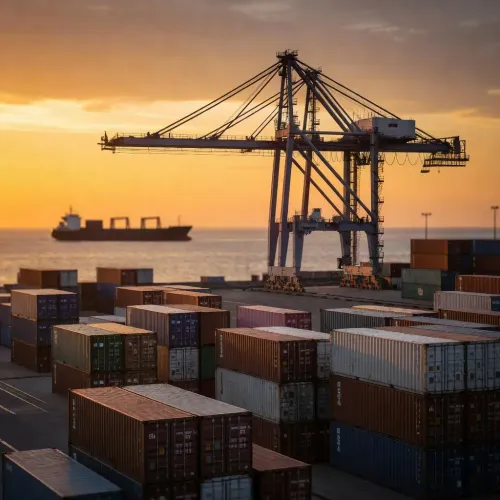
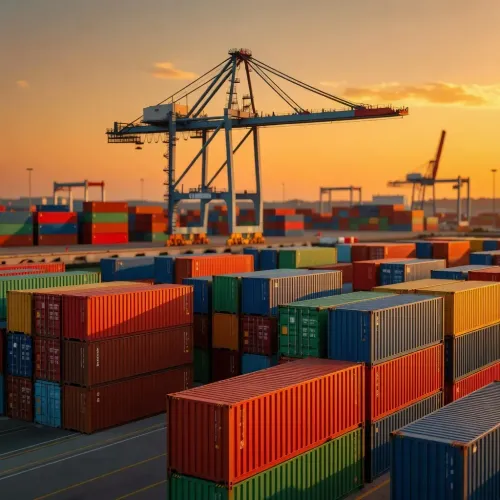
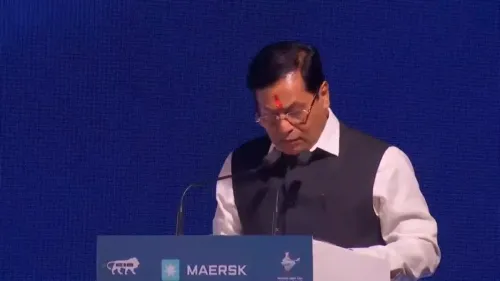
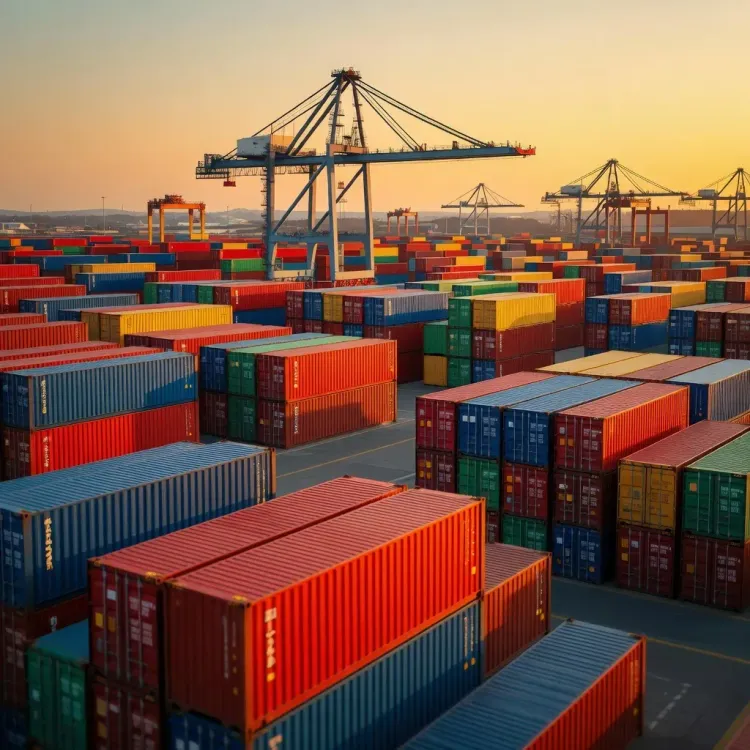
India's container manufacturing sector is staring down a transformation: Union Minister of Ports, Shipping and Waterways Sarbananda Sonowal has announced an ambition to scale the country's annual container production capacity nearly ten-fold, targeting 7.5 lakh TEUs per year — a figure that, if achieved, would fundamentally reshape India's position in global maritime supply chains.
Capital, costs, and certification: the three-pillar push
The plan rests on three simultaneous interventions. Targeted support for capital investment would lower the entry barrier for domestic manufacturers looking to set up or expand container fabrication units. Parallel relief on operational costs would make Indian-built containers price-competitive against established overseas suppliers. And critically, investment in testing and certification infrastructure would give domestic products the international credibility needed to enter global shipping lanes — a bottleneck that has historically kept Indian manufacturers out of serious contention.
The minister's statement, posted on 28 October 2026, frames the initiative squarely around three strategic goals: scaling domestic manufacturing capability, cutting import dependence, and fortifying the resilience of India's maritime and logistics supply chains.
Why containers, and why now
The global container shortage that cascaded through supply chains between 2020 and 2022 exposed a glaring vulnerability: the world's container manufacturing base was overwhelmingly concentrated in a single geography, leaving importers and exporters alike at the mercy of capacity constraints and freight-rate spikes. India, a nation with coastline on two seas and one of the world's fastest-growing trade volumes, had almost no domestic production buffer. The lesson was stark.
That logic feeds directly into the broader Atmanirbhar Bharat framework — the self-reliance initiative launched in 2019-2020 — which has since extended into maritime equipment as a strategic priority. The Maritime India Vision 2030, released in 2021, had already flagged port-led manufacturing capacity as a long-range goal. Sonowal's announcement now attaches a specific, headline-grabbing output number to that vision.
What 7.5 lakh TEUs means for India's logistics chain
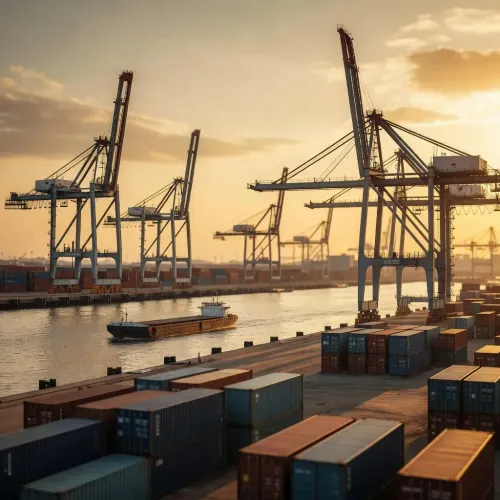
At 7.5 lakh TEUs annually, India would move from near-negligible domestic production to a scale that could meaningfully supply its own shipping industry and potentially export surplus capacity to regional partners. The Ministry of Ports, Shipping and Waterways oversees a logistics ecosystem handling hundreds of millions of tonnes of cargo each year; domestically manufactured containers feeding into that system would compress lead times, reduce foreign-exchange outflows, and insulate freight operators from global supply shocks.
The direct beneficiaries are domestic container manufacturers, the broader logistics and shipping industry, and exporters who today absorb the cost and delay of sourcing equipment from abroad. Rollout details — scheme notifications and any linked budget allocations in the coming fiscal cycle — are the critical next markers to watch. The ambition is on the record. The machinery that delivers it is what will determine whether 7.5 lakh TEUs becomes a milestone or just a headline.
Point of View
Audacious output number — 7.5 lakh TEUs — onto what had been a broadly stated Maritime India Vision 2030 aspiration, signalling that the ministry is moving from framework to deliverable. The three-pillar design (capital, operations, certification) mirrors the template used in electronics and defence manufacturing under Atmanirbhar Bharat, suggesting a replicable industrial-policy playbook being extended into maritime equipment. The timing, post the 2020-22 global container crisis, is not accidental — it is precisely the kind of supply-chain vulnerability that gives political weight to import-substitution arguments. Whether scheme notifications and budget lines follow will be the real test of whether this is a credible industrial target or a diplomatic signal to the sector.
NationPress
28 Oct 2026
Frequently Asked Questions
What is India's target for container manufacturing capacity?
Union Minister Sarbananda Sonowal has announced a target of 7.5 lakh TEUs annually — nearly ten times the current domestic capacity — to be achieved through capital investment support, operational cost relief, and certification infrastructure development.
What is a TEU in shipping?
TEU stands for Twenty-foot Equivalent Unit, the standard international measure of container capacity. One TEU equals one standard 20-foot intermodal shipping container.
How does this container push relate to Atmanirbhar Bharat?
The initiative falls under the broader Atmanirbhar Bharat self-reliance framework, which seeks to reduce India's dependence on imports in strategic sectors including maritime equipment and logistics infrastructure.
Why is India looking to build containers domestically?
Global supply-chain disruptions exposed India's near-total reliance on overseas container manufacturers. Domestic production aims to cut import costs, reduce foreign-exchange outflows, and insulate the logistics sector from future global shocks.
What is Maritime India Vision 2030?
Maritime India Vision 2030 is a policy framework released in 2021 that outlines long-range targets for port-led development, shipping capacity, and maritime manufacturing — the broader strategic document Sonowal's announcement builds upon.