Sonowal: India targets 7.5 lakh TEU container capacity
Synopsis
Union Minister Sarbananda Sonowal has announced ₹10,000 crore in budget support for domestic container manufacturing, targeting 7.5 lakh TEUs of annual capacity. The move aims to reduce import dependence, create jobs, enable technology transfer, and position India as a global container export hub.
Key Takeaways
₹10,000 crore in budgetary support has been announced for domestic container manufacturing in India.
The government is targeting an annual production capacity of 7.5 lakh TEUs (Twenty-foot Equivalent Units).
The initiative aims to drive job creation and facilitate technology transfer to Indian industry.
India is being positioned as a global export hub for high-quality shipping containers.
The push aligns with the Atmanirbhar Bharat campaign and the National Logistics Policy of 2022 .
Integration with PM Gati Shakti and the Sagarmala Project is expected to anchor the rollout.
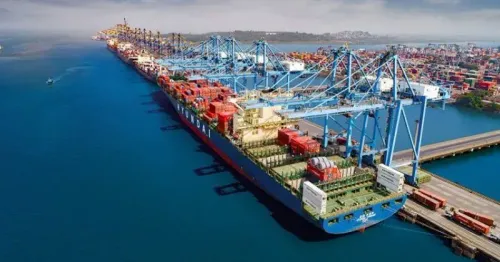
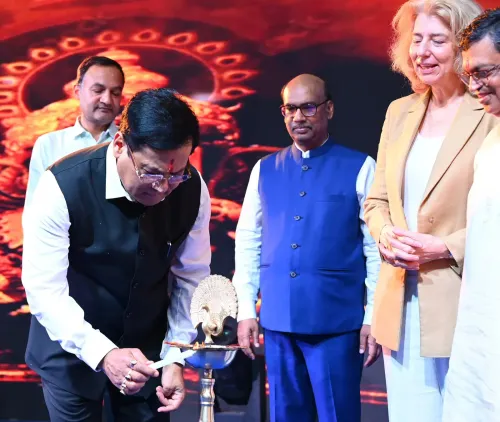
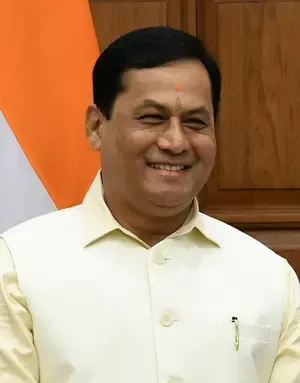
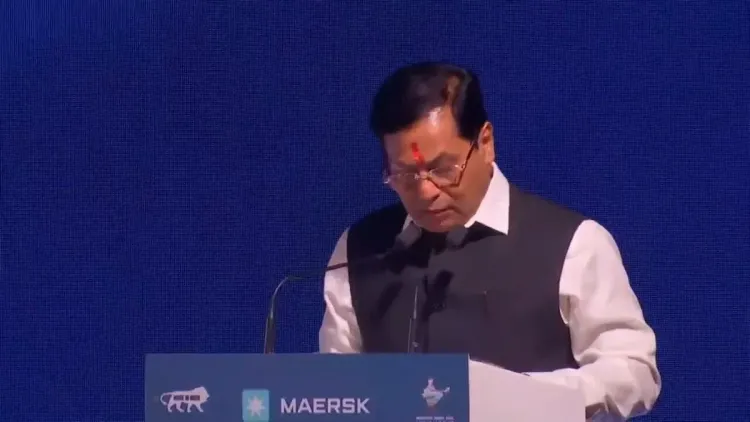
Union Minister of Ports, Shipping and Waterways Sarbananda Sonowal on Friday, 3 July 2026 announced that India is pursuing a major push toward self-reliance in global trade logistics, backed by ₹10,000 crore in budget support for domestic container manufacturing and a target annual capacity of 7.5 lakh TEUs.
Context
Sonowal's post outlines three pillars of what the Ministry of Ports, Shipping and Waterways is positioning as a structural shift in India's logistics ecosystem. The government is committing ₹10,000 crore in budgetary support to catalyse domestic container production, aiming to reduce the country's dependence on imported containers — a segment long dominated by China.
The minister stated the initiative targets an annual manufacturing capacity of 7.5 lakh TEUs (Twenty-foot Equivalent Units), with twin objectives of driving job creation and facilitating technology transfer to Indian industry. The announcement also frames India as a potential global export hub for high-quality containers.
Policy Backdrop
The push sits within a broader policy lineage that spans several years. The Sagarmala Project, launched in 2015, laid the groundwork for port-led logistics growth, while the National Logistics Policy of 2022 set benchmarks to reduce India's logistics costs and improve trade efficiency. Both initiatives have sought to modernise the supply chain from port infrastructure outward.
Container manufacturing specifically aligns with the Atmanirbhar Bharat campaign announced in 2020, which prioritised domestic production to curtail import dependence across strategic sectors. The Make in India framework has similarly linked port modernisation with manufacturing incentives. Global supply-chain disruptions during the COVID-19 pandemic underscored the vulnerability of relying on a narrow base of container suppliers, accelerating interest in domestic alternatives.
The initiative is also expected to integrate with the PM Gati Shakti National Master Plan, which coordinates multimodal infrastructure investment across ministries to reduce friction in freight movement.
Stakeholders and Impact
The shipping industry, exporters, and the broader manufacturing sector stand to be directly affected. A domestic container manufacturing base would give Indian exporters more predictable access to equipment, potentially lowering costs during periods of global container shortages — a recurring pain point for small and medium exporters.
Technology transfer provisions, if realised, could help Indian firms build competencies in specialised container types including refrigerated and tank containers, segments where import dependence has historically been acute. Port-adjacent industrial clusters are likely candidates for hosting new manufacturing units, potentially generating employment in coastal states.
For the wider global trade community, a credible Indian container export capacity would represent a meaningful addition to supply-chain diversification options beyond existing dominant producers.
What's Next
The critical questions now centre on implementation: how the ₹10,000 crore budgetary allocation will be structured — whether as direct capital support, production-linked incentives, or a blended mechanism — and which entities will be eligible to establish manufacturing units. Integration with existing port infrastructure under Sagarmala and PM Gati Shakti will determine how quickly new capacity can be operationalised.
If the 7.5 lakh TEU annual capacity target is achieved, India would move from being a net importer of containers to a significant producer, with the potential to compete in export markets — a shift that would mark a tangible milestone in the country's Atmanirbhar Bharat ambitions for trade logistics.
Point of View
Targeted programme — a notable escalation in ambition. The ₹10,000 crore commitment, if delivered through a well-structured incentive mechanism, could meaningfully dent India's reliance on Chinese-made containers, which became a strategic vulnerability during pandemic-era supply disruptions. Framing India as a future container exporter — rather than merely a self-sufficient producer — reflects a more assertive posture in global trade logistics, consistent with the broader arc of Atmanirbhar Bharat moving from defensive import substitution toward offensive export competitiveness. The real test will be whether implementation timelines and private-sector uptake match the scale of the stated targets.
NationPress
2 Oct 2026
Frequently Asked Questions
What is India's container manufacturing target announced by Sonowal?
Union Minister Sarbananda Sonowal announced a target annual container manufacturing capacity of 7.5 lakh TEUs , backed by ₹10,000 crore in budget support, with the goal of making India a global container export hub.
What is a TEU in shipping?
A TEU, or Twenty-foot Equivalent Unit, is the standard measure for shipping container capacity. One TEU equals one standard 20-foot intermodal container, the basic unit used globally to count container volumes.
Why is India investing in domestic container manufacturing?
India has historically depended on imported containers, particularly from China. Domestic manufacturing reduces this dependence, lowers costs for exporters, creates jobs, and aligns with the government's Atmanirbhar Bharat self-reliance campaign.
How does this relate to the Sagarmala Project?
The Sagarmala Project , launched in 2015, promotes port-led logistics growth and is a key policy ancestor of this initiative. New container manufacturing units are expected to integrate with port infrastructure developed under Sagarmala and the PM Gati Shakti framework.
What is the National Logistics Policy and how does it connect to this announcement?
The National Logistics Policy , released in 2022, aims to cut India's logistics costs and improve trade efficiency. Domestic container manufacturing directly supports this goal by reducing equipment import costs and improving supply-chain predictability for Indian exporters.