Sopore Police register FIR over mule accounts used in cyber fraud
Synopsis
Sopore's Cyber Police have filed an FIR targeting mule account operators — the often-invisible backbone of India's cyber fraud ecosystem. The case underscores how digital financial crime has penetrated even sub-divisional policing in Jammu and Kashmir, and how ordinary citizens, lured by easy-money offers, are being drawn into criminal networks they may not fully understand.
Key Takeaways
Sopore Cyber Police Station registered an FIR on 1 July against individuals facilitating cyber fraud via mule bank accounts.
Mule accounts are third-party bank accounts used by criminals to route and conceal illegally obtained funds.
Recruitment of mule holders happens through job scams, phishing emails, and social media commission offers.
Account holders whose details are misused for fraud may face criminal liability under Indian law.
Police have warned the public not to share ATM cards , UPI IDs , OTPs , or internet banking credentials with anyone.
Mule accounts are linked to crimes including phishing, online fraud, human trafficking, and terrorism financing.
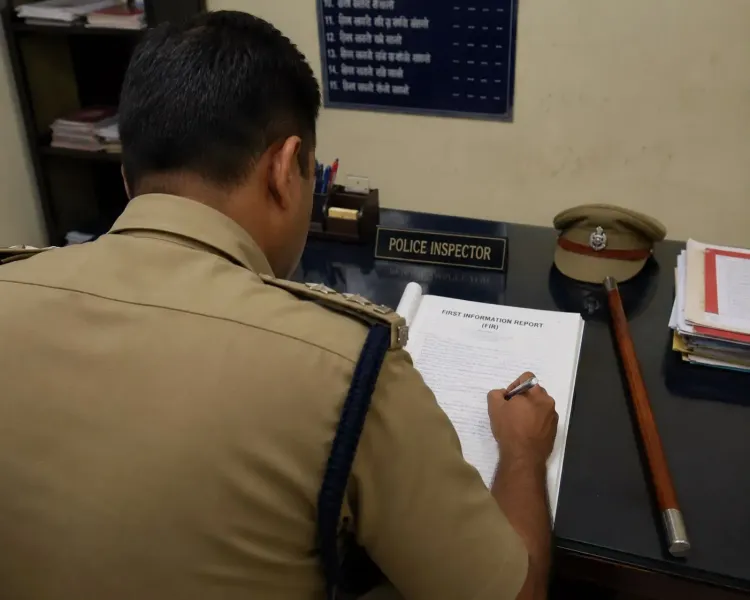
Jammu and Kashmir Police in the Sopore sub-division on Wednesday, 1 July registered a First Information Report (FIR) against individuals allegedly facilitating cyber financial fraud through the use of mule bank accounts. The action was taken by the Cyber Police Station, Sopore, as part of an intensified crackdown on digital crime networks that enable fraudsters to route and conceal illegally obtained money.
What the FIR Targets
The FIR names persons accused of knowingly or unknowingly allowing their bank accounts to be used by cybercriminals to launder stolen funds. Officials confirmed the case falls under an ongoing drive to dismantle financial networks that support cyber fraud operations across the region.
A mule account, in this context, refers to a bank account controlled or shared by a third party — the so-called 'money mule' — through which criminals route illegal transactions. These accounts are typically used for a limited window before fraudsters move on to fresh ones, making detection difficult.
How Mule Accounts Are Recruited
According to officials, mule account holders are recruited both knowingly and unknowingly. Scammers commonly pose as employers, acquaintances, or online contacts, promising easy commissions for 'receiving and forwarding' funds. Recruitment channels include job scams, phishing emails, and social media messages offering quick income in exchange for sharing banking credentials.
Once criminals gain access, they route illegal transactions through these accounts — often linked to phishing, online fraud, human trafficking, and, in more serious cases, terrorism financing.
Police Advisory to the Public
Officials have urged citizens not to share their bank account details, ATM cards, cheque books, internet banking credentials, UPI IDs, or OTPs with any individual or entity. Police warned that account holders whose details are misused for fraudulent transactions may themselves face criminal liability under applicable law.
The public has also been cautioned against falling for offers of easy money or commissions in exchange for permitting others to operate through their accounts. 'Remain vigilant,' officials said, noting that the growing sophistication of digital fraud has made mule accounts a significant and escalating threat to financial ecosystems.
Broader Context
This is part of a wider national push to curb cyber financial crime. India has seen a sharp rise in mule account-linked fraud cases in recent years, with the Ministry of Home Affairs flagging the trend as a priority concern. The Indian Cybercrime Coordination Centre (I4C) has previously identified mule account networks as a core enabler of large-scale digital fraud, particularly in states with high digital payment penetration. The Sopore FIR signals that enforcement is now reaching sub-divisional levels in Jammu and Kashmir, reflecting both the geographic spread of the problem and a more granular policing response.
Authorities are expected to pursue further arrests as the investigation progresses.
Point of View
A region where security policing has historically dominated resources. Mule account networks are the connective tissue of India's cyber fraud economy — without them, large-scale digital theft cannot be monetised. Yet public awareness remains dangerously low, and the line between victim and accomplice is legally thin. Enforcement alone will not solve this; the real gap is in financial literacy at the grassroots, particularly in smaller towns where job-scam lures find fertile ground.
NationPress
30 Sept 2026
Frequently Asked Questions
What is a mule bank account and why is it used in cyber fraud?
A mule bank account is a third-party account used by cybercriminals to receive, hold, or transfer stolen or illegally obtained funds. Fraudsters use these accounts to distance themselves from the crime and make money trails harder to trace.
Who registered the FIR in the Sopore mule accounts case?
The Cyber Police Station in Sopore, Jammu and Kashmir, registered the FIR on 1 July against individuals allegedly facilitating cyber fraud through mule bank accounts. The action is part of an intensified regional crackdown on cyber financial crime.
Can a person be arrested for unknowingly allowing their account to be used for fraud?
Yes, according to police, account holders whose banking details are misused for fraudulent transactions may face criminal liability even if they were unaware of the fraud. Police have urged citizens to never share account credentials, OTPs, or UPI IDs with anyone.
How do fraudsters recruit money mules?
Fraudsters typically pose as employers, online contacts, or acquaintances and offer easy commissions for 'receiving and forwarding' funds. Common recruitment methods include fake job offers, phishing emails, and social media messages promising quick income in exchange for sharing bank account details.
What should citizens do to avoid becoming a money mule?
Police advise the public to never share ATM cards, cheque books, internet banking credentials, UPI IDs, or OTPs with any individual or organisation. Citizens should be especially wary of unsolicited offers of easy money or commissions linked to banking activity.