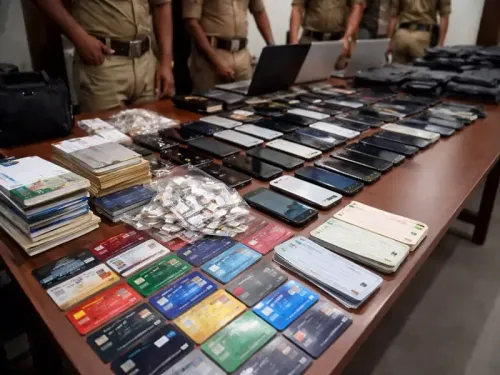
Operation Mule Hunt: 152 arrested in Pune cyber fraud money trail crackdown

Synopsis
Operation Mule Hunt has netted 152 arrests and 132 mule account cases in Pune — but the more striking number is 3,804: the combined count of inter-state notices issued and received, exposing a cyber fraud money-laundering network that stretches well beyond Maharashtra and points to a systemic national problem hiding in plain sight inside ordinary bank accounts.
Key Takeaways
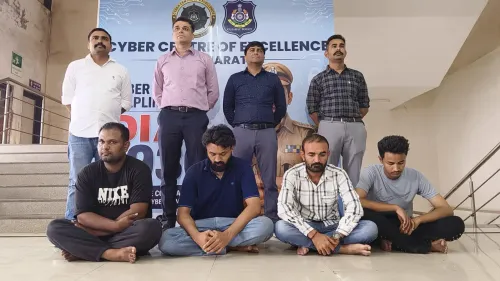
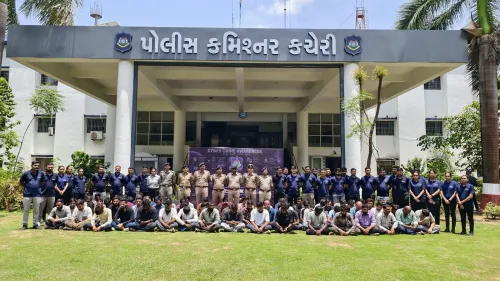
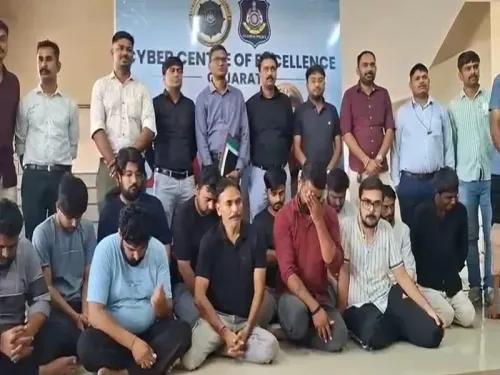
Pune Police and Maharashtra Cyber have arrested 152 accused under Operation Mule Hunt as of 1 August 2026 .
Cases registered against 132 mule account holders ; charge sheets already filed in multiple cases.
Police are acting on 1,705 notices from other states and have issued 2,099 notices to mule account holders in other states.
Arrests span Pune , Mumbai , Navi Mumbai , Chhatrapati Sambhajinagar , and several other states.
Individuals who lend bank accounts, ATM cards, or SIM cards to fraudsters face prosecution as co-accused.
1,142 cyber awareness programmes conducted in 2026 , reaching nearly 3 lakh people across Pune.
Pune Police, in a sweeping crackdown on cyber fraud financing, have arrested 152 accused and registered cases against 132 mule account holders under Operation Mule Hunt, an ongoing joint campaign with Maharashtra Cyber to dismantle banking channels used to launder proceeds of online fraud. The operation, active as of 1 August 2026, targets the financial infrastructure that allows cybercriminals to move and conceal illegally obtained funds.
How Mule Accounts Fuel Cybercrime
According to police officials, cybercriminals rely on mule bank accounts — operated by individuals who knowingly or unknowingly lend their financial credentials — to layer and transfer money collected through online scams. By disrupting these intermediary accounts, investigators aim to cut off the cash flow that sustains large-scale cyber fraud networks.
Arrests have been made across Pune, Mumbai, Navi Mumbai, Chhatrapati Sambhajinagar, and several other states, indicating the network's geographic spread well beyond Maharashtra. Charge sheets have already been filed in multiple cases.
Scale of the Operation
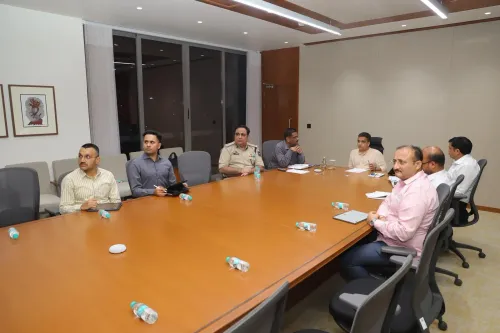
Investigators are currently acting on 1,705 notices received from other states through the Coordination Portal, while Pune Police have simultaneously issued 2,099 notices to mule account holders located in other states. Detailed examinations of bank transactions, mobile call records, digital payment trails, and other technical evidence are underway.
Notably, the dual notice exchange — receiving and issuing notices across state lines — reflects a coordinated national effort to trace money trails that routinely cross jurisdictions, a structural challenge that has historically slowed cyber fraud prosecutions in India.
Warning to Account Lenders
Officials have issued a clear warning: individuals who knowingly provide their bank accounts, ATM cards, SIM cards, or other documents to cybercriminals in exchange for money or other benefits will be treated as co-accused and face legal action. This marks a deliberate shift in enforcement posture — from targeting only the end fraudsters to holding the financial enablers equally accountable.
Public Awareness Push
Beyond arrests, Pune Police have conducted 1,142 cyber awareness programmes across the city in 2026, reaching nearly 3 lakh people with cyber safety messaging. The 'Campus Connect Safe Horizon' initiative is extending these campaigns to schools, colleges, IT companies, housing societies, and government offices.
Police have urged citizens not to share bank account details, ATM cards, cheque books, net banking credentials, OTPs, SIM cards, mobile numbers, email IDs, Aadhaar, or PAN information with unknown persons, and to report suspected mule account operators to the nearest police station or cyber police unit.
With charge sheets filed and inter-state notices in motion, the next phase of Operation Mule Hunt is expected to widen the net further as technical evidence analysis progresses.
Point of View
But the real signal is in the notice numbers — 3,804 inter-state exchanges reveal that Pune's cyber fraud problem is a node in a national network, not a local one. The decision to prosecute mule account holders as co-accused is the sharpest legal tool deployed here; it shifts the cost of complicity onto ordinary citizens who sell their credentials for small fees, which is where the supply chain is most vulnerable. What remains untested is whether the courts will sustain co-accused charges against unwitting account lenders versus knowing ones — a distinction that will determine whether this deterrence holds.
NationPress
16 Sept 2026
Frequently Asked Questions
What is Operation Mule Hunt in Pune?
Operation Mule Hunt is a joint crackdown by Pune Police and Maharashtra Cyber targeting mule bank accounts used to launder proceeds of cyber fraud. As of 1 August 2026, the operation has resulted in 152 arrests and cases against 132 mule account holders, with investigations spanning multiple states.
What is a mule bank account and why is it used in cybercrime?
A mule bank account is a bank account operated by an individual — knowingly or otherwise — to receive and transfer funds on behalf of cybercriminals, helping launder the proceeds of online fraud. Fraudsters use these accounts to layer money across multiple transactions, making it harder for investigators to trace the origin of funds.
Who can be arrested under Operation Mule Hunt?
Police have stated that anyone who knowingly provides their bank account, ATM card, SIM card, or related documents to cybercriminals in exchange for money or benefits will be treated as a co-accused and face legal action — not just the primary fraudsters.
How many notices have been issued and received across states?
Pune Police are acting on 1,705 notices received from other states via the Coordination Portal, and have simultaneously issued 2,099 notices to mule account holders in other states, reflecting the pan-India scale of the network.
What should citizens do to avoid becoming mule account holders?
Pune Police advise citizens never to share bank account details, ATM cards, cheque books, OTPs, SIM cards, Aadhaar, or PAN information with unknown persons. Anyone aware of individuals assisting cybercriminals should report them to the nearest police station or cyber police unit immediately.