CM Hemant Soren Orders Probe Into Hazaribag Land Mutation Delays
Synopsis
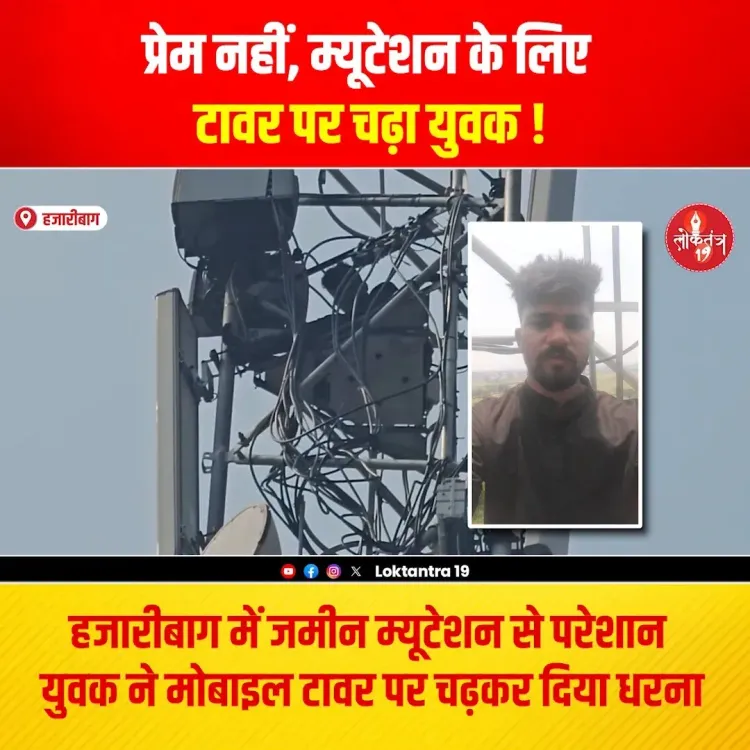
Jharkhand Chief Minister Hemant Soren publicly directed the Hazaribag Deputy Commissioner on June 5, 2026, to probe delayed land mutations and warned all 24 district heads that pendency beyond prescribed timelines will invite strict action against responsible officials.
Key Takeaways
Hemant Soren publicly directed Hazaribag DC on June 5, 2026 to immediately investigate delayed land mutation cases.
The CM warned that if guilt is established, strict action will be taken against the responsible official or employee.
All Deputy Commissioners across Jharkhand were simultaneously ordered to ensure no mutation remains pending beyond the prescribed timeline in any circle.
Jharkhand's JharBhoomi portal and the Right to Public Services Act, 2011 already mandate time-bound disposal of mutation applications.
Delayed mutations particularly affect tribal landowners whose rights under tenancy laws depend on accurate revenue records.
District-wise compliance reports to the CMO and potential disciplinary action against non-compliant revenue staff are expected to follow.
Jharkhand Chief Minister Hemant Soren on Friday, June 5, 2026, publicly directed Hazaribag Deputy Commissioner to take immediate cognisance of a complaint regarding delayed land mutations and initiate an inquiry, warning of strict action against guilty officials. Addressing all Deputy Commissioners across the state in the same post, he ordered that no mutation case in any circle should remain pending beyond the prescribed time limit.
Posting in Hindi on X, Soren wrote: 'DC Hazaribag tatkal sangyaan lein evam jaanch karein. Agar dosh siddh hota hai toh doshi adhikari/karmchari par kadi karvai sunishchit karte hue soochna dein.' — 'Deputy Commissioner Hazaribag should take immediate cognisance and investigate. If guilt is established, ensure strict action against the guilty official or employee and inform accordingly.' He added that all Deputy Commissioners must ensure no mutation in any circle remains pending beyond the fixed timeline.Context
Hazaribag, a district in northern Jharkhand, came under direct scrutiny from the Chief Minister's Office after what appears to be a public complaint flagged on social media. Land mutation — the process of updating revenue records after a property transaction or inheritance — is a critical service for citizens, particularly in a state where land rights intersect with tribal ownership protections. Soren's directive singles out Hazaribag for an immediate inquiry while simultaneously issuing a statewide instruction to all district heads.
Policy Backdrop
Jharkhand has operated the JharBhoomi portal since 2015 to digitise land records and enforce time-bound disposal of mutation applications. The Jharkhand Right to Public Services Act, 2011, prescribes fixed timelines for mutation orders and includes a deemed-approval clause in cases of official delay, placing a legal obligation on revenue staff to act within the stipulated period. Despite these frameworks, pendency in mutation cases has remained a recurring administrative challenge across successive governments in the state.
The directive is consistent with a broader pattern of the state government issuing high-visibility public instructions to district administration via social media — a governance style that creates a public accountability trail for compliance by Deputy Commissioners and circle officers.
Stakeholders and Impact
The most directly affected are ordinary citizens awaiting mutation orders — including those seeking to formalise inherited land, complete property purchases, or resolve boundary disputes. In Jharkhand, delayed mutations disproportionately affect tribal communities, whose land rights under the Chotanagpur Tenancy Act and Santhal Parganas Tenancy Act depend on accurate, up-to-date revenue records. Revenue department officials, particularly circle officers and revenue inspectors, now face the prospect of show-cause notices or transfers if pendency targets are not met.
All Deputy Commissioners across Jharkhand's 24 districts have been put on notice. The Chief Minister's public framing — linking individual accountability to a statewide instruction — raises the administrative stakes for non-compliance beyond routine departmental circulars.
What's Next
The Hazaribag Deputy Commissioner is expected to submit an inquiry report to the Chief Minister's Office, with action against erring officials if the complaint is substantiated. Across the state, district administrations will likely accelerate disposal of pending mutation files to avoid similar public scrutiny. Observers will watch for district-wise mutation pendency data submitted to the CMO and whether any revenue officials face formal disciplinary proceedings in the coming weeks.
Point of View
Compressing the accountability loop. The move fits a pattern of the JMM-led government using high-visibility digital interventions to signal responsiveness on land rights, an issue with deep electoral resonance in Jharkhand given the state's tribal demography. By coupling a specific inquiry order for Hazaribag with a blanket statewide instruction, Soren avoids the appearance of selective action while maximising administrative pressure across all 24 districts. The real test will be whether the directive translates into measurable reduction in mutation pendency or remains a one-off public rebuke.
NationPress
20 Oct 2026
Frequently Asked Questions
What did Hemant Soren order regarding Hazaribag land mutations?
Chief Minister Hemant Soren on June 5, 2026, directed the Hazaribag Deputy Commissioner to take immediate cognisance of delayed land mutation cases, conduct an inquiry, and ensure strict action against any official found guilty.
What is land mutation and why does it matter in Jharkhand?
Land mutation is the process of updating government revenue records to reflect a change in land ownership through sale, inheritance, or gift. In Jharkhand, timely mutation is especially important for tribal communities whose land rights under state tenancy laws depend on accurate revenue records.
What is the JharBhoomi portal?
JharBhoomi is Jharkhand's official online portal, operational since 2015, for accessing land records and filing mutation applications. It was introduced to digitise revenue services and enforce time-bound disposal of mutation requests.
What law prescribes timelines for land mutation in Jharkhand?
The Jharkhand Right to Public Services Act, 2011, prescribes fixed timelines for mutation orders and includes a deemed-approval provision if officials fail to act within the stipulated period.
What action can be taken against officials who delay land mutations in Jharkhand?
Under the Chief Minister's directive, Deputy Commissioners are required to ensure no mutation remains pending beyond the prescribed deadline. Officials found responsible for unjustified delays can face strict disciplinary action, including show-cause notices or transfers.