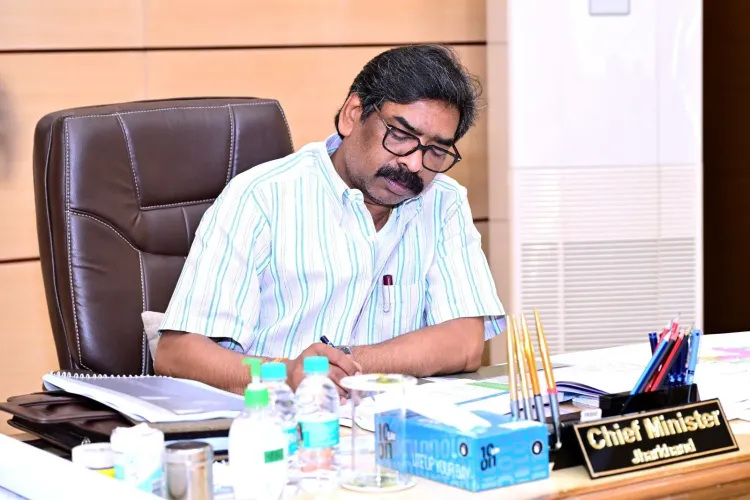
CM Hemant Soren reviews Jharkhand Mines and Geology Department
Synopsis
Jharkhand Chief Minister Hemant Soren reviewed the Mines and Geology Department and directed officials on key departmental functions, the state CMO said. The meeting puts the spotlight back on royalty collection, lease regulation and curbs on illegal mining in a state where minerals drive a large share of own-tax revenue.
Key Takeaways
CM Hemant Soren reviewed the Mines and Geology Department on 3 June 2026 .
The Chief Minister issued directions to senior officials during the meeting.
Mining is a major contributor to Jharkhand's own-tax revenue and employment.
The Jharkhand Mineral Policy 2016 guides current lease and royalty rules.
Follow-up is expected on lease renewals, royalty revisions and DMF fund use.
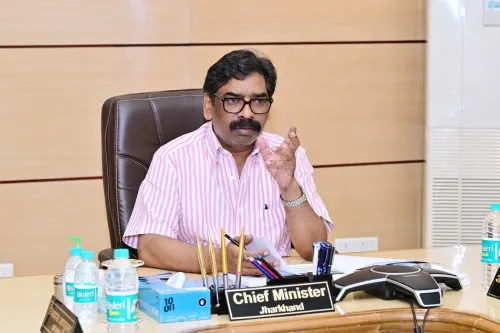
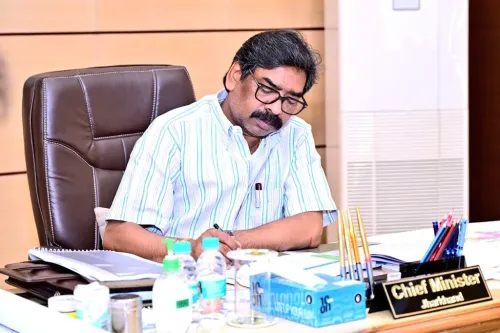
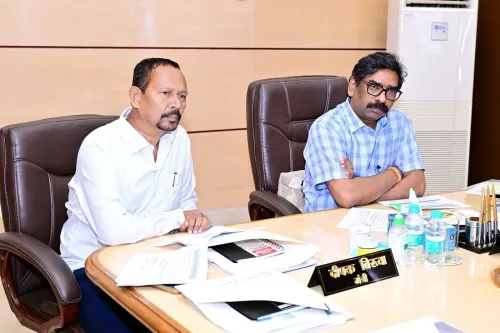
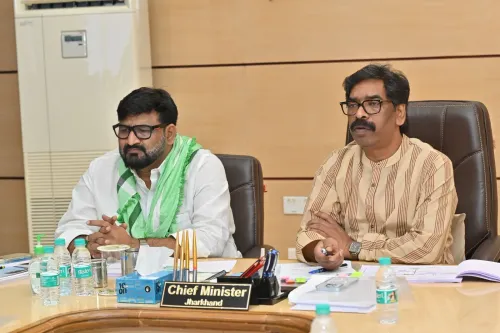
The Chief Minister's Office of Jharkhand on 3 June 2026 said Chief Minister Hemant Soren chaired a review of the state's Mines and Geology Department and issued fresh directions to senior officials on departmental functioning. The meeting, held in Ranchi, focused on the working of one of Jharkhand's most revenue-critical departments.
In its post, the CMO stated, 'Chief Minister Shri Hemant Soren reviewed the work of the Mines and Geology Department. During this, he gave necessary directions to officials.' The original Hindi line — 'खान एवं भूतत्व विभाग के कार्यों की समीक्षा' (review of the work of the Mines and Geology Department) — frames the meeting as a routine but high-stakes departmental audit. Three photographs accompanied the post.
Context
Hemant Soren, leader of the Jharkhand Mukti Morcha (JMM), has returned to the Chief Minister's chair across multiple terms with a stated emphasis on mineral resource governance and tribal welfare. The Mines and Geology Department is among the most closely watched arms of the Jharkhand government because mineral royalties form a significant share of the state's own-tax revenue.
The department oversees mineral exploration, lease regulation, royalty collection and enforcement against illegal extraction. Periodic chief ministerial reviews are a standard mechanism through which targets are reset and pendency in approvals is flagged.
Policy backdrop
Jharkhand holds among the largest reserves of coal, iron ore, bauxite and other minerals in India. The state's mining regime was overhauled under the Jharkhand Mineral Policy 2016, which followed the 2015 amendment to the central Mines and Minerals (Development and Regulation) Act mandating transparent auction of mining leases.
Since then, successive state governments have iterated on lease auction calendars, royalty heads and the use of the District Mineral Foundation (DMF) fund, which is meant to be spent on welfare in mining-affected areas. Reviews such as Wednesday's typically touch on each of these levers, though the CMO did not disclose the agenda in detail.
Stakeholders and impact
The decisions taken in such review meetings ripple across several constituencies. State mining officials face revised targets on royalty realisation and enforcement against illegal mining. Mineral lessees — from large public-sector miners to smaller private operators — watch for signals on lease renewals and compliance timelines.
For tribal communities in districts such as West Singhbhum, Dhanbad, Ramgarh and Hazaribagh, departmental priorities feed directly into DMF-funded health, education and drinking-water projects. Environmental clearances and the rehabilitation of land affected by extraction are also tied to the department's coordination with central agencies.
What's next
The follow-through from this review is likely to be visible in subsequent file movements on lease renewals, any revisions to royalty rates within the state's powers, and the next round of DMF fund allocations. The upcoming state budget cycle will indicate whether targets discussed in the meeting translate into revised revenue projections from the mining sector.
As Jharkhand seeks to balance mineral-led revenue with environmental and tribal concerns, the trajectory of the Mines and Geology Department under direct chief ministerial supervision will remain a central marker of the state's governance priorities.
Point of View
Every signal on mining governance is read by lessees, central agencies and tribal-area stakeholders alike. Hemant Soren's direct supervision of the Mines and Geology Department fits a longer pattern in which JMM-led governments have tied mineral revenue more tightly to welfare spending in mining-affected districts. The next budget will reveal whether this review reset targets or merely reaffirmed them.
NationPress
20 Sept 2026
Frequently Asked Questions
Who reviewed the Jharkhand Mines and Geology Department?
Chief Minister Hemant Soren reviewed the Mines and Geology Department, according to the Jharkhand Chief Minister's Office. He issued directions to senior departmental officials during the meeting on 3 June 2026.
Why is the Mines department important in Jharkhand?
The Mines and Geology Department is critical because Jharkhand holds major reserves of coal, iron ore and other minerals, and royalty collections form a significant share of the state's own-tax revenue. The department also regulates leases and acts against illegal mining.
What is the Jharkhand Mineral Policy 2016?
The Jharkhand Mineral Policy 2016 is the state framework for mineral exploration, lease grants and royalty administration. It was aligned with the 2015 amendment to the central MMDR Act that mandated transparent auctions of mining leases.
What is the District Mineral Foundation fund?
The District Mineral Foundation, or DMF, is a fund created from contributions by mining lease holders to be spent on welfare in mining-affected districts. In Jharkhand, it funds projects in health, education, drinking water and livelihoods.
What happens after a Chief Minister's review of a department?
After such a review, the department typically operationalises the directions through file orders, revised targets and follow-up meetings. The visible outcomes often appear in subsequent budget allocations and policy notifications.