CM Hemant Soren reviews Jharkhand mines, orders revenue plan
Synopsis
Jharkhand Chief Minister Hemant Soren chaired a review of the Mines and Geology Department, directing officials to submit a plan to raise mining revenue and to fast-track mapping of non-producing mines. He noted sustained growth in the state's minerals sector and pushed for further expansion, signalling tighter lease administration ahead.
Key Takeaways
Jharkhand CM Hemant Soren reviewed the Mines and Geology Department on 3 June 2026 .
He noted continuous growth in the state's mines and minerals sector compared with earlier years.
Department asked to submit a plan to raise revenue from mining.
Mapping plan sought for mines where production is not happening .
Move aligns with national push to reactivate idle leases under the MMDR Act amendments.
Outcomes likely to feed into the next Jharkhand state budget .
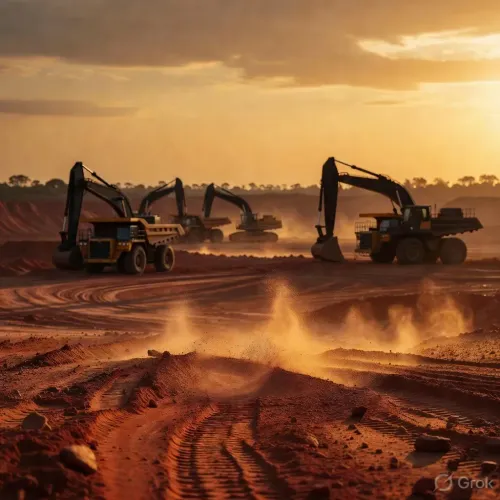
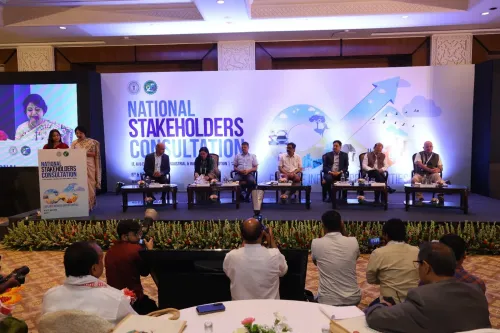
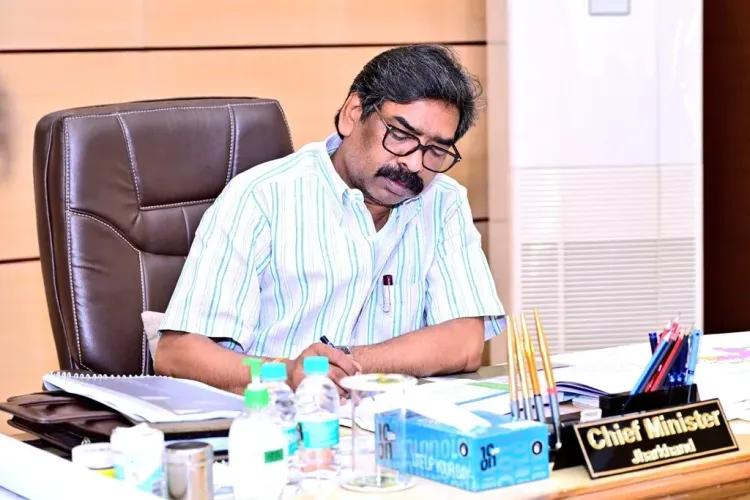
Jharkhand Chief Minister Hemant Soren on Wednesday, 3 June 2026 chaired a review meeting of the state's Mines and Geology Department in Ranchi, directing officials to submit a fresh plan to raise revenue from the mineral sector and to fast-track mapping of non-producing mines. Soren noted that Jharkhand's mining and minerals output has shown a sustained rise over earlier years and asked the department to push the trajectory further.
In his post on X following the meeting, the Chief Minister wrote that 'in today's review meeting of the Mines and Geology Department, several issues were discussed in detail — the state has registered continuous growth in the mines and minerals sector compared with the past, which is encouraging, and work should be done to take it further.' He added that the department had been asked to submit a plan to increase revenue from the mining sector, and to 'shighra (immediately) submit a plan for mapping of mines on which production is not happening', along with several other directions.
Context
Jharkhand is among India's most mineral-rich states, hosting significant reserves of coal, iron ore, bauxite and other industrial minerals. Royalties and cesses from these resources form a major pillar of the state's own non-tax revenue, making the Mines and Geology Department's performance central to fiscal planning.
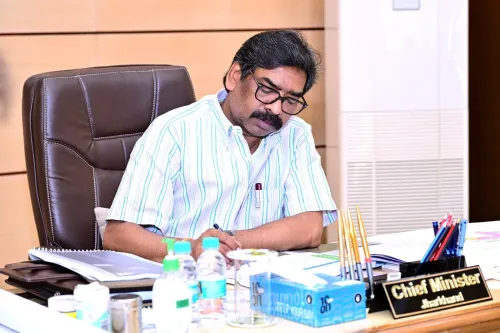
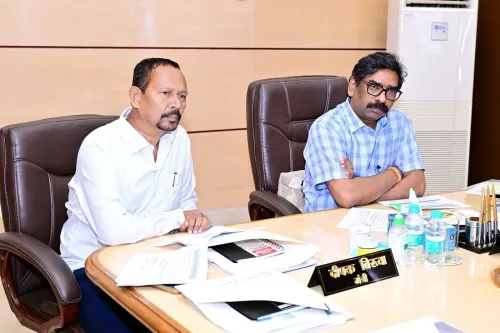
Soren, who is also the executive president of the Jharkhand Mukti Morcha (JMM), has periodically convened departmental reviews since returning to office, with mining featuring as a recurring agenda item. The four images shared alongside the post showed the Chief Minister seated with senior officials around a conference table.
Policy backdrop
The instruction to map non-producing leases echoes a broader pattern across mineral-rich Indian states following the 2015 and 2021 amendments to the MMDR Act, which sought to bring idle leases back into auction and production. States have been pressed to identify blocks where leases were granted but extraction has stalled, with a view to re-allocating them through competitive bidding.
For Jharkhand, the mapping exercise has a dual purpose — recovering dues from inactive lease-holders and unlocking fresh royalty streams from blocks that have lain dormant. The Chief Minister's emphasis on a written revenue-enhancement plan signals an attempt to formalise targets the department can be measured against.
Stakeholders and impact
The directives directly affect mining lease holders, who could face stricter scrutiny on production timelines, and the state exchequer, which stands to benefit if dormant blocks are reactivated. Tribal communities in mineral belts such as Singhbhum, Dhanbad, Hazaribagh and Sahibganj are also key stakeholders, given long-standing concerns over displacement, environmental clearances and benefit-sharing under the District Mineral Foundation framework.
Industry watchers will look for whether the revenue plan focuses primarily on coal and iron ore — the highest-yielding categories — or extends to smaller minor-mineral leases administered at the district level. The mapping exercise could also intersect with continuing efforts to curb illegal mining, a politically sensitive issue in the state.
What's next
The immediate marker will be the submission of the two plans the Chief Minister has sought — a revenue-enhancement blueprint and a mapping schedule for non-producing mines. Their contours are likely to feed into the next Jharkhand state budget and could surface in upcoming assembly sessions.
If implemented with measurable targets, the directions could shape Jharkhand's mineral revenue trajectory over the coming fiscal year and influence how other mineral-rich states structure similar reviews.
Point of View
Including flagship welfare schemes, leans on mineral royalties, and any uptick directly eases budgetary pressure. The real test will be whether the plans translate into auctioned blocks and measurable royalty inflows before the next budget cycle.
NationPress
14 Sept 2026
Frequently Asked Questions
What did Hemant Soren announce about Jharkhand mines?
He directed the Mines and Geology Department to submit a plan to increase revenue from the mining sector and to fast-track mapping of mines where production is not currently happening, after a review meeting on 3 June 2026.
Why is the Jharkhand Mines and Geology Department being asked to map non-producing mines?
Mapping non-producing mines helps identify dormant leases that can be reactivated or re-auctioned, unlocking fresh royalty revenue and aligning with the framework set by the MMDR Act amendments.
How important is mining revenue for Jharkhand?
Mining royalties form a major component of Jharkhand's own non-tax revenue, given the state's large reserves of coal, iron ore and bauxite, making the sector central to its fiscal planning.
Did the Chief Minister share any specific revenue figures?
No specific figures were disclosed in the post. Soren stated that the sector has shown continuous growth compared with earlier years and asked officials to build on it.
What happens next after this review meeting?
The Mines and Geology Department is expected to submit the revenue-enhancement plan and the mapping schedule for non-producing mines, which could feed into the next state budget and assembly discussions.