Jharkhand MMDR Act resolution: Soren flags ₹13,000 crore loss

Synopsis
Jharkhand has drawn a line against the Centre. CM Hemant Soren's Assembly resolution says the MMDR Act amendment could cost the state about ₹13,000 crore a year. He cites the Supreme Court's July 2024 ruling to argue that states can tax mineral-bearing land, setting up a new fiscal federalism clash.
Key Takeaways
CM Hemant Soren moved a resolution against the Centre's MMDR Act amendment in the Jharkhand Assembly on 26 November 2026 , and the House passed it.
Soren warned of an annual revenue loss of about ₹13,000 crore to the state.
He said the Jharkhand Mineral Bearing Land Cess Act, 2024 had generated about ₹13,000 crore , which was being used for welfare and development.
He said the amendment restricts states' power to levy taxes and cesses on mineral-bearing land and affects claims on past dues.
Soren cited the Supreme Court's July 2024 judgment to argue that states can tax land under the Seventh Schedule .
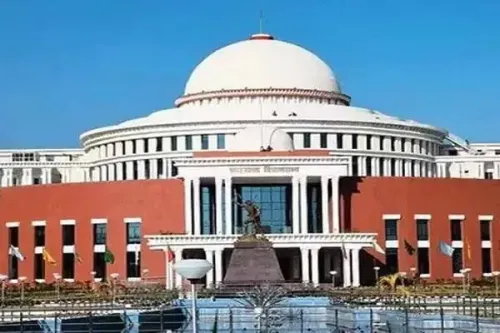
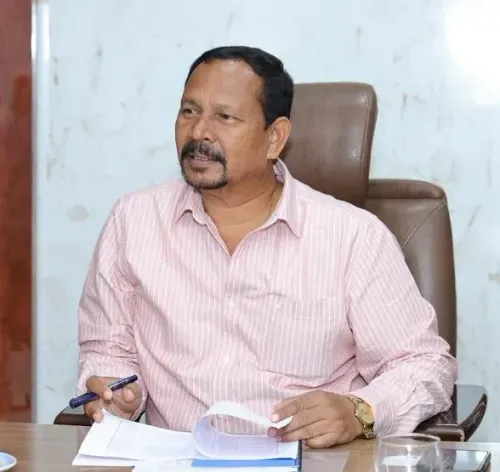
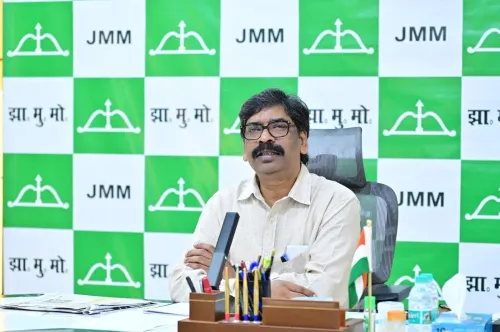
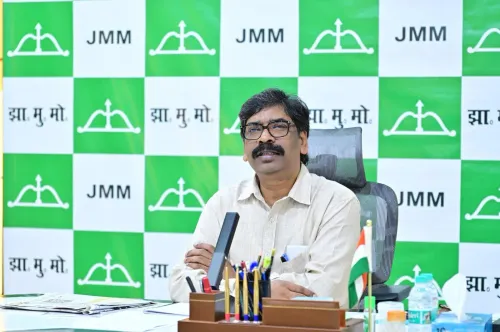
Jharkhand Chief Minister Hemant Soren on Thursday, 26 November 2026, moved a resolution in the Jharkhand Assembly in Ranchi against the Centre's recent amendment to the Mines and Minerals (Development and Regulation) Act. He demanded that the amendment be withdrawn, warning that it could cost the state about ₹13,000 crore in revenue every year. The House passed the resolution on the second day of its special session.
The move sets up a direct fiscal confrontation between the mineral-rich state and the Union government over who has the power to tax mineral-bearing land.
Key Developments in the Assembly
Soren introduced the resolution during the special session. He said the amendment passed by Parliament would hurt the state's finances and affect several public welfare schemes.
The resolution opposing the changes to the MMDR Act was subsequently adopted by the House. It formally records the state legislature's objection to the central legislation.
The Cess Law at the Centre of the Dispute
The Chief Minister said the state government had enacted the Jharkhand Mineral Bearing Land Cess Act, 2024. He said the law was meant to fund development in mining-affected regions and improve living conditions for people there.
According to Soren, the legislation had generated revenue of about ₹13,000 crore. He said this money was being used for development work and public welfare schemes.
He said the Centre's amendment had restricted the power of state governments to levy taxes and cesses on mineral-bearing land. He added that it had also affected claims related to past dues and uncollected amounts.
Impact on Mining-Affected Communities
Soren noted that Jharkhand is rich in minerals, yet people living in mining areas continue to bear the costs of extraction. He said tribal communities, Dalits and other marginalised groups face displacement, eviction, environmental degradation and social disruption.
He argued that part of the revenue from mineral resources should go towards developing these areas and supporting the people who live there. He warned that the new law would shrink the funds available for that purpose. According to him, it would also weaken efforts to improve social and economic conditions for communities hit by displacement and environmental damage.
The Constitutional Argument
Soren cited the Supreme Court's July 2024 judgment on the taxation of minerals and mineral-bearing land. He said states have the constitutional authority to tax land under the Seventh Schedule of the Constitution.
He argued that mineral-bearing land is also a form of land and can be taxed based on its value or its production. Notably, this argument places the dispute within the wider debate over fiscal federalism and how mineral wealth is shared between the Centre and the states.
What Happens Next
Soren called on the Centre to reconsider and withdraw the amendment. He said the Union government should respect the interests and financial rights of mineral-rich states.
The Centre's response to the Assembly resolution will be closely watched. Other mineral-producing states could weigh in on the same question of taxation powers.
Point of View
And their residents absorb the displacement. The resolution has no legal force, but it gives the issue political visibility, and other mineral-rich states may now be pressed to say where they stand.
NationPress
26 Nov 2026
Frequently Asked Questions
What resolution did Hemant Soren move in the Jharkhand Assembly?
Hemant Soren moved a resolution opposing the Centre's amendment to the Mines and Minerals (Development and Regulation) Act and demanding its withdrawal. The Assembly passed it on the second day of its special session on 26 November 2026.
How much revenue does Jharkhand say it will lose?
Soren said the amendment could cause an annual revenue loss of about ₹13,000 crore to Jharkhand. He said this would hit several public welfare schemes.
What is the Jharkhand Mineral Bearing Land Cess Act, 2024?
It is a state law under which Jharkhand levies a cess on mineral-bearing land to fund development in mining-affected areas. According to the Chief Minister, it generated about ₹13,000 crore for welfare and development work.
Why does Jharkhand cite the Supreme Court's July 2024 judgment?
Soren said the July 2024 ruling recognised that states have the constitutional authority to tax land under the Seventh Schedule. He argued that mineral-bearing land is also land and can be taxed based on its value or production.
Who will be affected by the MMDR Act amendment in Jharkhand?
According to Soren, tribal communities, Dalits and other marginalised groups in mining-affected areas will be hit hardest. He said reduced revenue would limit funds for their development and welfare.