CM Soren Threatens Nationwide Agitation Over MMDR Bill
Synopsis
Jharkhand Chief Minister Hemant Soren issued a sharp ultimatum on 13 August 2026, threatening a nationwide agitation if the Centre does not withdraw the MMDR Amendment Bill 2026, which he says strips the state of control over its own mineral wealth and endangers key welfare schemes.
Key Takeaways
Hemant Soren has threatened a mass agitation across every district, block, panchayat, and town in Jharkhand if the MMDR Amendment Bill 2026 is not withdrawn.
He called the bill a 'kala bill' (black bill) that 'amputates' Jharkhand's authority over its own minerals and land.
Soren warned that state welfare schemes including Maiyan Samman Yojana , Abua Awas Yojana , pensions, and health services could be pushed to the brink — a claim yet to be independently assessed.
The Jharkhand Mukti Morcha (JMM) , founded in 1972 on tribal and resource-rights principles, has formally declared full opposition to the legislation.
Soren's invocation of 'Hul Johar' — referencing the 1855 Santali uprising — frames the dispute as a continuation of Jharkhand's historical struggle for self-determination.
The confrontation revives a pattern of centre-state friction over mineral governance that intensified after the 2015 MMDR amendment centralised lease-auction powers.
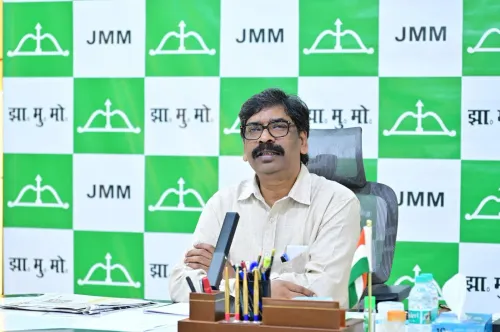
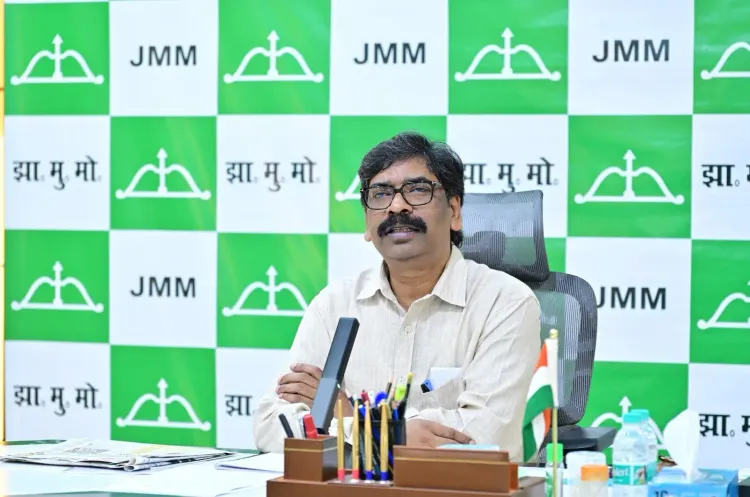
A direct challenge to New Delhi landed on Thursday evening — and it came with a deadline. Jharkhand Chief Minister Hemant Soren declared on 13 August 2026 that if the Centre does not withdraw the Mines and Minerals (Development and Regulation) Amendment Bill, 2026, Jharkhand will launch a mass agitation that 'the entire country will witness,' reaching every district, every block, every panchayat, and every town in the state.
The charge: a bill that 'amputates' Jharkhand
Soren did not mince words. He described the legislation — passed in both Lok Sabha and Rajya Sabha, he said, 'in haste' — as a 'kala bill' (black bill) that amounts to 'chopping off Jharkhand's hands and feet.' The core of his argument is a sovereignty claim: 'Khanij Jharkhand ka, zameen Jharkhand ki — to hamare haq-adhikar ka faisla Dilli kyon karegi?' ('The minerals are Jharkhand's, the land is Jharkhand's — so why should Delhi decide our rights?')
He warned that welfare programmes central to the state's social safety net — including the Maiyan Samman Yojana (a monthly cash-transfer scheme for women), the Abua Awas Yojana housing programme, pensions, education, and health services — could be pushed 'to the brink' by the revenue disruption the amendment would cause. These are claims made by Soren; the exact fiscal impact of the bill's provisions has not been independently assessed.
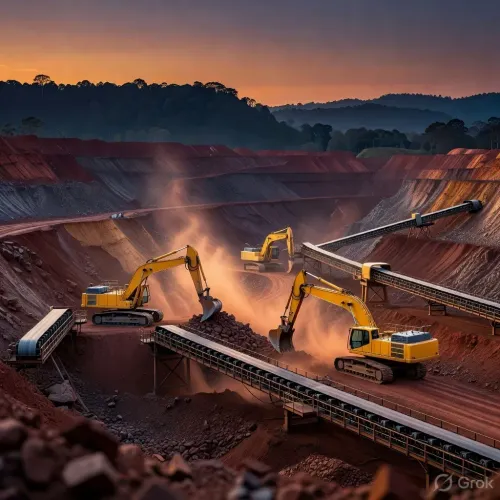
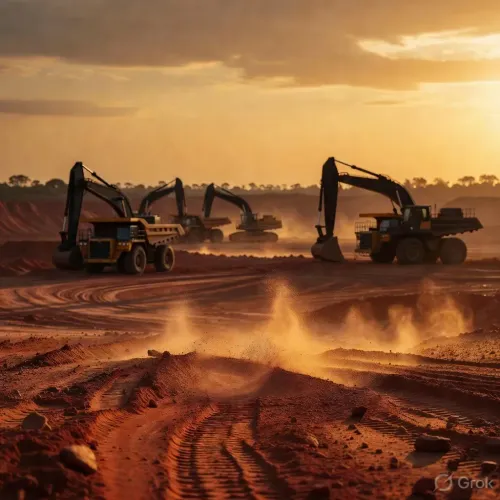
Jharkhand's mineral wealth and the long war over who controls it
Jharkhand, carved out of Bihar in 2000 after decades of agitation demanding local control over land and resources, sits atop some of India's richest deposits of coal, iron ore, and other minerals. The state's very founding was a demand for precisely the kind of autonomy Soren is now invoking. The Jharkhand Mukti Morcha (JMM), the regional party Soren leads as executive president, was founded in 1972 on the twin pillars of tribal rights and resource sovereignty — making this confrontation a direct echo of the movement that created the state.
The original Mines and Minerals (Development and Regulation) Act dates to 1957. A major 2015 amendment shifted significant regulatory power toward the Centre by mandating auctions for mineral leases — a move that mineral-rich states resisted at the time. The 2026 amendment, according to Soren, deepens that centralisation further. The specific clauses of the new bill have not been independently verified.
The ultimatum and what JMM is threatening
Soren's post closes with an escalating ultimatum. If the Centre does not roll back the bill, he said, Jharkhand will not step back from 'decisive and historic decisions' — a deliberately open-ended phrase that could encompass everything from a special assembly session to a formal legal challenge. The Jharkhand Mukti Morcha has formally declared its 'full-throated opposition' to the legislation.
The sign-off — 'Hul Johar! Jai Jharkhand!' — is significant. 'Hul' refers to the 1855 Santali uprising against colonial authority, a foundational symbol of resistance in Jharkhand's political memory. Invoking it here is a deliberate signal: this is framed not as routine political opposition but as a continuation of a historical struggle for self-determination.
Whether the Centre responds with clarification, negotiation, or silence will determine whether Jharkhand's streets see the kind of mobilisation Soren is promising — and whether other opposition-ruled mineral states line up behind him.
Point of View
Not routine opposition. The open-ended threat of 'decisive and historic decisions' is a pressure valve designed to force a negotiation the Centre has so far not offered. Whether other opposition-ruled resource states join the chorus will determine whether this stays a Jharkhand story or becomes a federal flashpoint.
NationPress
28 Sept 2026
Frequently Asked Questions
What is the MMDR Amendment Bill 2026 and why is Jharkhand opposing it?
The Mines and Minerals (Development and Regulation) Amendment Bill, 2026 is a central legislation amending India's mining regulatory framework. Jharkhand Chief Minister Hemant Soren opposes it because he says it was passed hastily and strips the state of control over its own mineral wealth, reducing its revenue and autonomy.
What agitation has Hemant Soren threatened?
Soren has threatened a mass protest reaching every district, block, panchayat, and town in Jharkhand if the Centre does not withdraw the bill. He also warned of 'decisive and historic decisions' — an open-ended escalation — if the state's rights are not restored.
Which Jharkhand welfare schemes does Soren say are at risk?
Soren cited the Maiyan Samman Yojana (monthly cash transfers for women), Abua Awas Yojana (housing), pensions, education, and health programmes as potentially threatened by the revenue disruption the amendment could cause. These are his claims and have not been independently verified.
What is the historical background of Jharkhand's fight over mineral rights?
Jharkhand was formed in 2000 after decades of agitation demanding local control over land and minerals. The Jharkhand Mukti Morcha, founded in 1972, was built on tribal rights and resource sovereignty. A 2015 amendment to the MMDR Act had already centralised mineral lease auctions, drawing state opposition.
What does 'Hul Johar' mean and why did Soren use it?
'Hul' refers to the 1855 Santali uprising against colonial authority — a foundational symbol of resistance in Jharkhand. By signing off with 'Hul Johar,' Soren framed the current dispute not as routine politics but as a continuation of Jharkhand's historical struggle for self-determination.