SP first list of 5 UP candidates riles Congress amid talks
Synopsis
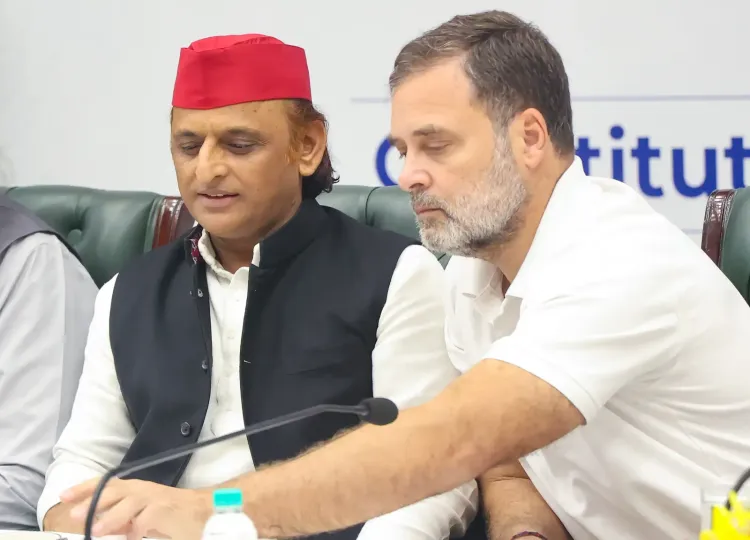
The Samajwadi Party’s first list of five UP Assembly candidates, released while Congress talks were still open, is less a roster than a power play. By locking Behat, Saharanpur, Kairana, Amroha and Lalitpur, Akhilesh Yadav has told his ally who the senior partner is — and made the next round of seat-sharing harder to fudge.
Key Takeaways
The Samajwadi Party on 25 November unilaterally released a first list of five candidates for the upcoming Uttar Pradesh Assembly election.
The seats named are Behat , Saharanpur , Kairana , Amroha and Lalitpur , out of the state’s 403 Assembly constituencies.
Two of the names are from Saharanpur district, an area politically associated with Congress MP Imran Masood .
Congress is demanding almost five times the seats reportedly offered by SP, and leaders say the list undercuts ongoing talks.
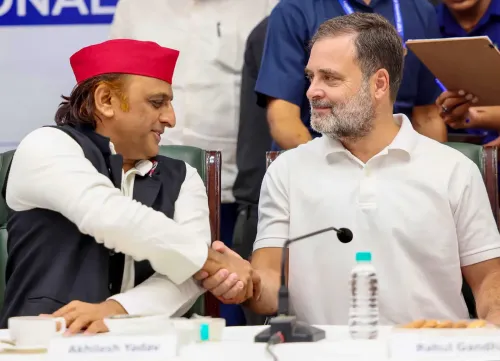
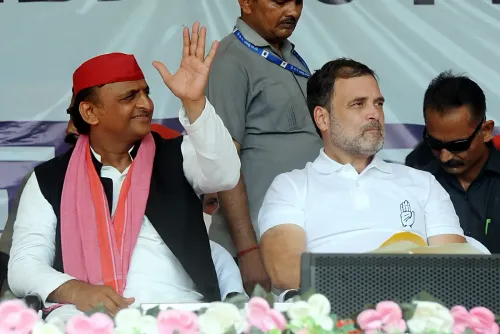
Akhilesh Yadav has stressed a “winning formula” to defeat the BJP ; the move is being read as SP asserting senior-partner status, not as an imminent alliance collapse.
The Samajwadi Party (SP) on 25 November unilaterally released its first list of five candidates for the upcoming Uttar Pradesh Assembly election, even as stormy seat-sharing talks with the Indian National Congress remain unresolved. The names cover Behat, Saharanpur, Kairana, Amroha and Lalitpur — only a sliver of the state’s 403 Assembly seats, but a politically loaded assertion in the contest against the Bharatiya Janata Party (BJP).
What the first list covers
Though the announcement accounts for only five constituencies, reports indicate that some of these seats were among those the Congress had hoped to discuss in the sharing arrangement. Two of the SP-announced candidates are from Saharanpur district, an area politically associated with Congress MP Imran Masood, where the national party is said to have a particular interest.
By naming candidates there, the SP is seen as seeking to reinforce its hold over western Uttar Pradesh, a region where it faces competition not only from the BJP and the Rashtriya Lok Dal but also from emerging regional formations. The unilateral announcement is being read as a demonstration of political dominance within the expected Opposition alliance, and as an attempt to quiet louder Congress voices the SP considers likely to upset the talks.
Congress reaction and Imran Masood
The list has triggered visible unease within the Congress, with aggressive responses from more vocal leaders, notably Saharanpur MP Imran Masood. He questioned the ally’s seriousness about the alliance, arguing that announcing candidates while talks are underway sends a contradictory signal and suggests that one partner is attempting to dictate terms rather than negotiate.
Congress leaders are particularly upset because the gap in expectations is already wide. The Congress is demanding almost five times the number of seats reportedly offered by the larger regional partner. With the SP now making it difficult for the Congress to stake claims on at least five seats, it has strengthened its bargaining position in future negotiations. Several Congress leaders have taken the list as evidence that the SP is trying to negotiate from a position of strength.
Why SP moved first
The SP has emerged as the principal Opposition force in Uttar Pradesh in recent polls and believes it possesses a stronger grassroots network and electoral base than the Congress. By declaring candidates early, the party signalled that it intends to remain the senior partner and will not allow negotiations to drag indefinitely or come under pressure from the national party.
Samajwadi Party chief Akhilesh Yadav has been publicly stressing that the objective is to find a “winning formula” and defeat the BJP. The party’s actions indicate it does not wish to excessively compromise in, or prolong, seat-sharing talks. Early name declarations can also reassure core voter groups that electoral preparations are already underway and help energise workers in a state where caste arithmetic and local leadership matter enormously. Notably, the selection appears intended to protect constituencies where the SP already enjoys organisational strength and comparatively stronger candidates.
Alliance pressure and what comes next
This comes amid public claims by most Opposition parties that they are committed to fighting the BJP together. The episode in India’s most politically significant state has highlighted the deep mistrust and competing ambitions that continue to shape the bloc’s politics, including platforms such as the INDIA grouping.
Whether the first list is strategic positioning or political provocation, it is expected to influence the next phase of talks. According to the prevailing reading, it appears less an indication of an imminent alliance collapse. It has, however, publicly exposed the tension between cooperation and competition that continues to define Opposition platforms. The coming days will test whether the two parties can still stitch a seat-sharing formula that preserves a united challenge to the BJP, or whether the SP’s early claim on key constituencies hardens into a template for the remaining seats.
Point of View
The problem is not the list — it is that the partners still do not agree on who is the junior ally.
NationPress
25 Nov 2026
Frequently Asked Questions
What is the SP first list for the UP election?
The Samajwadi Party has unilaterally announced its first list of five candidates for the upcoming Uttar Pradesh Assembly election, covering Behat, Saharanpur, Kairana, Amroha and Lalitpur. The list was released on 25 November while seat-sharing talks with the Congress were still underway.
Why is the Congress upset with the SP candidate list?
Congress leaders are upset because some of the five constituencies were among seats the party hoped to discuss in the sharing arrangement, and because talks are not yet concluded. Saharanpur MP Imran Masood questioned the ally’s seriousness, arguing that announcing names mid-talks suggests one partner is dictating terms.
How many seats does Congress want in the UP alliance?
Congress is demanding almost five times the number of seats reportedly offered by the Samajwadi Party, according to reports. That gap has already created tensions in negotiations covering Uttar Pradesh’s 403 Assembly seats.
Does the SP first list mean the Opposition alliance is collapsing?
The announcement appears less an indication of an imminent alliance collapse, according to the prevailing political reading of the move. It has, however, publicly exposed mistrust and competing ambitions within the Opposition, including the INDIA grouping, even as parties maintain they will fight the BJP together.
Why did Akhilesh Yadav’s party announce candidates so early?
The SP, as the principal Opposition force in recent UP polls, is signalling it will remain the senior partner and will not let talks drag indefinitely. Early declarations also help energise workers and protect constituencies where the party already enjoys organisational strength.