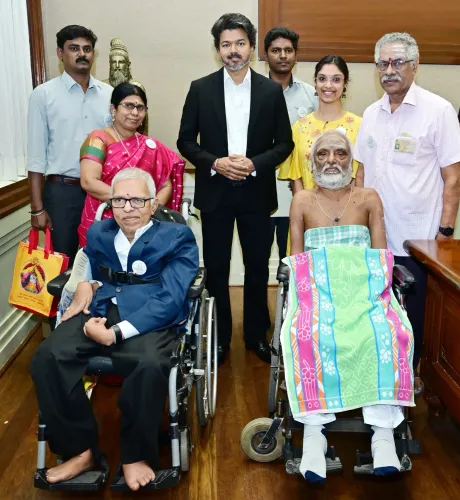
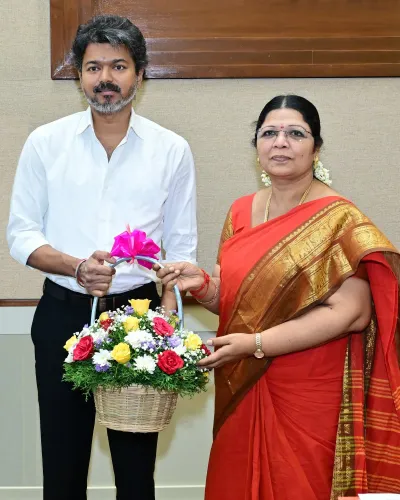
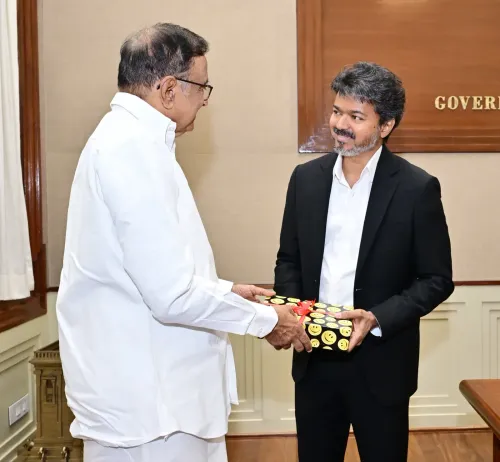
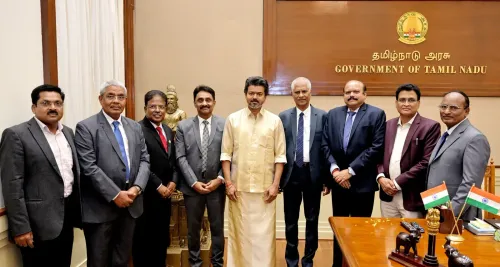
Sri Lanka's Deputy HC meets CM Joseph Vijay at Secretariat
Synopsis
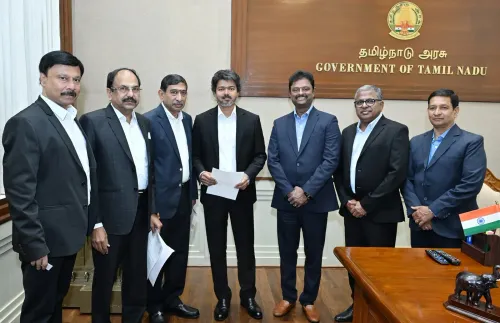
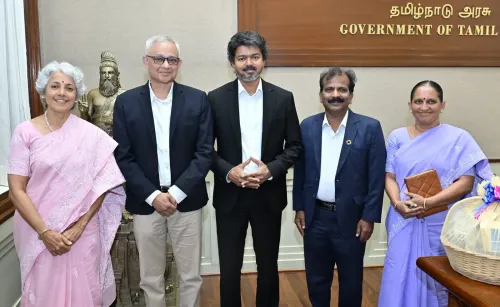
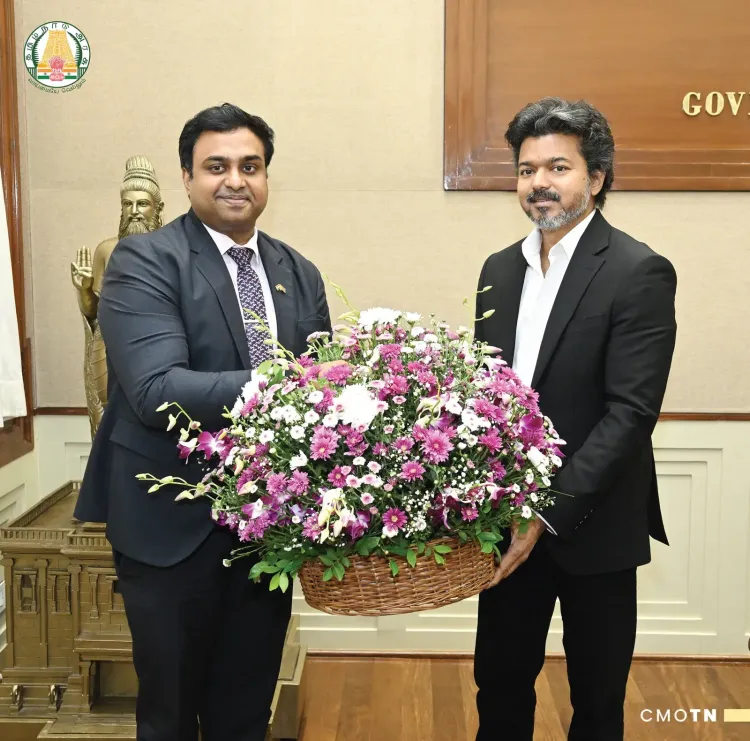
Tamil Nadu Chief Minister S. Joseph Vijay received Sri Lanka's Deputy High Commissioner for Southern India, Dr. Ganeshanathan Ketheeswaran, at the State Secretariat in Chennai on 1 July 2026, continuing the state's tradition of direct diplomatic engagement with Colombo on fishermen's rights and Sri Lankan Tamil issues.
Key Takeaways
Ganeshanathan Ketheeswaran , Deputy High Commissioner of Sri Lanka for Southern India, met Tamil Nadu CM S.
Joseph Vijay on 1 July 2026 .
The meeting was held at the State Secretariat, Chennai , and confirmed by the official Chief Minister's Office account.
Tamil Nadu–Sri Lanka diplomatic contact at the CM level has been a recurring feature since the end of the Sri Lankan civil war in 2009 .
Key issues in the bilateral relationship include Palk Bay fishing disputes , rehabilitation of Sri Lankan Tamils , and political devolution under the 13th Amendment .
The meeting may signal forthcoming discussions ahead of broader India-Sri Lanka maritime or trade talks .
The Chief Minister's Office of Tamil Nadu announced on Wednesday, 1 July 2026 that Dr. Ganeshanathan Ketheeswaran, Deputy High Commissioner of Sri Lanka for Southern India, called on Tamil Nadu Chief Minister S. Joseph Vijay at the State Secretariat in Chennai.
Context
The meeting was confirmed through an official post by the Chief Minister's Office, which noted that the Sri Lankan envoy 'met and spoke' with the Chief Minister at the Secretariat. The Deputy High Commission of Sri Lanka for Southern India, typically based in Chennai, serves as the primary diplomatic channel between Colombo and the southern states of India, with Tamil Nadu occupying the most politically sensitive position in that relationship.
Such direct engagements between Tamil Nadu's top executive and Sri Lankan diplomatic representatives are a recurring feature of the state's political calendar, reflecting the unique sub-national diplomatic dimension that Tamil Nadu brings to India's foreign policy.
Policy Backdrop
Tamil Nadu governments across administrations have maintained consistent engagement with Sri Lankan officials on a cluster of issues: the rights and rehabilitation of Sri Lankan Tamils, the devolution of political powers to Tamil-majority provinces under the 13th Amendment to the Sri Lankan Constitution, and the perennial flashpoint of Palk Bay fishing disputes involving Tamil Nadu fishermen.
India's diplomatic involvement in Sri Lanka's ethnic question dates to the 1987 Indo-Sri Lanka Accord, which formalised New Delhi's role in seeking autonomy arrangements for Tamils on the island. Since the end of the Sri Lankan civil war in 2009, state-level contact between Chennai and Colombo has intensified, often running parallel to central government-level diplomacy and giving voice to Tamil Nadu's distinct political sensitivities on these matters.
Stakeholders and Impact
Tamil Nadu fishermen operating in the Palk Bay and Gulf of Mannar remain among the most directly affected communities in any Tamil Nadu–Sri Lanka diplomatic exchange, given the frequency of arrests by the Sri Lanka Navy over alleged incursions into Sri Lankan waters. Meetings at the Chief Minister's level send a political signal about the state government's intent to press these concerns at the highest accessible diplomatic tier.
Sri Lankan Tamils, particularly those in the Northern and Eastern Provinces, also watch such interactions closely as an indicator of Tamil Nadu's continued advocacy for their political rights and post-war resettlement. Civil society groups on both sides of the Palk Strait regard direct CM-level engagement as a meaningful, if symbolic, act of solidarity and diplomatic pressure.
What's Next
The meeting may presage further high-level exchanges ahead of any broader India-Sri Lanka maritime or bilateral trade negotiations, in which Tamil Nadu's concerns are expected to feature prominently. Observers will watch for any formal statements or follow-up diplomatic correspondence emerging from the Secretariat in the days ahead, particularly on the fishermen's issue and the status of Tamil political devolution in Sri Lanka.
Point of View
Receiving a senior Sri Lankan diplomat early in office signals an intent to keep these issues on the front burner. The timing, ahead of any potential India-Sri Lanka bilateral talks, gives Tamil Nadu an opportunity to set the agenda on fishermen's arrests and devolution before central negotiators take the floor. Whether this translates into concrete policy outcomes will depend on the follow-through from both Chennai and Colombo.
NationPress
1 Jul 2026
Frequently Asked Questions
Who is the Deputy High Commissioner of Sri Lanka for Southern India?
Dr. Ganeshanathan Ketheeswaran serves as the Deputy High Commissioner of Sri Lanka for Southern India, the senior Sri Lankan diplomatic representative accredited to Tamil Nadu and neighbouring southern states, typically based in Chennai.
Why did the Sri Lankan Deputy High Commissioner meet Tamil Nadu CM Joseph Vijay?
The Chief Minister's Office confirmed the meeting took place at the State Secretariat on 1 July 2026, though no specific agenda was disclosed publicly. Such meetings typically cover Palk Bay fishing disputes, Sri Lankan Tamil rights, and bilateral cooperation.
What are the main issues between Tamil Nadu and Sri Lanka?
The key issues include the arrest of Tamil Nadu fishermen by the Sri Lanka Navy in the Palk Bay, the rehabilitation of war-affected Sri Lankan Tamils, and the devolution of political powers to Tamil-majority provinces under Sri Lanka's 13th Amendment.
Does Tamil Nadu have a separate diplomatic relationship with Sri Lanka?
Tamil Nadu does not conduct independent foreign policy, but the state government engages directly with Sri Lankan diplomatic representatives in Chennai on issues of local concern, running alongside the central government's formal bilateral relationship with Colombo.
What is the significance of the 1987 Indo-Sri Lanka Accord for Tamil Nadu?
The 1987 Indo-Sri Lanka Accord formalised India's role in seeking autonomy for Sri Lankan Tamils and led to the 13th Amendment to Sri Lanka's constitution. Tamil Nadu politicians have long cited the accord as a benchmark for the political rights owed to Sri Lankan Tamils.