Why is Stalin Criticizing the Suspension of Eight Opposition MPs?
Synopsis
In a fervent response to the suspension of eight opposition MPs, Tamil Nadu CM M.K. Stalin questions the BJP-led government's commitment to democracy and accountability. He advocates for the protection of parliamentary rights and insists on the necessity of addressing critical national issues.
Key Takeaways
Stalin calls the suspensions undemocratic.
He emphasizes the importance of parliamentary debate.
Opposition voices should not be silenced.
The government must address critical national issues.
Democratic rights of MPs must be protected.
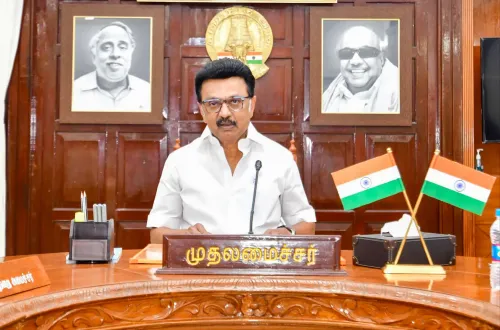
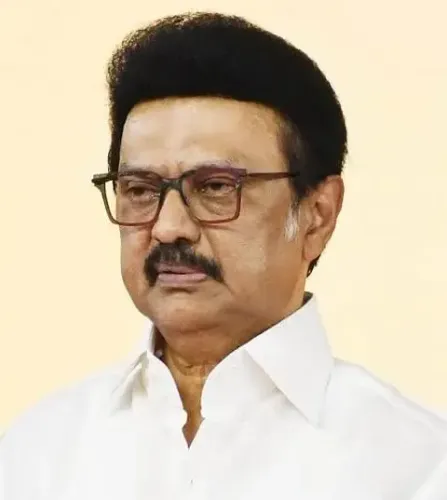
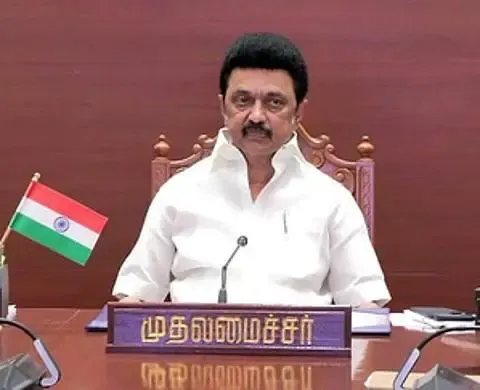
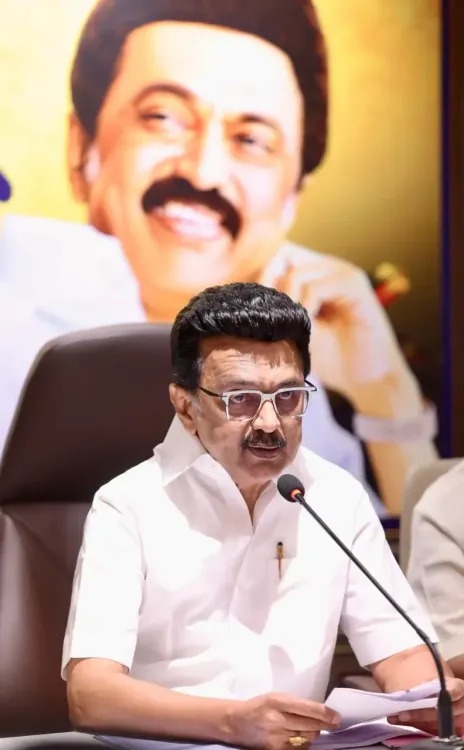
Chennai, Feb 4 (NationPress) Tamil Nadu Chief Minister and DMK President M.K. Stalin has vehemently criticized the BJP-led Union government for suspending eight opposition Members of Parliament from the Lok Sabha, labeling the act as undemocratic and driven by political motives.
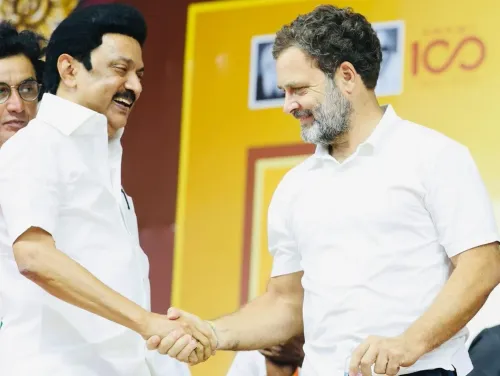
He expressed concerns regarding the Centre's apparent hesitation to engage with critical questions related to national security and governance, particularly those posed by the Leader of the Opposition in the Lok Sabha, Rahul Gandhi.
Stalin condemned the suspensions, stating that silencing elected officials undermines the essence of parliamentary democracy.
According to him, Parliament should serve as a forum for debate, accountability, and transparency, rather than a venue that stifles dissenting opinions.
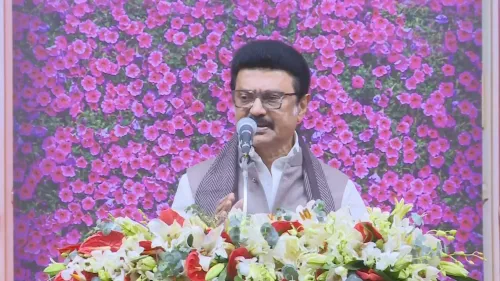
In a social media message, Stalin directly questioned the government's motives, asking why it was afraid of the inquiries raised by Gandhi.
He stressed that the government is obligated to address issues raised by members of the House, especially those concerning national security and the country’s economic interests.
The Chief Minister called for the immediate reversal of the suspensions, asserting that the democratic rights of MPs to discuss public issues must be safeguarded. He warned that preventing opposition members from engaging in debates undermines democratic institutions and sets a dangerous precedent.
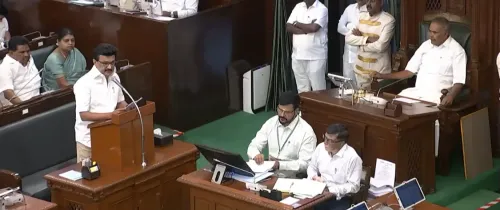
Stalin's comments followed chaotic scenes in the Lok Sabha during the Budget session, where eight opposition MPs — seven from Congress and one from CPI-M — were suspended for the remainder of the session due to unruly behavior amid protests.
The turmoil reportedly began when Rahul Gandhi attempted to reference parts of an unpublished memoir by former Army Chief General M.M. Naravane concerning the 2020 India-China border conflict. The Chair dismissed the reference, leading to heated protests from the opposition, escalating into disorderly conduct and resulting in disciplinary measures against the MPs.
This incident has drawn criticism from several opposition parties, who see the suspensions as an attempt to stifle discussions. Stalin aligned himself with these criticisms, reiterating that a vibrant democracy thrives on open dialogue and accountability, rather than restrictions on elected officials.
Point of View
I believe in upholding democratic principles. The suspension of opposition MPs raises critical questions about the government's willingness to engage in constructive dialogue. It's essential for a healthy democracy that all voices are heard, ensuring transparency and accountability in governance.
NationPress
23 Sept 2026
Frequently Asked Questions
What prompted Stalin's criticism of the BJP government?
Stalin criticized the BJP government for suspending eight opposition MPs, calling the action undemocratic and politically motivated.
Why does Stalin believe the suspensions undermine democracy?
He argues that silencing elected representatives contradicts the fundamental principles of parliamentary democracy, which thrives on debate and accountability.
What issues did Rahul Gandhi raise that led to this controversy?
Rahul Gandhi attempted to cite a memoir concerning the 2020 India-China border conflict, which was disallowed by the Chair, leading to protests and the suspensions.