Why is TN CM Stalin Criticizing BJP Over Suspension of Eight MPs?
Synopsis
In a heated political climate, Tamil Nadu CM M.K. Stalin challenges the BJP's actions, questioning their fear of dissent. As the Budget Session unfolds, tensions rise with the suspension of eight MPs, fueling the ongoing debate about democratic rights in Parliament. Can the government afford to silence its critics?
Key Takeaways
CM Stalin criticizes BJP's actions Suspension of MPs raises democratic concerns Opposition condemns disciplinary measures Budget Session critical for financial discussions Protests likely to continue in Parliament
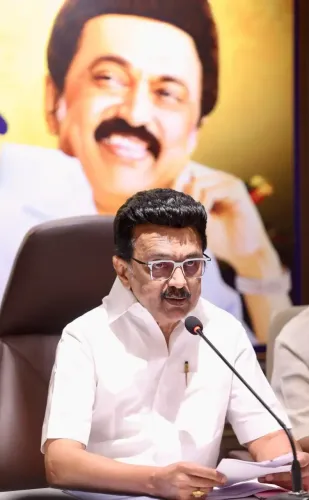
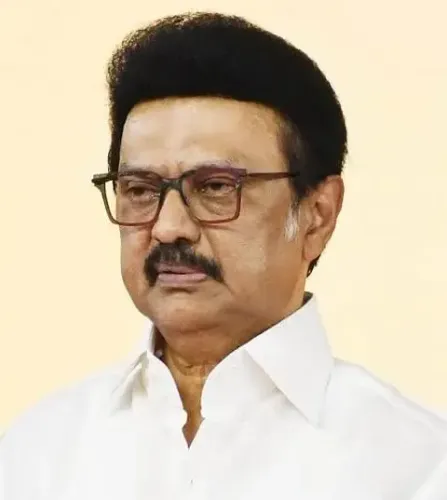
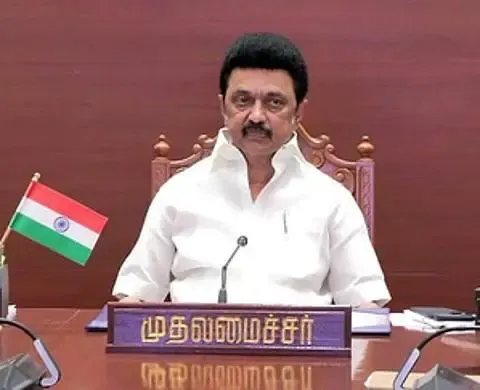
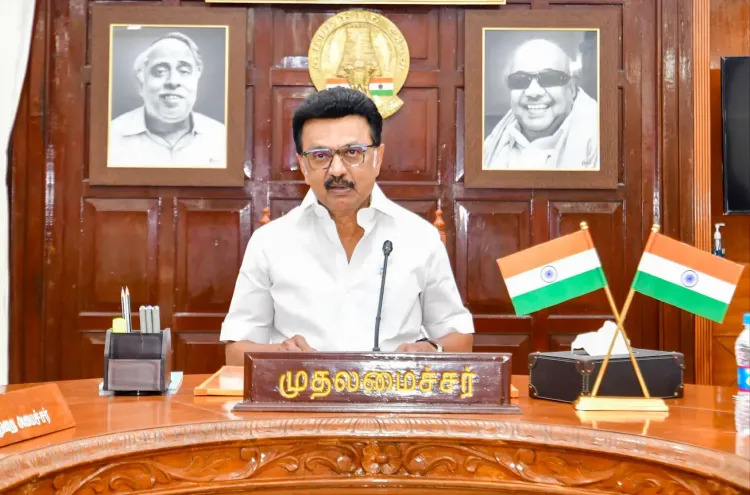
Chennai, Feb 4 (NationPress) Tamil Nadu Chief Minister M.K. Stalin expressed strong disapproval towards the BJP-led Union government for suspending eight Opposition Members of Parliament from the Lok Sabha. He questioned why the Centre seemed "afraid" to address the inquiries posed by Congress leader Rahul Gandhi.
The suspension occurred amid tumultuous scenes in Parliament during the current Budget Session, where Opposition members staged a protest within the House.
According to parliamentary proceedings, the MPs faced accusations of disorderly conduct, including tearing documents and hurling them at the chair of Speaker Om Birla during their protest.
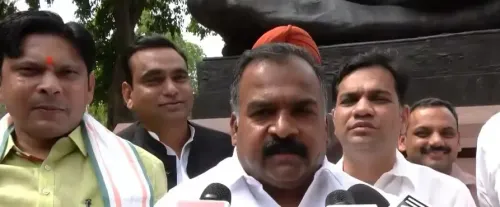
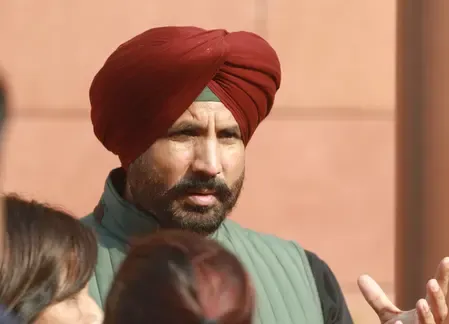
Among those suspended were Tamil Nadu Congress MP Manickam Tagore and CPI(M) MP Su. Venkatesan, along with Congress leaders Gurjeet Singh Aujla, Hibi Eden, C. Kiran Kumar Reddy, Amarinder Singh Warring, Prashant Padole, and Dean Kuriakose.
This suspension will remain effective throughout the entirety of the Budget Session, which is set to take place in two phases and will last until April 2.
Opposition parties have condemned this disciplinary measure, labeling it as excessive and undemocratic.
In a pointed reaction, CM Stalin took to social media platform X to question the Centre's motives. He remarked that the BJP government appears unwilling to respond to legitimate inquiries from the Leader of the Opposition and other members.
He inquired why the government was reluctant to engage in discussions regarding issues related to national security, economic policy, and public interest.
CM Stalin emphasized that Parliament is meant for debate and accountability, asserting that the government must be ready to engage with elected representatives. He described the mass suspension as an attempt to silence dissenting opinions and undermine democratic processes.
Furthermore, the Chief Minister stated that this action infringed upon the constitutional rights of MPs to address matters of national significance. He urged the Centre to promptly retract the suspension orders and permit the members to partake in the parliamentary proceedings.
Political analysts observe that this incident has heightened tensions between the ruling BJP and Opposition parties during a critical session expected to discuss significant financial and policy decisions.
This controversy has reinvigorated the Opposition’s critique that the space for parliamentary debate is diminishing. With protests anticipated to persist, the suspension controversy has emerged as a pivotal point in the broader struggle for democratic rights and accountability within Parliament.
Point of View
The ongoing situation reflects deeper concerns regarding the balance of power in Indian democracy. The actions taken by the government against Opposition MPs could be seen as an attempt to stifle dissent, raising questions about the health of parliamentary discourse. The nation watches closely as the Budget Session unfolds, with both sides holding significant stakes in the outcome.
NationPress
30 Sept 2026
Frequently Asked Questions
What led to the suspension of eight MPs?
The suspension was a result of accusations of disorderly conduct during protests in Parliament, where MPs reportedly tore papers and threw them towards the Speaker's chair.
Who are the suspended MPs?
The suspended MPs include Tamil Nadu Congress MP Manickam Tagore, CPI(M) MP Su. Venkatesan, and several other Congress leaders.
How long will the suspension last?
The suspension will remain in effect throughout the entire Budget Session of Parliament, which is scheduled to last until April 2.
What has CM Stalin said about the suspension?
CM Stalin condemned the suspension as excessive and an attempt to silence dissent, urging the Centre to revoke the orders and allow the MPs to participate in parliamentary proceedings.
What are the broader implications of this incident?
This incident has heightened tensions between the ruling BJP and Opposition parties, raising concerns about the shrinking space for parliamentary debate and democratic rights.