Stalin hails revamped 'Anbagam', urges DMK Youth Wing to win
Synopsis
DMK president M. K. Stalin posted images of a renewed 'Anbagam', the home he said raised him, and called on the DMK Youth Wing led around Udhayanidhi Stalin to nurture young cadres in ideology and secure victory, signing off with #KalaignarForever in a tribute to M. Karunanidhi.
Key Takeaways
Stalin posted on 3 June 2026 about a refurbished Anbagam , the house he said raised him.
He urged the DMK Youth Wing to move with 'new pace' and nurture young members in party ideology.
The post tagged Udhayanidhi Stalin and used #KalaignarForever , invoking M.
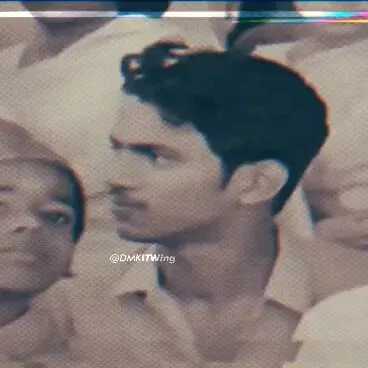
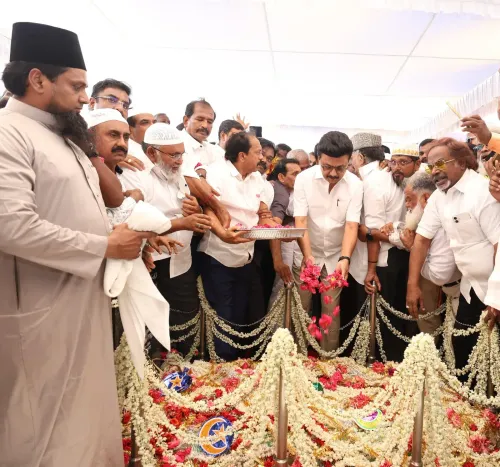
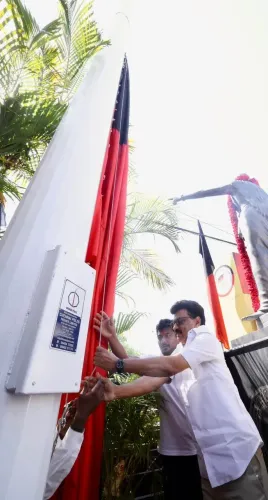
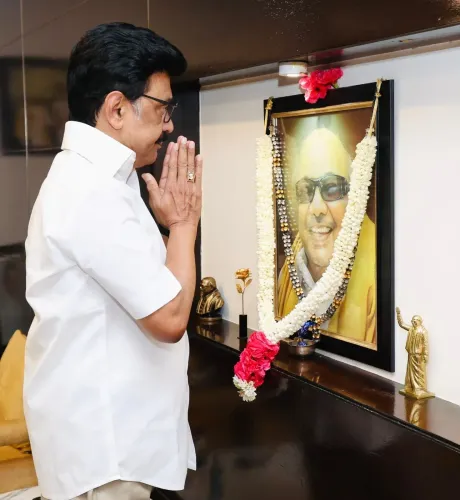
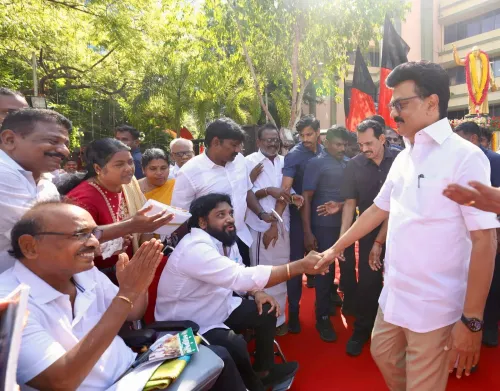
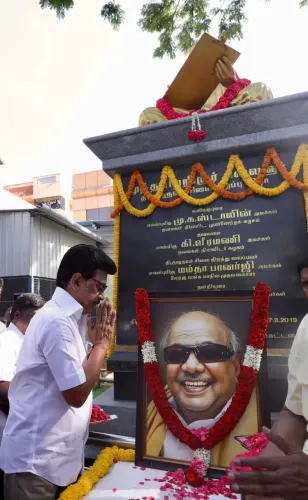
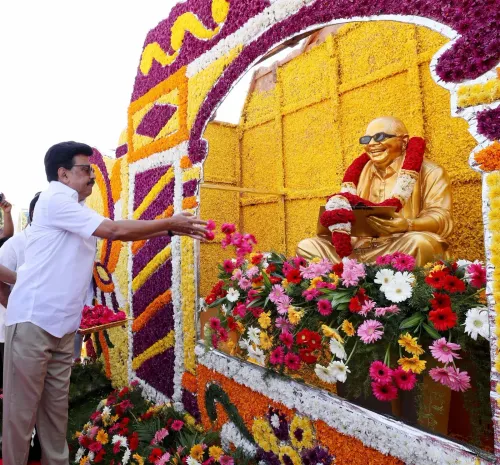
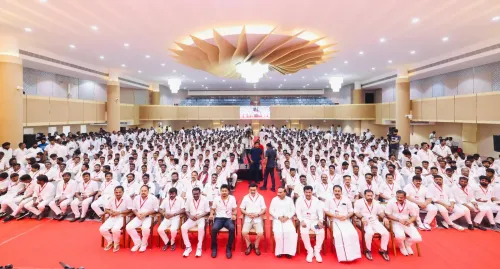
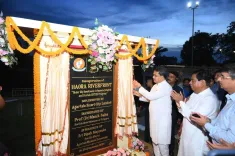
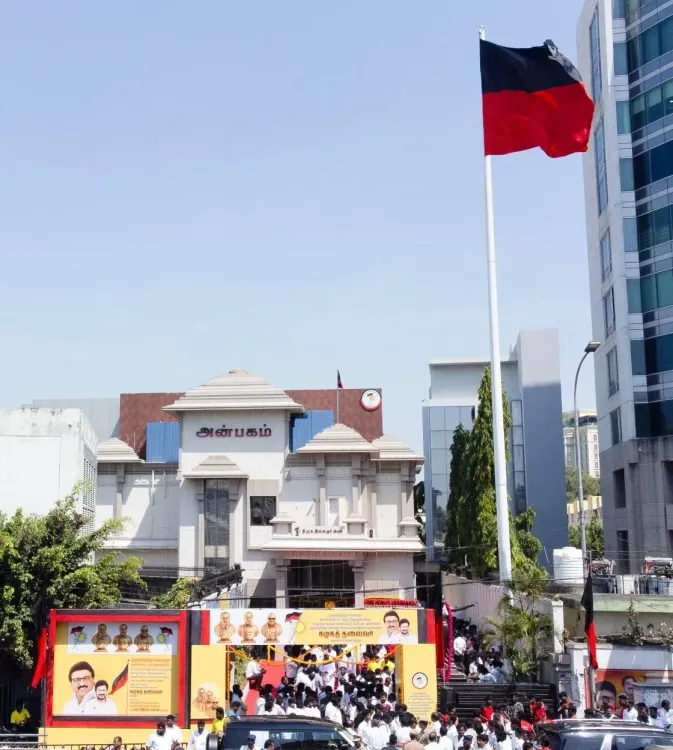
Four photographs accompanied the message, shared in Tamil.
The messaging fits DMK's pattern of linking family legacy with cadre mobilisation ahead of state polls.
DMK president M. K. Stalin on Wednesday, 3 June 2026, posted a sentimental message marking the refurbishment of Anbagam ('abode of love'), the residence he described as the home where he grew up, and called on the party's youth wing to convert ideological grounding into electoral victory. The post, shared in Tamil with four photographs and tagged to his son and senior DMK leader Udhayanidhi Stalin, carried the hashtag #KalaignarForever, a tribute to his late father M. Karunanidhi.
Translated, the message reads: 'The Anbagam where I grew up — the one that raised me — stands renewed.' Addressing the DMK Youth Wing, the party president added: 'With a new pace, let us nurture new youth in ideology and make victory ours.' The post combined personal nostalgia with an organisational call to action, a register Stalin has used repeatedly since taking over the party.
Context
Anbagam has long been associated with the Karunanidhi family's residence and the DMK's leadership pipeline. By framing the refurbished structure as the space that 'raised' him, Stalin tied the moment to the party's intergenerational lineage that runs from C. N. Annadurai, who founded the DMK in 1949, through Karunanidhi and into the current leadership.
The hashtag #KalaignarForever invokes Karunanidhi's honorific, 'Kalaignar' ('the artist'), under which he served as Chief Minister of Tamil Nadu five times and led the DMK from 1969 until his death in 2018. Such references are a recurring feature of Stalin's public communication.
Policy backdrop
The DMK has historically treated its youth wing as the primary recruitment channel for cadres, booth-level workers and future legislators. Udhayanidhi Stalin himself rose through the youth-wing structure before entering the cabinet, and the tagging of his handle in the post signals continued organisational responsibility.
Stalin's phrasing — pairing 'new pace' with nurturing youth 'in ideology' — echoes the Dravidian movement's emphasis on cadre training in social justice, linguistic identity and welfare delivery. The party has built its current term around schemes such as the Kalaignar Magalir Urimai Thittam monthly assistance for women and expanded breakfast programmes in government schools, which youth-wing workers are expected to publicise on the ground.
Stakeholders and impact
The immediate audience is the DMK's cadre base, particularly first-time voters and district-level youth office-bearers across Tamil Nadu's 234 assembly constituencies. The message also lands within the bipolar Dravidian contest between the DMK-led alliance and the AIADMK, where mobilisation of young voters frequently determines marginal seats.
For the broader alliance, including the Congress and Left partners, signals of organisational tightening from the DMK leadership tend to set the pace for joint campaign planning. The invocation of Karunanidhi serves both an internal cohesion function and a symbolic appeal to older voters who associate the family name with the party's welfare record.
What's next
Attention will turn to upcoming youth-wing conferences and district-level outreach events, where the 'new pace' framing is likely to be operationalised through membership drives and training camps. With the next Tamil Nadu assembly election due in 2026, every public signal from the party president regarding organisational readiness will be read as part of campaign positioning.
Stalin's pairing of personal memory with a victory call suggests that the DMK intends to run a campaign that fuses legacy messaging with a generational refresh — a balance the party has historically sought to strike whenever leadership transitions or major elections approach.
Point of View
And anchor both in the Kalaignar brand. By tagging Udhayanidhi alongside the youth wing, the party president underlines a generational handover that is already underway in functional terms. With the next Tamil Nadu assembly contest on the horizon, every such signal doubles as campaign scaffolding. The challenge for the DMK is to convert legacy emotion into fresh cadre energy without appearing to rely solely on dynastic symbolism.
NationPress
23 Sept 2026
Frequently Asked Questions
What did M. K. Stalin post about Anbagam?
M. K. Stalin posted in Tamil that 'Anbagam', the home that raised him, stands renewed, sharing four photographs and urging the DMK Youth Wing to move with new pace and secure victory.
What is Anbagam in the DMK context?
'Anbagam', meaning 'abode of love', is the residence Stalin describes as the home where he grew up and which he associates with his political upbringing under M. Karunanidhi.
Why did Stalin use the hashtag KalaignarForever?
The hashtag honours his late father M. Karunanidhi, popularly known as 'Kalaignar', who led the DMK from 1969 to 2018 and served five terms as Tamil Nadu Chief Minister.
What role does Udhayanidhi Stalin play in the DMK Youth Wing?
Udhayanidhi Stalin has been active in DMK organisational roles, rising through the youth-wing structure, and was tagged in the post in line with his continuing responsibility for youth mobilisation.
When are the next Tamil Nadu assembly elections?
The next Tamil Nadu assembly elections are due in 2026, and public signals from the DMK leadership about cadre readiness are widely viewed as part of campaign positioning.