Stalin Pays Tribute to Pasumpon Thevar on Death Anniversary
Synopsis
DMK president M. K. Stalin on 30 October 2026 honoured Pasumpon Muthuramalinga Thevar on his 63rd death anniversary, saluting the Tamil leader's alliance with Netaji Bose, his fight against the Criminal Tribes Act, and his founding of farmer and worker unions.
Key Takeaways
Stalin paid tribute to Pasumpon Muthuramalinga Thevar on his 63rd death anniversary, 30 October 2026 .
Thevar fought alongside Netaji Subhas Chandra Bose during India's independence movement.
He campaigned against the Criminal Tribes Act , which branded certain communities as hereditary criminals, to protect backward communities' rights.
Thevar founded unions for farmers and labourers and was imprisoned for his activism.
He served as a representative in both the Tamil Nadu state legislature and Parliament .
Tamil Nadu leaders across parties observe 30 October annually as a day of commemoration for Thevar's freedom struggle and social reform work.
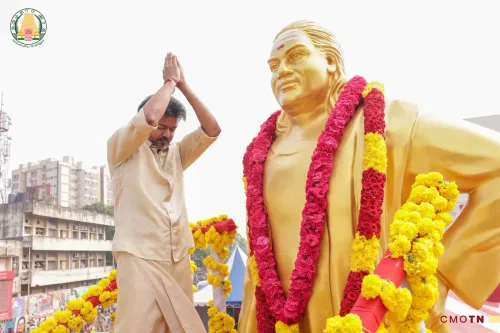
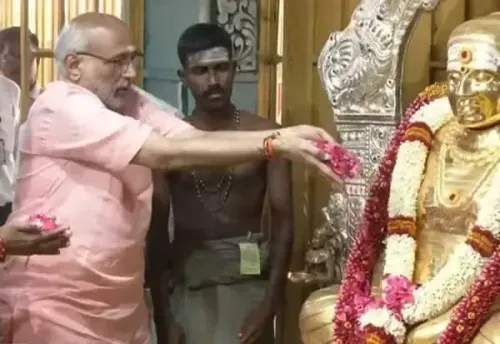
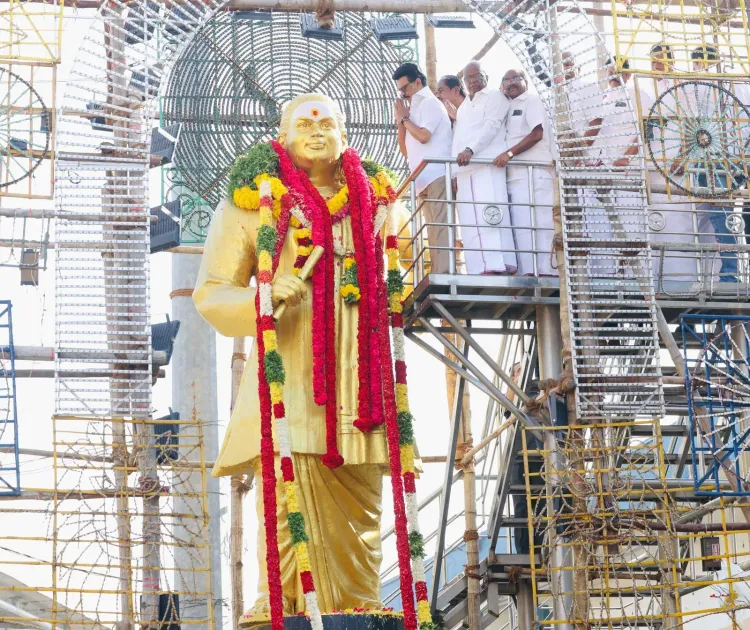
On the 63rd death anniversary of Pasumpon Muthuramalinga Thevar, DMK president M. K. Stalin honoured the Tamil freedom fighter and social reformer on Friday, 30 October 2026, hailing him as a living example of valour and sacrifice whose legacy continues to resonate across Tamil Nadu.
In his post on X, Stalin saluted Thevar in Tamil, calling him a warrior who fought alongside Netaji Subhas Chandra Bose in the independence struggle and a champion who battled the Criminal Tribes Act to defend the rights of backward communities. He also recognised Thevar as a founding force behind farmer and worker unions — a man who went to prison for that cause. The people's tribute, Stalin quoted, was unambiguous: 'பத்தரை மாற்றுத் தங்கம்! பசும்பொன் சிங்கம்!' — 'Pure gold of the highest grade! The lion of Pasumpon!'
The man Tamil Nadu calls its 'Lion': who was Muthuramalinga Thevar?
Pasumpon Muthuramalinga Thevar was born in the Ramanathapuram district of Tamil Nadu and rose to become one of the most prominent regional figures of the Indian independence movement. His alliance with Subhas Chandra Bose and the Indian National Army placed him at the radical, uncompromising edge of anti-colonial politics — far from the drawing-room variety.
Beyond the freedom struggle, Thevar's social battles left an equally deep mark. He took on the Criminal Tribes Act, a brutal British-era statute that branded entire communities as hereditary offenders — stripping them of basic civil rights from birth. His campaigns for its repeal gave political voice to marginalised castes who had none. He also founded unions for farmers and labourers, and represented his constituents in both the state legislature and Parliament. He died on 30 October 1963, and every year since, his death anniversary has drawn tributes from leaders across the political spectrum in Tamil Nadu.
Stalin's tribute and the larger Tamil Nadu tradition of commemorating freedom icons
Tamil Nadu's political culture has long practised the annual ritual of honouring regional icons — figures whose lives weld together anti-colonial sacrifice and social justice for marginalised communities. For parties like the DMK, invoking Thevar connects present-day welfare politics to a lineage of principled resistance: the fight for the backward classes, the dignity of labour, the rejection of inherited stigma.
Stalin's tribute described Thevar as someone who 'lived as history itself' — a phrase that places the freedom fighter not just in the past but as a living standard against which contemporary politics is measured. On an anniversary observed across Tamil Nadu with rallies, floral tributes, and assembly commemorations, Stalin's post is part of a wider, multi-party acknowledgement that Thevar's causes — community rights, farmer welfare, worker dignity — remain unfinished business.
On the anniversary of a man jailed for his principles and praised by the people as their lion, the question Tamil Nadu asks every year is the same: how far have those principles actually travelled?
Point of View
Two currents the DMK has historically claimed as its own inheritance. By foregrounding Thevar's fight against the Criminal Tribes Act and his prison sacrifice for labour rights, Stalin signals continuity between a mid-20th-century struggle and his party's present-day welfare agenda. In a political landscape where caste identity and social-justice framing remain potent electoral currency in Tamil Nadu, annual commemorations of this kind are simultaneously history lessons and positioning statements.
NationPress
30 Oct 2026
Frequently Asked Questions
Who was Pasumpon Muthuramalinga Thevar?
Pasumpon Muthuramalinga Thevar was a Tamil freedom fighter and social reformer from Ramanathapuram district in Tamil Nadu. He allied with Subhas Chandra Bose in the independence struggle, opposed the Criminal Tribes Act to defend backward communities, and founded farmer and worker unions. He died on 30 October 1963 .
Why does M. K. Stalin pay tribute to Thevar on 30 October?
30 October is Thevar's death anniversary, observed annually across Tamil Nadu. Politicians from multiple parties issue tributes on this day to recall his role in the freedom struggle and his campaigns for social justice for marginalised communities.
What was the Criminal Tribes Act and why did Thevar oppose it?
The Criminal Tribes Act was a British-era law that labelled certain communities as hereditary criminals, denying them basic rights from birth. Thevar campaigned actively for its repeal to restore the civil rights and dignity of affected backward communities.
What is the connection between Thevar and Subhas Chandra Bose?
Thevar worked closely with Netaji Subhas Chandra Bose during India's independence movement, aligning himself with Bose's more assertive, radical strand of anti-colonial politics.
What does 'பத்தரை மாற்றுத் தங்கம்' mean?
The Tamil phrase 'பத்தரை மாற்றுத் தங்கம்' translates to 'pure gold of the highest grade' — a popular epithet for Thevar signifying the highest quality of character and integrity. Paired with 'Pasumpon Singam' (the lion of Pasumpon), it is the folk tribute Tamil Nadu gave him.