Stalin Slams TN Govt Over Power Cuts, Reels Visit
Synopsis
DMK president M. K. Stalin slammed the Tamil Nadu ruling government on 26 September 2026 over ongoing power cuts, alleging the Chief Minister visited the TNEB headquarters to shoot social-media reels rather than conduct an administrative review — and that even ministers are not spared from outages.
Key Takeaways
Stalin posted a sharp attack on the Tamil Nadu government over power cuts on 26 September 2026 .
Stalin alleged that even ministers under the ruling administration are affected by electricity outages, heightening the impact on ordinary citizens.
He claimed the Chief Minister visited the Tamil Nadu Electricity Board (TNEB) headquarters two days prior but conducted no substantive review.
The visit was characterised as a social-media 'Reels shoot' rather than an administrative exercise.
Power supply reliability is a recurring political flashpoint in Tamil Nadu, with past administrations also facing scrutiny over outage management.
Stalin's post carried the hashtags #மின்வெட்டு and #PowerCut , signalling an organised opposition communications push on the issue.
When a state's own ministers cannot escape power outages, what does that say about the grid serving ordinary Tamil Nadu households? DMK president M. K. Stalin posed precisely that question on Saturday, 26 September 2026, firing a sharp broadside at the ruling government over worsening electricity shortages — and turning a reported visit to the Tamil Nadu Electricity Board headquarters into a political flashpoint.
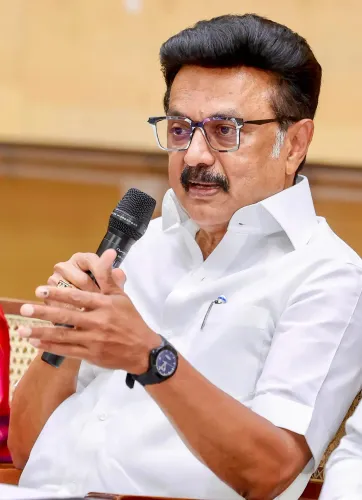
Posting in Tamil under the hashtags #மின்வெட்டு (Power Cut) and #PowerCut, Stalin wrote: 'If this is the situation even for ministers under the ruling government's administration, there is no need to even describe the plight of ordinary people.' The barb was pointed and deliberate — if those closest to power cannot secure reliable electricity, the common consumer stands no chance.
A Headquarters Visit That Became a Reels Shoot
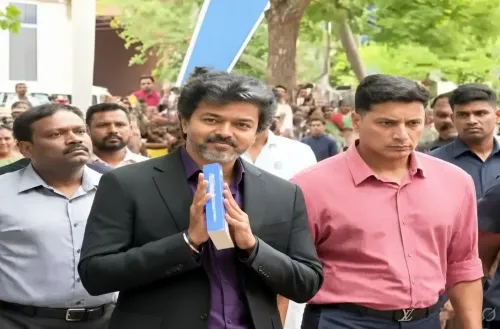
Stalin sharpened the attack with a specific allegation about a visit made two days earlier to the Tamil Nadu Electricity Board (TNEB) headquarters in Chennai. Rather than conducting a substantive administrative review of the power situation, he claimed, the Chief Minister appeared to have come primarily to shoot social-media reels. 'The Chief Minister did not review at the electricity board headquarters. It looks like he just went there to shoot Reels,' Stalin wrote.
The accusation taps into a well-worn — but politically potent — critique: that high-profile institutional visits are increasingly choreographed for social-media optics rather than governance outcomes. When a state is battling supply shortfalls, a TNEB headquarters visit that yields short-form video content rather than remedial orders is the kind of detail that tends to stick.
Power Supply as a Perennial Tamil Nadu Flashpoint
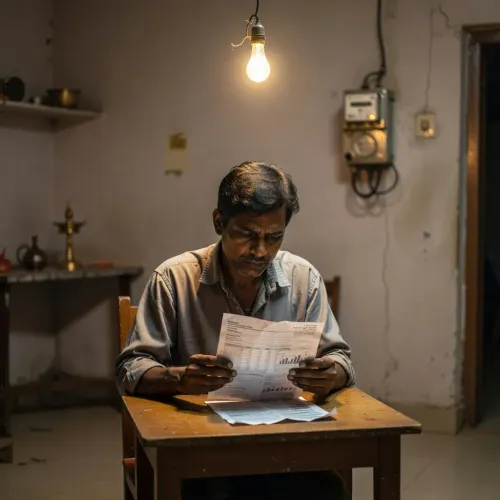
Electricity reliability has long been a live-wire issue in Tamil Nadu politics. Demand-supply gaps, maintenance at transmission infrastructure, and the sheer scale of the state's agricultural and industrial load mean that prolonged outages carry real economic pain. The Tamil Nadu Electricity Board, headquartered in Chennai, has been the site of on-site reviews by successive administrations precisely because the political cost of power cuts is immediate and visible.
Opposition figures — including Stalin himself during his time out of power — have routinely used outage episodes to question governance priorities. The current attack follows that pattern, but the 'Reels' framing adds a contemporary edge: it is no longer just about whether the government acted, but whether it even tried to look like it did in private.
What Stalin's Post Signals
At its core, this is a targeted accountability jab — the DMK president using a verified, time-stamped moment (the TNEB visit two days prior) to construct a cause-and-effect argument: visit happened, review did not, cuts continue, citizens suffer. Whether the ruling administration responds with an official account of what was discussed or scheduled at the headquarters visit will determine how far this narrative travels.
For Tamil Nadu's millions of electricity consumers, the political back-and-forth matters less than the hours without power. But in a state where grid reliability has historically driven voting behaviour, Stalin's post is a reminder that every outage is also a political opportunity — and that every camera at a government headquarters can cut both ways.
Point of View
Verifiable, recent event — the TNEB headquarters visit — to make the charge concrete rather than abstract. The 'Reels' framing is particularly calculated; it shifts the debate from policy capacity to political intent, suggesting the government is more invested in optics than outcomes. Power cuts have historically been a reliable electoral trigger in Tamil Nadu, and opposition parties have long known that sustained narrative pressure on grid reliability can shape voter sentiment well before an election cycle. Whether the ruling administration contests the characterisation of the TNEB visit — or stays silent — will signal how seriously it treats the political liability.
NationPress
26 Sept 2026
Frequently Asked Questions
Why is Stalin criticising the Tamil Nadu government over power cuts?
Stalin alleges that the ruling Tamil Nadu government has failed to address ongoing power outages, pointing out that even ministers are affected — and that the Chief Minister's recent visit to TNEB headquarters was used for shooting social-media reels rather than conducting an administrative review.
What is the Tamil Nadu Electricity Board (TNEB)?
The Tamil Nadu Electricity Board (TNEB) is the state-owned utility responsible for electricity generation, transmission, and distribution across Tamil Nadu, with its headquarters located in Chennai.
What did Stalin say about the Chief Minister's visit to TNEB headquarters?
Stalin claimed that two days before his post, the Chief Minister visited the TNEB headquarters but did not conduct a proper review of the power situation, and instead appeared to have gone there to record short social-media video reels.
Is power supply a major political issue in Tamil Nadu?
Yes. Power supply reliability has been a recurring political issue in Tamil Nadu for years, with opposition parties across administrations using outage episodes to question governance priorities and administrative effectiveness.
What hashtags did Stalin use in his power cut post?
Stalin used the hashtags #மின்வெட்டு (meaning 'power cut' in Tamil) and #PowerCut in English, indicating a coordinated opposition messaging push on the electricity issue.