Stalin warns of escalating agitation over Cauvery water crisis
Synopsis
DMK president M. K. Stalin led an Aadi Perukku protest in Thanjavur over Karnataka's failure to release Cauvery water due since June 12, demanding a full farm-loan waiver, Kuruvai relief, and drought declaration for delta districts, warning agitation will intensify.
Key Takeaways
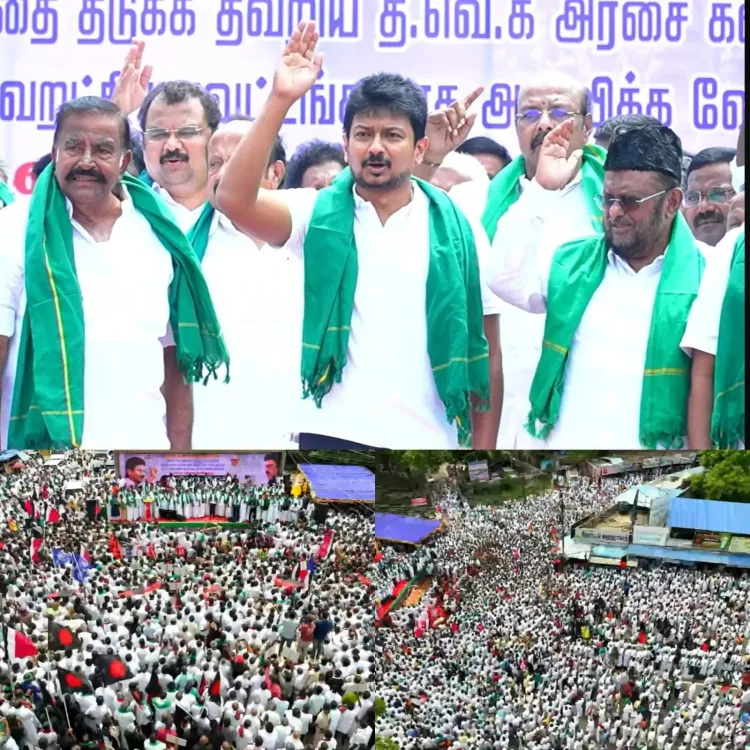
Aadi Perukku protest: DMK held a farmers' rally in Thanjavur on August 3, 2026 , the festival day when the Cauvery traditionally floods, to highlight the river's failure to flow.
Water overdue since June 12: Cauvery water due to Tamil Nadu from June 12 had not arrived by August, threatening the Kuruvai paddy crop in delta districts.
Three demands issued: Full farm-loan waiver, a special Kuruvai relief package, and declaration of delta districts as drought-affected.
Mekedatu Dam opposition: Stalin criticised the Chief Minister for seeking talks with a Karnataka government that insists on building the Mekedatu Dam , which Tamil Nadu opposes.
All-party meeting demanded: Stalin questioned why the Chief Minister had not convened an all-party meeting in Tamil Nadu to present a united front, as Karnataka did on its side.
Agitation escalation warning: The DMK declared its protest will continue and grow until farmer demands are met.
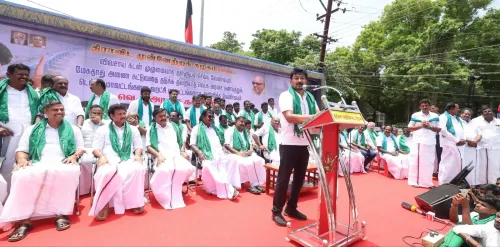
On the sacred festival of Aadi Perukku — the day the Cauvery is traditionally celebrated for its life-giving floods — delta farmers in Thanjavur are protesting in anguish instead of joy. DMK president M. K. Stalin on Monday, August 3, 2026, issued a sharp warning that the party's agitation will intensify unless the Tamil Nadu government fulfils its promises to Cauvery farmers — and called out what he described as a deafening silence from the state's Chief Minister toward Karnataka.
A protest on a day meant for celebration
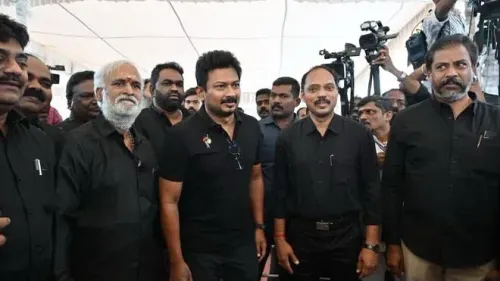
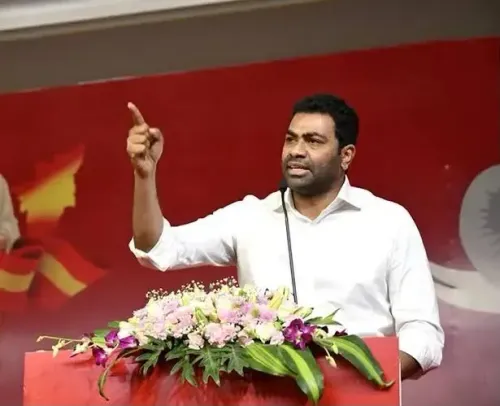
The rally in Thanjavur was led by DMK leader and opposition party head Udhayanidhi Stalin, drawing together allied party leaders including Jawahirullah M. H. of Manithaneya Makkal Katchi, Thamimun Ansari, and Nellai Mubarak, alongside farmers' union representatives. Stalin thanked all participants on behalf of the Dravida Munnetra Kazhagam for lending their voice to the cause of the farming community.
The timing was deliberate and pointed. Aadi Perukku, celebrated on the 18th day of the Tamil month of Aadi, is the occasion when the Cauvery is supposed to swell with fresh monsoon waters — a moment of festivity for riverbank communities across the delta. This year, Stalin noted, the river ran dry on a day it should have run full, and farmers' grief overflowed where water should have.
Cauvery water due since June 12 — still absent in August
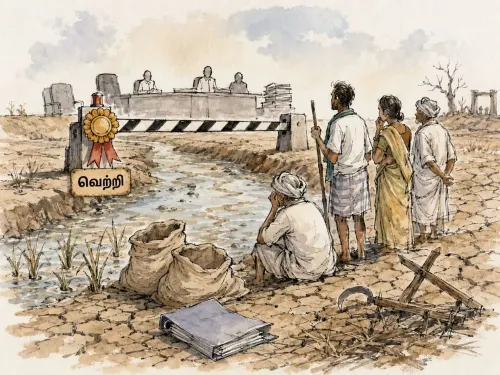
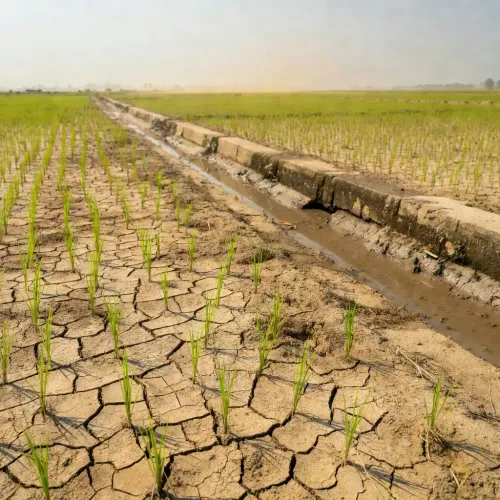
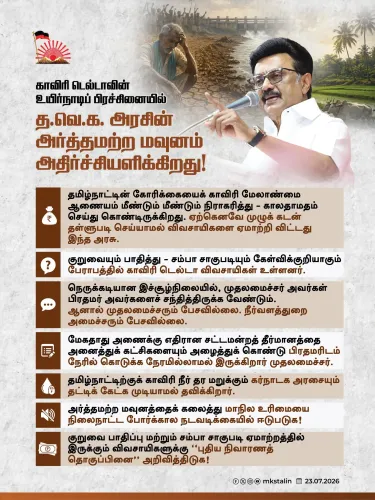
At the heart of the protest is a straightforward, damning timeline. Stalin stated that Cauvery water due to Tamil Nadu since June 12 had not arrived even after August began — a delay that has left the critical Kuruvai (short-season) paddy crop in the delta districts severely stressed. He demanded that the state government declare delta districts as drought-affected, release a special Kuruvai relief package, and — most pointedly — press Karnataka hard for the water Tamil Nadu is legally entitled to.
The Cauvery Water Disputes Tribunal delivered its final award in 1991 allocating shares among basin states, and the Supreme Court of India modified those allocations in 2018, directing the formation of a Cauvery Water Management Authority to oversee releases. Despite this institutional architecture, downstream flows to Tamil Nadu during monsoon shortfalls have remained a perennial flashpoint, with Karnataka's reservoir management and the long-pending Mekedatu Dam proposal adding fresh friction every season.
The Mekedatu question and the Chief Minister's silence
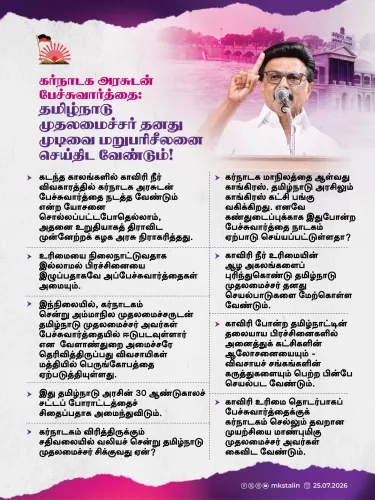
Stalin trained particular fire on what he characterised as the Chief Minister's eagerness to hold talks with Karnataka — a state that, he argued, is adamant about building the Mekedatu Dam across the Cauvery, a project Tamil Nadu has consistently opposed as a threat to downstream water rights. He pointedly asked whether the Chief Minister had seen reports of an all-party meeting held in Karnataka on the issue — and why no equivalent all-party consultation had been convened in Tamil Nadu to present a united front.
The critique extended to election promises: Stalin accused the ruling party of having offered complete farm-loan waiver as a pre-election commitment and then failing to deliver it, describing the administration as a 'fraudulent government' that had deceived the farming community. He also referenced farmers from Tamil Nadu reportedly arrested in Nagpur during a protest, and said not a word of condemnation had come from the Chief Minister.
DMK's three non-negotiable demands
Stalin closed with three clear demands directed at the state government: honour the full farm-loan waiver promise; provide a special Kuruvai relief package and declare delta districts drought-affected; and defend Tamil Nadu's Cauvery water rights with urgency rather than diplomatic deference. 'Until then,' he declared, 'the DMK's agitation will continue.'
With the Kuruvai sowing window narrowing by the day and Aadi Perukku passing without a drop of fresh Cauvery water, the delta's farmers are not waiting for the next tribunal cycle. The DMK has served notice — and the monsoon clock is ticking.
Point of View
And by tying water scarcity to an unfulfilled loan-waiver promise, Stalin is constructing a compound grievance that is harder for the ruling party to deflect. The Mekedatu angle adds a federalism dimension — casting the Chief Minister as insufficiently assertive against Karnataka — which broadens the attack beyond farmers to Tamil pride. Whether the DMK can sustain street momentum into a formal all-party demand will determine whether this remains a protest or becomes a political crisis for the state government.
NationPress
17 Sept 2026
Frequently Asked Questions
Why are Tamil Nadu farmers protesting on Aadi Perukku 2026?
Farmers in the Cauvery delta are protesting because Karnataka has not released Cauvery water that was due to Tamil Nadu since June 12, leaving the Kuruvai paddy crop without irrigation even as the Aadi Perukku festival — when the river traditionally floods — arrived dry.
What is the Mekedatu Dam and why does Tamil Nadu oppose it?
The Mekedatu Dam is a proposed Karnataka project on the Cauvery river. Tamil Nadu opposes it arguing that the dam would give Karnataka greater control over downstream water flows, reducing the volume reaching Tamil Nadu's delta districts.
What did M. K. Stalin demand from the Tamil Nadu government?
Stalin demanded three things: complete farm-loan waiver as promised before elections, a special Kuruvai crop relief package along with drought declaration for delta districts, and firm action to secure Tamil Nadu's legal share of Cauvery water from Karnataka.
What is the Cauvery Water Management Authority?
The Cauvery Water Management Authority was directed to be formed by the Supreme Court in its 2018 judgment modifying the Cauvery Water Disputes Tribunal's 1991 award, with a mandate to oversee and enforce water-release schedules among Karnataka, Tamil Nadu, Kerala, and Puducherry.
Who participated in the DMK's Thanjavur protest over Cauvery water?
The rally was led by Udhayanidhi Stalin and included allied party leaders Jawahirullah M. H. of Manithaneya Makkal Katchi, Thamimun Ansari, and Nellai Mubarak, along with administrators from allied parties and representatives of multiple farmers' unions.