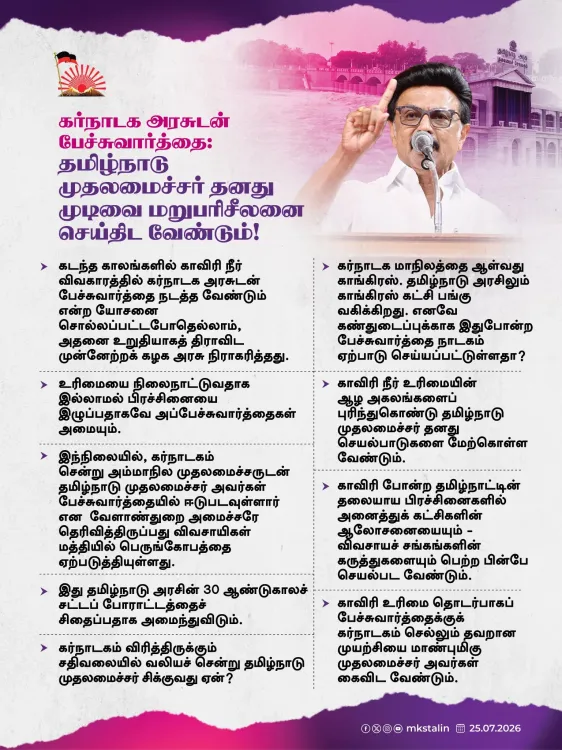
Stalin urges TN CM to drop Karnataka talks on Cauvery
Synopsis
DMK president M. K. Stalin on 25 July 2026 publicly urged Tamil Nadu's Chief Minister to abandon a proposed bilateral meeting with Karnataka on Cauvery water sharing, warning it would erode court-backed rights won over decades and calling for an all-party meeting and farmer consultations instead.
Key Takeaways
Stalin on 25 July 2026 publicly called on the Tamil Nadu Chief Minister to cancel a proposed visit to Karnataka for Cauvery water talks.
Stalin warned that bilateral negotiations would 'erode rights won through years of legal struggle' and cause 'a setback in court.' The DMK has rejected proposals for direct Cauvery talks with Karnataka since the 1990s , insisting on implementation of judicial awards.
The Supreme Court of India in February 2018 revised the Cauvery allocation, reducing Tamil Nadu's share — a ruling Tamil Nadu insists must be fully enforced.
Stalin invoked the concerns of Thanjavur delta farmers and said Cauvery rights must not be mortgaged for alliance politics.
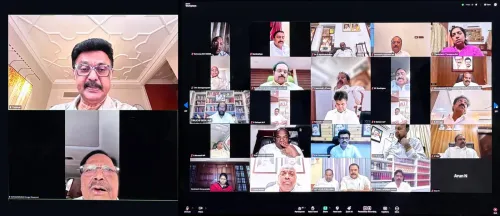
He announced plans to hold an all-party meeting and consult farmer associations before taking further steps.
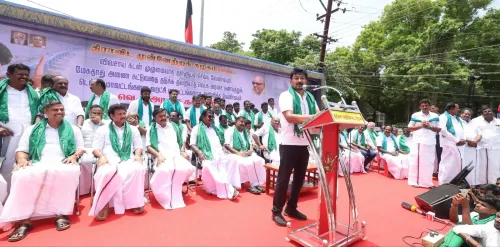
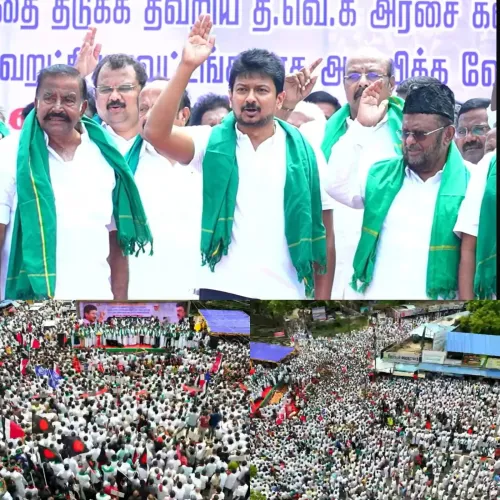
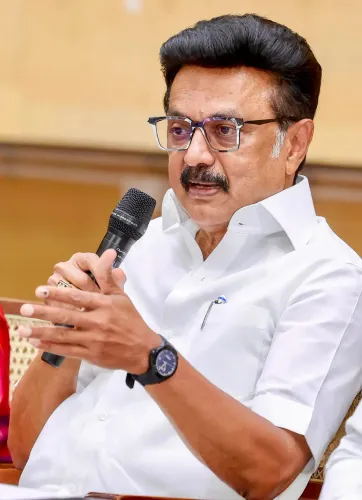
DMK president M. K. Stalin on Saturday, 25 July 2026, called on Tamil Nadu Chief Minister to abandon a proposed visit to Karnataka for bilateral negotiations on Cauvery water sharing, warning that such talks would undermine the state's hard-won legal rights and weaken its position in court.
Context
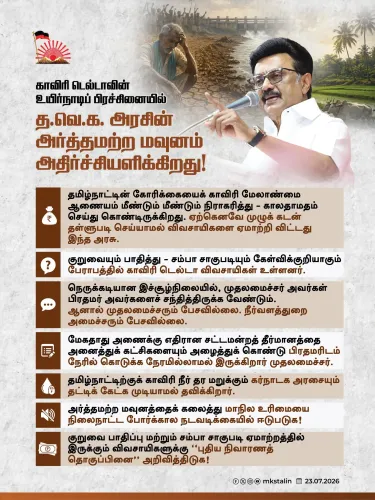
In a strongly worded post in Tamil, Stalin described any bilateral negotiation with Karnataka as a 'conspiracy trap' (sativalaiyil), urging the Chief Minister to reject what he called a 'poisonous test' (vishap pariksha). He wrote that such talks would 'erode the rights won through years of legal struggle' and 'cause a setback in court.' Stalin added that the DMK has 'firmly rejected this idea every time it has been proposed in the past.'
He also said that delta farmers speak with 'one unanimous voice' — that Tamil Nadu's Cauvery rights must not be mortgaged in the intoxication of alliance politics. He announced plans to convene an all-party meeting and consult farmer associations before taking the next steps.
Policy Backdrop
The Cauvery Water Disputes Tribunal, constituted under the Inter-State River Water Disputes Act, delivered its final award in 1991, subsequently notified by the central government. The Supreme Court of India, in its landmark February 2018 judgment, revised the allocation — reducing Tamil Nadu's share while increasing Karnataka's — a ruling Tamil Nadu has consistently sought to enforce in full.
DMK-led governments have, since the 1990s, maintained a firm policy of rejecting direct bilateral talks with Karnataka, insisting instead on strict implementation of court orders. Stalin's current statement continues that institutional line, framing bilateral dialogue not as diplomacy but as a legal liability.
Stakeholders and Impact
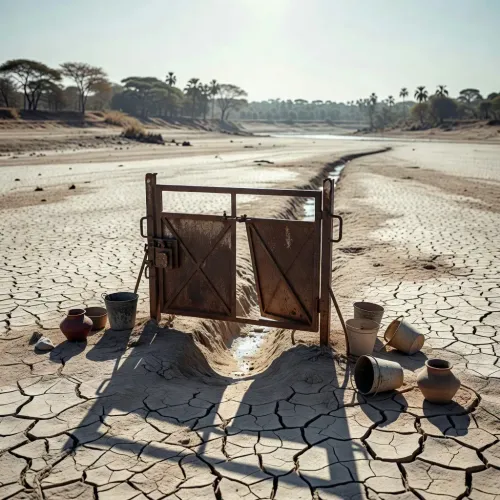
The Thanjavur delta — one of India's most fertile agricultural belts — depends directly on scheduled Cauvery releases from Karnataka's reservoirs. Any perceived dilution of Tamil Nadu's legal entitlements would directly affect irrigation cycles for delta farmers who cultivate paddy across multiple seasons.
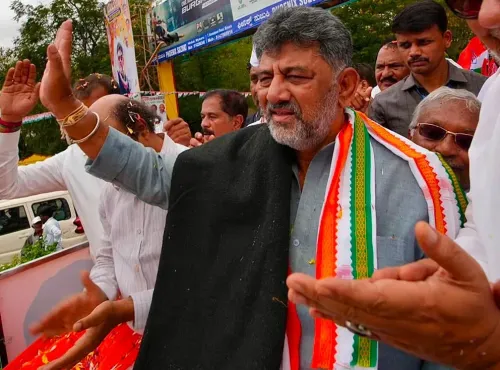
Stalin's invocation of 'alliance politics' is significant: both the DMK in Tamil Nadu and the Congress-led government in Karnataka are part of the broader INDIA bloc at the national level. The statement signals that inter-state water rights, in Stalin's framing, stand above coalition solidarity.
What's Next
Stalin has announced that he will convene an all-party meeting and hold consultations with farmer associations before deciding on further action. The immediate question is whether the Tamil Nadu Chief Minister will cancel or proceed with the proposed visit to Karnataka. The outcome of those consultations will determine whether the dispute returns sharply to the judicial track or opens a new political chapter in one of India's longest-running inter-state river disputes.
Point of View
' he draws a sharp line between coalition loyalty and state interest, putting pressure on the Tamil Nadu Chief Minister from within the ruling establishment. The move follows a decades-old DMK playbook of keeping the Cauvery dispute firmly on the judicial track, where Tamil Nadu's position is codified, rather than the negotiating table, where it is fluid. Coming ahead of any confirmed bilateral meeting, the statement serves as a pre-emptive veto — publicly raising the political cost of proceeding. It also consolidates Stalin's standing as the custodian of Tamil identity politics even from outside the Chief Minister's chair.
NationPress
24 Oct 2026
Frequently Asked Questions
Why is M. K. Stalin opposing Cauvery talks with Karnataka?
Stalin argues that bilateral negotiations would undermine Tamil Nadu's legal rights established through decades of tribunal awards and Supreme Court rulings, and could weaken the state's court position. He has historically insisted on strict implementation of judicial orders rather than fresh negotiations.
What is the Cauvery water dispute between Tamil Nadu and Karnataka?
The Cauvery dispute concerns the sharing of river water between upper-riparian Karnataka and lower-riparian Tamil Nadu. The Cauvery Water Disputes Tribunal issued its final award in 1991, and the Supreme Court revised the allocation in February 2018, reducing Tamil Nadu's share — a judgment Tamil Nadu continues to seek full enforcement of.
What did the Supreme Court say about Cauvery water sharing?
In its February 2018 judgment, the Supreme Court of India modified the Tribunal's award, reducing Tamil Nadu's allocated share of Cauvery water while increasing Karnataka's share. Tamil Nadu has since sought strict compliance with this order.
What action has Stalin announced on the Cauvery issue?
Stalin announced he would convene an all-party meeting and consult farmer associations before deciding on the next course of action, signalling a broad political mobilisation around the issue rather than executive-level talks with Karnataka.
How does the Cauvery dispute affect Tamil Nadu farmers?
The Thanjavur delta, one of Tamil Nadu's most fertile agricultural regions, depends on timely Cauvery water releases from Karnataka's reservoirs for irrigation. Any reduction in water flows or dilution of legal entitlements directly affects paddy cultivation across multiple cropping seasons.