Storm wipes out 10,000 banana plants in Erode, farmers face ₹50 lakh loss
Synopsis
A single night of heavy rain and gusting winds wiped out over 10,000 nearly-mature Nendran banana plants across Erode's Ammapettai belt, leaving farmers staring at an estimated ₹50 lakh loss — just weeks before harvest. With many growers already carrying cultivation loans, the storm has turned an expected payday into a debt crisis.
Key Takeaways
More than 10,000 banana plants were uprooted by a storm in Erode district, Tamil Nadu , on the night of 14 September 2026 .
Affected villages include Boothapadi , Anna Nagar , Poonachi , Kemmiyampatti , Patlur , and Muliyanur .
Most destroyed plants were the Nendran variety , cultivated for nearly seven months and close to harvest.
Preliminary losses are estimated at around ₹50 lakh ; the final figure could be higher.
Farmers have appealed to the Tamil Nadu government and Revenue and Agriculture departments for urgent compensation and damage assessment.
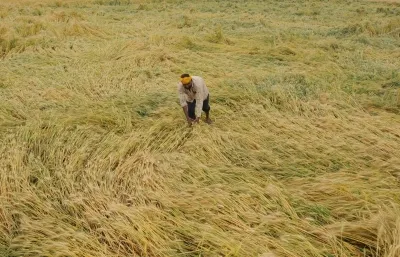
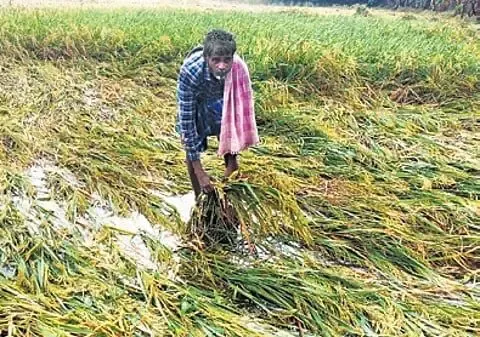
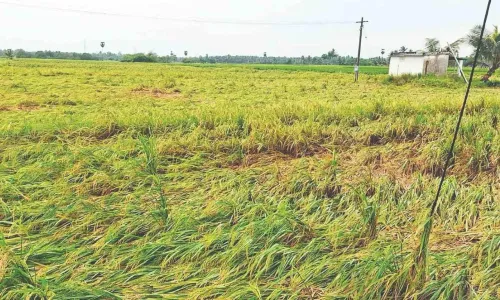
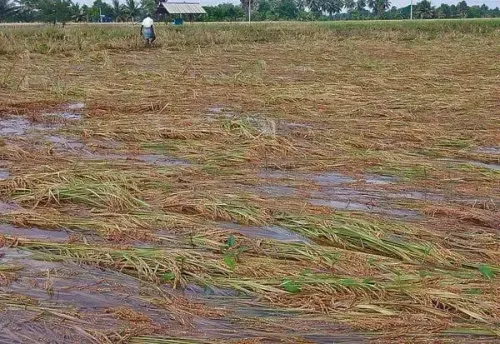
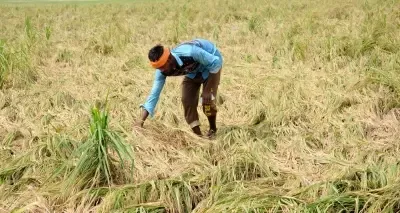
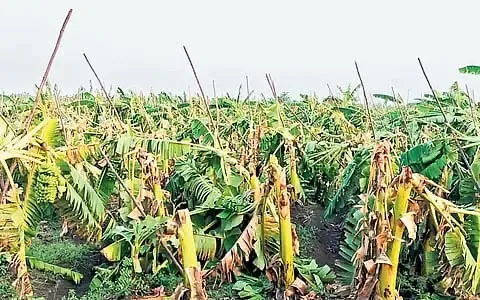
More than 10,000 banana plants were uprooted or destroyed after heavy rain and powerful winds tore through Ammapettai and surrounding villages in Tamil Nadu's Erode district on the night of 14 September 2026, from Sunday evening until midnight. Preliminary estimates put the combined crop loss at around ₹50 lakh, with farmers warning that a full damage assessment could push the figure higher.
Areas and Farmers Affected
The storm caused extensive damage across Boothapadi village near Ammapettai and several adjacent localities, including Anna Nagar, Poonachi, Kemmiyampatti, Patlur, and Muliyanur. Plantations belonging to multiple growers — among them Senthil Kumar, 43, Veluchamy, 73, Kaveri, 76, Parimala, 56, Moorthy, 62, and Poonachi Eesan — were among those severely affected. Farmers said the intensity of the wind left them with little opportunity to protect their standing crops.
Why the Timing Made It Worse
Most of the destroyed plants were of the Nendran variety, a premium banana cultivar, and had been under cultivation for nearly seven months. They were approaching the bunch-production stage — the point at which growers expect to begin recovering their investment. The destruction of the crop at this critical juncture has left affected farmers in severe financial distress.
Farmers told reporters they had already sunk substantial sums into land preparation, sapling purchases, fertiliser and pesticide applications, irrigation upkeep, and agricultural labour wages. With harvest imminent, they had expected to clear debts and earn a reasonable return. The storm erased those prospects overnight.
A Crisis Compounded by Pre-existing Pressures
The crop loss arrives against a difficult backdrop. Affected growers said they had already been contending with rising cultivation costs, volatile market prices for bananas, and a persistent shortage of farm labour. Several had borrowed money specifically to finance this crop cycle, making the loss not just an agricultural setback but a direct debt burden.
This is not an isolated incident — unseasonal rain and wind events have caused repeated damage to horticultural crops across Tamil Nadu in recent seasons, exposing the vulnerability of small and marginal farmers who lack crop insurance coverage or access to rapid relief.
Farmers' Demand for Relief
The affected growers have urged officials from the Revenue and Agriculture departments to conduct an immediate on-site inspection and carry out a comprehensive damage assessment. They have also appealed to the Tamil Nadu government to disburse adequate compensation and relief measures without delay, stating that timely financial assistance is essential for them to overcome the setback and resume cultivation in the next season.
As authorities are yet to respond publicly, the scale of state intervention — and its speed — will determine whether these farmers can replant before the next viable cultivation window closes.
Point of View
Valued for its premium market price, demands months of investment — making a last-minute wipeout financially catastrophic. Tamil Nadu's compensation machinery has historically moved slowly relative to the speed at which crop losses compound into debt crises. The real question is not whether officials will inspect, but whether disbursements will arrive before farmers' loan repayment windows close.
NationPress
14 Sept 2026
Frequently Asked Questions
What caused the banana crop destruction in Erode?
Heavy rain accompanied by powerful winds lashed Ammapettai and surrounding areas in Erode district, Tamil Nadu, from Sunday evening until midnight on 14 September 2026. The storm uprooted or broke more than 10,000 banana plants across multiple villages.
Which areas and farmers were affected by the storm?
The damage was concentrated in Boothapadi village near Ammapettai and extended to Anna Nagar, Poonachi, Kemmiyampatti, Patlur, and Muliyanur. Among the named affected growers are Senthil Kumar, Veluchamy, Kaveri, Parimala, Moorthy, and Poonachi Eesan.
How much financial loss did the storm cause to Erode farmers?
Preliminary estimates put the combined loss at around ₹50 lakh. Farmers have cautioned that a full assessment by Revenue and Agriculture department officials could reveal an even higher figure.
Why was the timing of the storm particularly damaging?
Most of the destroyed plants were Nendran variety bananas that had been cultivated for nearly seven months and were close to producing bunches — the stage at which farmers begin recovering their investment. The storm destroyed the crop just before harvest, turning anticipated earnings into losses at the worst possible moment.
What are the farmers demanding from the Tamil Nadu government?
Affected farmers have urged the Revenue and Agriculture departments to immediately inspect damaged plantations and conduct a comprehensive damage assessment. They have also appealed to the Tamil Nadu government for prompt compensation and financial relief to help them overcome the loss and resume cultivation.