CM Sukhu Holds Open Durbar at Shimla Secretariat
Synopsis
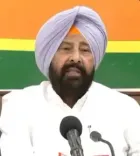
Himachal Pradesh Chief Minister Sukhvinder Singh Sukhu held an open citizen-meeting at the Shimla Secretariat on October 5, personally hearing grievances from visitors and directing officials to act swiftly — invoking the principle of 'Seva Paramo Dharma' to frame public service as the government's core duty.
Key Takeaways
CM Sukhvinder Singh Sukhu met visiting citizens at the Shimla Secretariat on Monday, October 5, 2026 .
He personally listened to grievances brought by residents who came to his office.
Directions were issued to relevant officials for 'swift and appropriate' resolution of problems.
The session was framed under the Sanskrit principle Seva Paramo Dharma — 'service is the supreme duty.' Open darbars are a long-standing practice in Himachal Pradesh governance, aimed at ensuring direct executive access for citizens.
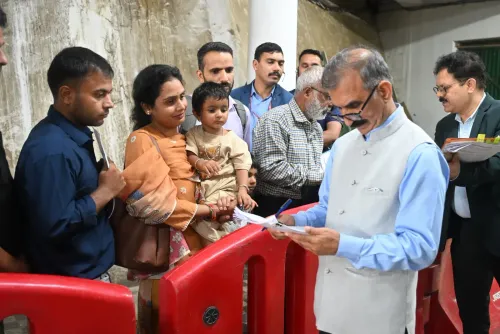
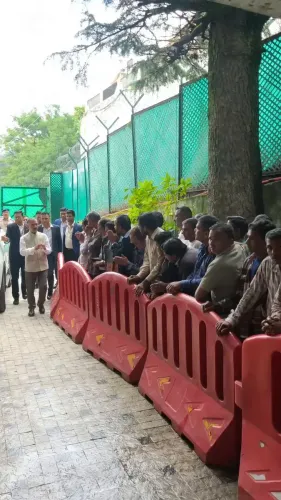
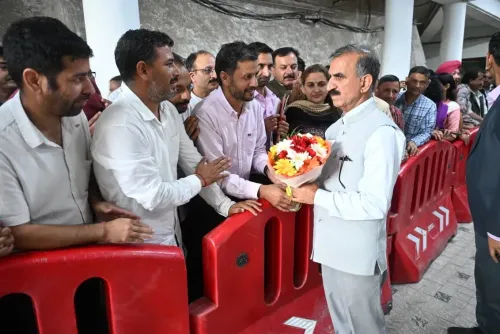
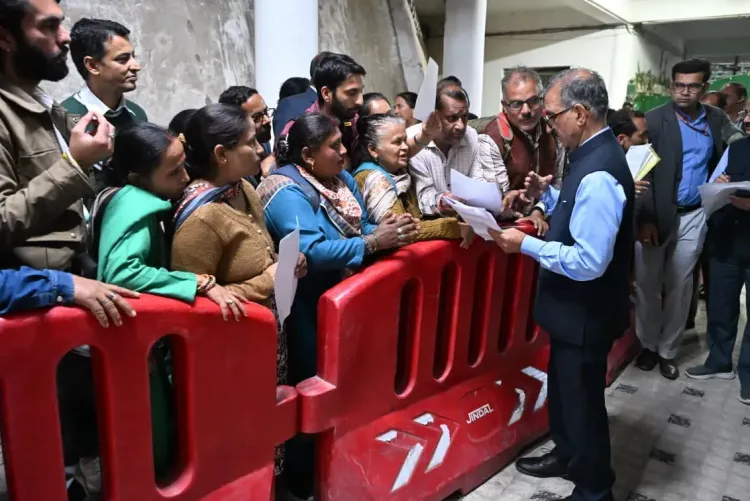
At the Himachal Pradesh Secretariat in Shimla on Monday evening, Chief Minister Sukhvinder Singh Sukhu opened his door — quite literally — to citizens who walked in with grievances, sitting with them, listening, and dispatching instructions to officials on the spot. The act, rooted in the ancient principle of seva paramo dharma (service is the highest duty), was a reminder that governance, at its most elemental, is about proximity to the governed.
What happened at the Secretariat
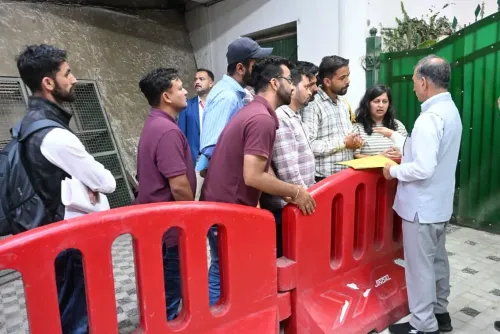
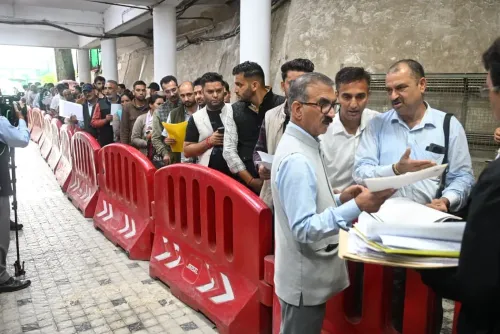
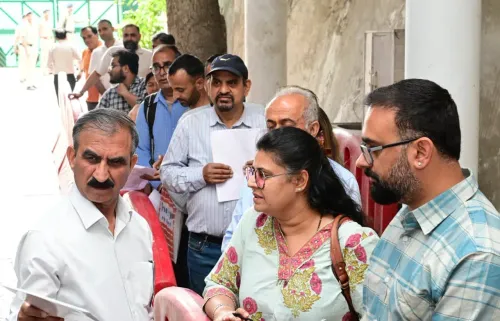
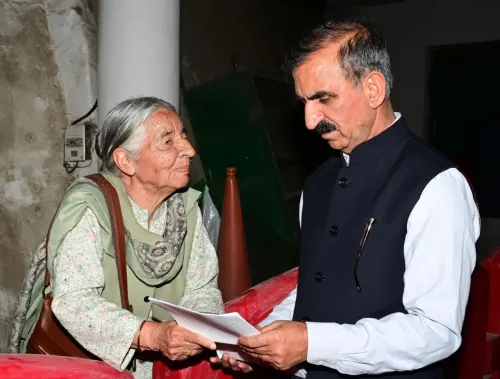
The Chief Minister met visiting residents at the Shimla Secretariat, heard their concerns firsthand, and directed the relevant officials to act swiftly and appropriately. Sukhu framed the session around the Sanskrit maxim 'Seva Paramo Dharma' — service as the supreme duty — underscoring that public service is meaningless without a genuine emotional connection to people's joys and sorrows.
The open-door tradition in Himachal politics
Chief ministerial open darbars — where ordinary citizens can present petitions and grievances directly to the head of government — have a long history in Himachal Pradesh. They serve as a pressure-release valve for constituents who feel their problems have not been addressed through the standard bureaucratic channel. For a hill state where district headquarters can be days of travel from remote villages, direct access to the CM carries genuine weight.
By issuing directions to officers in the same sitting, Sukhu signalled an intent to collapse the gap between complaint and resolution — skipping the slow relay of files that often buries grassroots grievances.
The politics of visible accessibility
In a state where constituency-level discontent can shift elections on thin margins, being seen as reachable matters enormously. Posting the session publicly — with photographs and the 'seva paramo dharma' framing — turns an administrative act into a political statement: that this government governs with its ears to the ground. The message is aimed as much at officials watching their Chief Minister set the tone as it is at the citizens who showed up.
Whether instructions issued in an open durbar translate into durable redressal is the harder question — one that the visitors who walked into the Secretariat today will answer for themselves over the weeks ahead.
Point of View
Which has navigated a slim legislative majority and persistent fiscal pressures, demonstrating on-the-ground responsiveness is as important as any policy announcement. The 'seva' framing elevates routine constituency work into a statement of governing philosophy, signalling to both voters and the bureaucracy that accessibility is non-negotiable. The durbar tradition, however, is only as meaningful as the follow-through — and that is what opposition parties in the state will be watching.
NationPress
5 Oct 2026
Frequently Asked Questions
What is a Chief Ministerial open durbar in Himachal Pradesh?
An open durbar is a public audience where the Chief Minister directly receives citizens, hears their personal grievances, and issues instructions to officials — bypassing the standard bureaucratic file process for faster redressal.
What did CM Sukhu do at the Shimla Secretariat on October 5?
CM Sukhvinder Singh Sukhu met visiting residents at the Shimla Secretariat, listened to their problems, and directed the concerned officials to resolve those issues swiftly and appropriately.
What does 'Seva Paramo Dharma' mean?
'Seva Paramo Dharma' is a Sanskrit phrase meaning 'service is the supreme duty.' Sukhu used it to frame public service as being rooted in a genuine connection to people's everyday joys and sorrows.
Is CM Sukhu from Congress or BJP?
Sukhvinder Singh Sukhu is a member of the Indian National Congress and has served as the Chief Minister of Himachal Pradesh since December 2022.
Where is the Himachal Pradesh Secretariat located?
The Himachal Pradesh Secretariat is located in Shimla, the state capital, and serves as the primary administrative hub of the state government.