Sultanganj station buzzes with saffron trade under OSOP ahead of Shravani Mela
Synopsis
Sultanganj railway station is no longer just a transit point during Shravani Mela — it is a marketplace. Under the OSOP scheme, a dedicated stall selling saffron Kanwariya attire has turned a pilgrim bottleneck into a local livelihood opportunity, illustrating how Indian Railways is syncing retail with religious calendars across 2,000-plus stations.
Key Takeaways
Sultanganj railway station in Bhagalpur, Bihar has set up an OSOP outlet selling saffron and ochre attire for Kanwariyas during the Shravani Mela .
Shopkeeper Anil Singhania secured the stall under Indian Railways' One Station, One Product scheme, stocking bags, trousers, T-shirts, and vests.
The OSOP initiative was introduced in the Union Budget 2022–23 and piloted on 25 March 2022 across all Zonal Railways.
Over 2,000 railway stations now host around 2,326 OSOP outlets nationwide, supporting local artisans and Self-Help Groups (SHGs) .
The scheme promotes indigenous products including tribal artefacts, handloom goods, handicrafts, and locally grown food products.
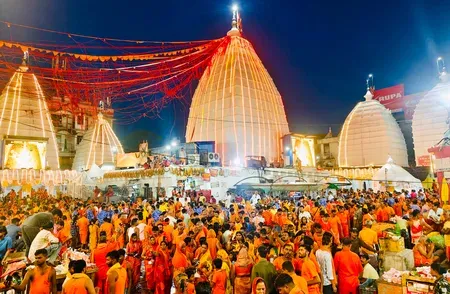
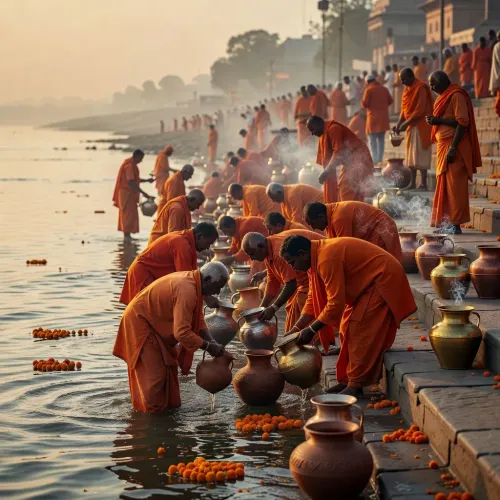
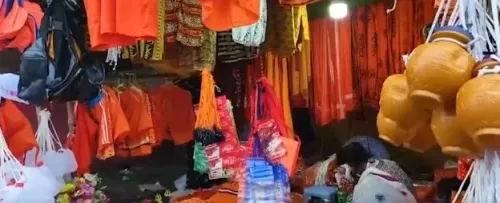
Sultanganj railway station in Bihar's Bhagalpur district has transformed into a vibrant hub of devotional commerce this July 2025, as Indian Railways' 'One Station, One Product' (OSOP) scheme brings locally relevant retail directly to pilgrims heading for Baba Dham during the Shravani Mela. A dedicated outlet at the station is now selling saffron and ochre-coloured attire tailored specifically for Kanwariyas — devotees of Lord Shiva who collect holy water at Sultanganj before undertaking their sacred journey.
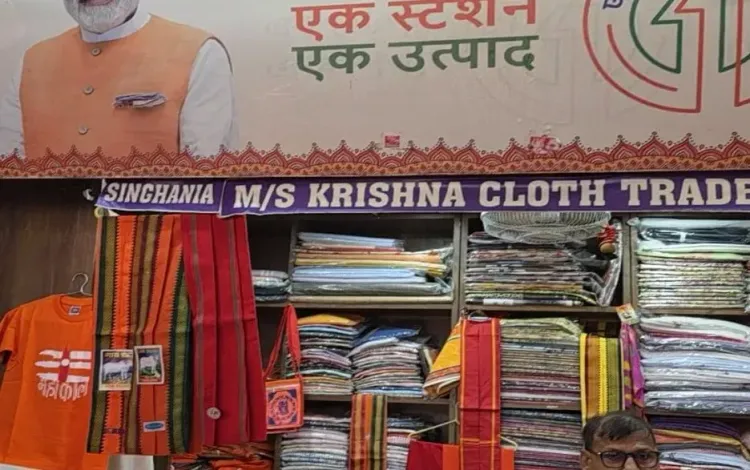
The OSOP Outlet at Sultanganj
Shopkeeper Anil Singhania secured the stall under the OSOP initiative and has stocked it with clothing suited to the Shravani Mela season — bags, trousers, T-shirts, and vests, all in the saffron and ochre hues that define the pilgrimage. Singhania noted that Kanwariyas travel from multiple states and districts to Sultanganj, creating a concentrated and predictable demand for devotional merchandise.
'Kanwariyas from various states and districts come here to collect holy water before setting off for Baba Dham. I have made extensive preparations regarding the specific attire worn during the Shravani Mela,' Singhania said. He added: 'Every street and corner of Sultanganj has turned saffron.'
What the OSOP Scheme Is
Introduced in the Union Budget 2022–23, the One Station, One Product initiative was piloted across all Zonal Railways on 25 March 2022. It creates dedicated retail spaces at railway stations to promote indigenous goods — from tribal artefacts and handloom textiles to wood carvings, spices, tea, and processed food products — that reflect the cultural identity of the surrounding region.
The scheme provides market access to local artisans and Self-Help Groups (SHGs), with the goal of generating sustainable livelihoods. Each station identifies a product specific to its local area, and space is allocated for its sale through stalls, kiosks, or dedicated outlets.
Scale and Reach
As of now, over 2,000 railway stations across India host approximately 2,326 OSOP outlets, connecting local producers with millions of rail passengers daily. The programme has grown steadily since its pilot launch, with Indian Railways outlining a detailed roadmap for further expansion to additional stations and product categories.
Why Sultanganj Is a Fitting Showcase
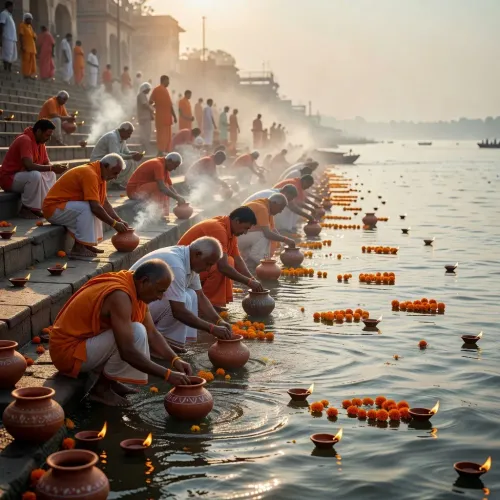
The Shravani Mela, held every year during the holy month of Shrawan, draws massive footfall to Sultanganj, which sits on the banks of the Ganga and serves as the primary point for collecting holy water destined for the Baidyanath Dham temple in Deoghar. This seasonal surge in pilgrims makes the station an ideal venue for the OSOP model — high traffic, culturally homogeneous demand, and a captive audience with specific purchasing needs.
This comes amid a broader push by Indian Railways to monetise station footfall while simultaneously supporting grassroots economic activity. Notably, the Sultanganj example demonstrates how the scheme adapts to local religious calendars rather than operating as a static retail fixture.
What Comes Next
With the Shravani Mela season at its peak, footfall at Sultanganj is expected to remain high through the month of Shrawan. If the pilot's commercial results are strong, it could serve as a template for other pilgrimage-linked stations across India to align their OSOP product selections with seasonal religious events.
Point of View
326 outlets operate year-round with mixed results; pilgrimage nodes like Sultanganj, Varanasi, and Tirupati represent a structurally different opportunity where seasonal demand is predictable and culturally specific. Indian Railways has not yet published disaggregated revenue or livelihood data by outlet, making it difficult to assess whether the broader rollout is generating the sustainable incomes it promises. That transparency gap is worth closing before the scheme is scaled further.
NationPress
27 Oct 2026
Frequently Asked Questions
What is the One Station, One Product (OSOP) scheme?
The One Station, One Product (OSOP) scheme is an Indian Railways initiative introduced in the Union Budget 2022–23 that creates dedicated retail outlets at railway stations to sell indigenous, locally produced goods. It was piloted across all Zonal Railways on 25 March 2022 and now covers over 2,000 stations with around 2,326 outlets.
What is being sold at the Sultanganj railway station OSOP outlet?
The Sultanganj OSOP outlet sells saffron and ochre-coloured clothing — including bags, trousers, T-shirts, and vests — tailored for Kanwariyas participating in the Shravani Mela. Shopkeeper Anil Singhania set up the stall to serve pilgrims collecting holy water from the Ganga before travelling to Baba Dham.
Who benefits from the OSOP scheme?
The scheme is designed to benefit local artisans, weavers, tribal craftspeople, and Self-Help Groups (SHGs) by giving them access to the high footfall of railway stations. It aims to generate sustainable livelihoods by connecting local producers directly with millions of rail passengers.
How many OSOP outlets are currently operational across India?
As of the latest available data, approximately 2,326 OSOP outlets are operational at over 2,000 railway stations across India, according to Indian Railways.
Why is Sultanganj significant for the Shravani Mela?
Sultanganj, situated on the banks of the Ganga in Bhagalpur district, Bihar, is the primary collection point for holy water that Kanwariyas carry to the Baidyanath Dham temple in Deoghar during the Shravani Mela. The annual pilgrimage draws devotees from multiple states, making the station one of the highest-footfall nodes in the region during the month of Shrawan.