Supreme Court Dismisses Plea Against Sonam Wangchuk's NSA Detention
Synopsis
In a significant development, the Supreme Court has dismissed a petition challenging the detention of Ladakh activist Sonam Wangchuk under the NSA, following the revocation of his detention order. This case underscores the ongoing dialogue regarding civil rights and regional stability.
Key Takeaways
Supreme Court dismissed habeas corpus petition regarding Sonam Wangchuk.
Wangchuk's detention under NSA was revoked on March 14.
The case highlights the intersection of civil rights and national security.
Wangchuk advocates for dialogue in Ladakh following his release.
Public support was pivotal in addressing Wangchuk's detention.
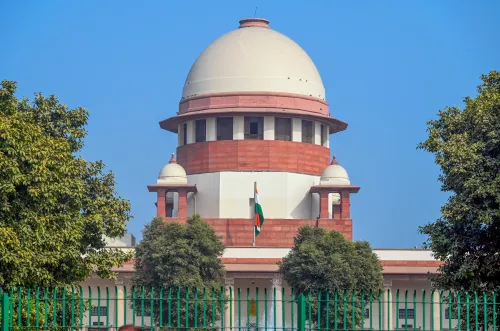
New Delhi, March 23 (NationPress) The Supreme Court on Monday dismissed a habeas corpus petition submitted by Gitanjali J. Angmo, which contested the detention of her spouse, Ladakh-based social activist Sonam Wangchuk, under the National Security Act (NSA). The court acknowledged that the preventive detention order had already been annulled, resulting in his release.
During the proceedings, Justices Aravind Kumar and P.B. Varale were informed by Solicitor General Tushar Mehta that the Union Ministry of Home Affairs (MHA) had lifted Wangchuk’s detention under the NSA on March 14.
Recognizing this development, the Justice Aravind Kumar-led Bench noted that there was no remaining cause of action since the detention order had been revoked.
Consequently, the apex court determined that the petition had become moot and concluded the proceedings.
The habeas corpus petition was initiated by Wangchuk’s wife, who argued that his detention was “illegal” and constituted an “arbitrary exercise violating his fundamental rights.”
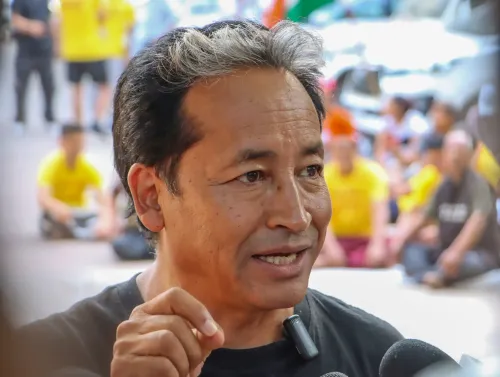
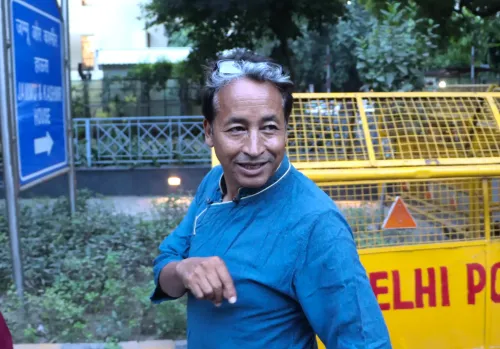
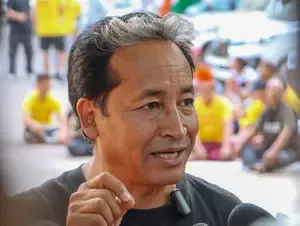
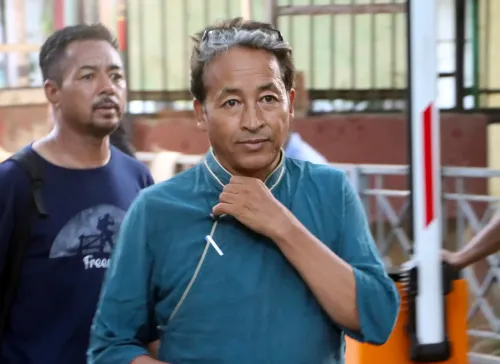
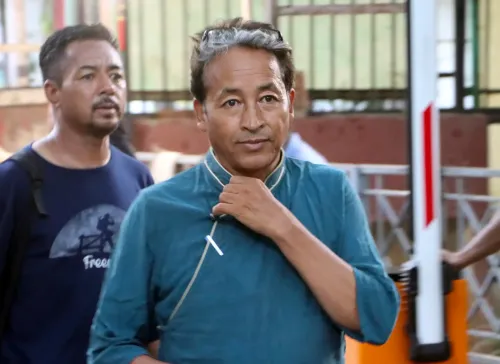
Wangchuk, a prominent climate activist from Ladakh, had been detained on September 26, 2025, under the NSA due to a law and order issue in Leh. He spent 170 days in Jodhpur Central Jail before his release.
Upon revoking the detention earlier this month, the MHA stated that the decision was made after thorough consideration, reaffirming the Union government’s dedication to maintaining peace and encouraging dialogue in the region.
Previously, during the ongoing case, SG Mehta opposed any medical relief, asserting that Wangchuk was “fit, hale, and hearty,” with his health being regularly monitored.
Earlier court sessions had also prompted the Supreme Court to advise the Union government to reassess Wangchuk’s ongoing detention, especially considering his “not very good” health and advancing age.
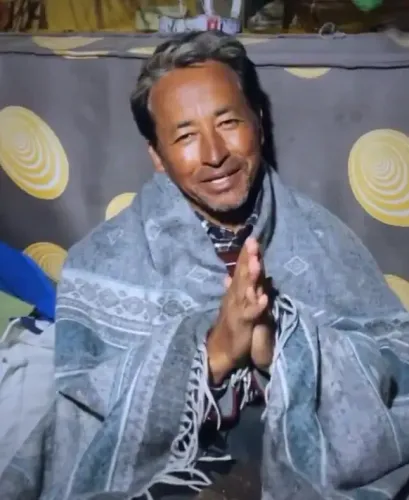
Following his release, Wangchuk expressed appreciation for the Centre’s readiness to engage in “constructive and meaningful dialogue,” emphasizing that this was the primary aim of his movement. He credited sustained public support and legal advocacy for highlighting the issues faced in Ladakh and expressed hope that talks with the authorities would yield a lasting solution.
Point of View
The Supreme Court has underscored the importance of civil liberties while addressing the detention of Sonam Wangchuk, a climate activist. This case illuminates the delicate balance between national security concerns and individual rights, reflecting the ongoing dialogue necessary for stability in the region.
NationPress
24 Sept 2026
Frequently Asked Questions
What was the basis for Sonam Wangchuk's detention?
Sonam Wangchuk was detained under the National Security Act (NSA) due to law and order concerns in Leh.
When was the detention order revoked?
The detention order was revoked by the Union Ministry of Home Affairs on March 14, prior to the Supreme Court's ruling.
What did the Supreme Court conclude about the habeas corpus petition?
The Supreme Court concluded that the petition became moot since the detention order was no longer in effect.
How long was Wangchuk detained?
Wangchuk was detained for 170 days before being released.
What is Sonam Wangchuk's stance after his release?
Wangchuk welcomed the government's willingness to engage in constructive dialogue, emphasizing the importance of public support.