Surat cyber fraud bust: ₹11 crore trail, 53 complaints across 18 states

Synopsis
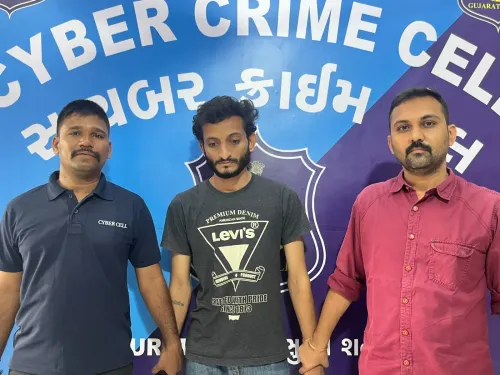
A single mobile phone seized from a 27-year-old in Porbandar held details of 79 bank accounts — and 53 fraud complaints from 18 states totalling ₹11 crore. The Surat Cyber Crime Cell's arrest has exposed an international laundering chain where mule accounts fed cash into USDT wallets, all directed by an absconding accused in Dubai.
Key Takeaways
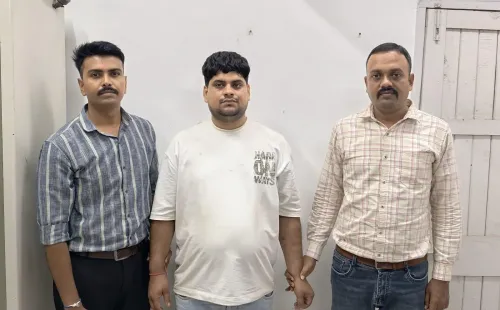
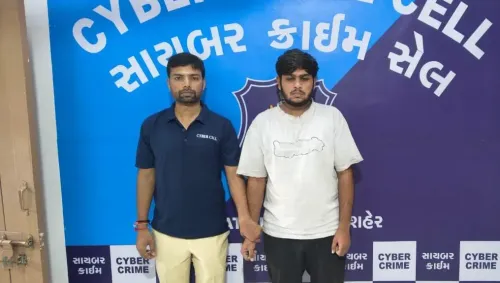
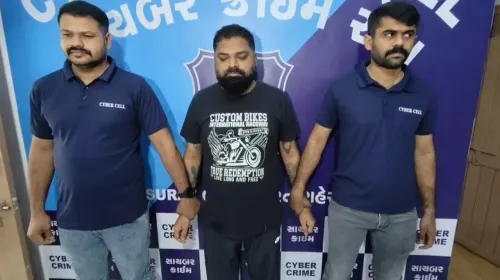
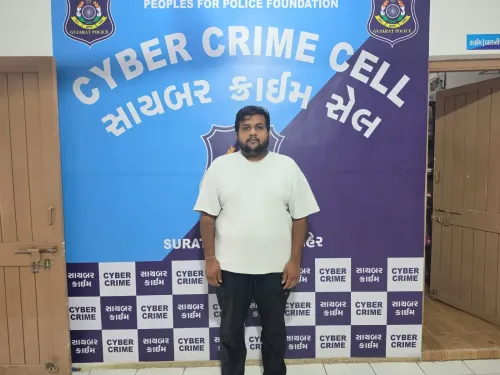
Divyesh alias Bapu alias Divlo Meghnathi , 27, arrested from Porbandar by the Surat Cyber Crime Cell on 8 October 2025 .
Accused allegedly supplied 'mule' bank accounts to a network directed by an absconding accused in Dubai ; he and associates retained 13% commission per transaction.
His mobile phone contained details of 79 bank accounts ; NCCRP checks revealed 53 complaints across 18 states and Union Territories .
Collective fraud amount linked to the accounts: ₹11,03,06,584 .
Proceeds were allegedly converted to USDT and transferred to cryptocurrency wallets on the Dubai accused's instructions.
Police have advised citizens not to share bank accounts for commission and to call helpline 1930 immediately on falling victim to cyber fraud.
The Surat Cyber Crime Cell has arrested a 27-year-old man from Porbandar for allegedly supplying bank accounts to an international cybercrime network, through which fraud proceeds were withdrawn, converted into USDT cryptocurrency, and transferred to wallets on the instructions of an absconding accused based in Dubai, police said on Thursday, 8 October 2025. Checks on the National Cyber Crime Reporting Portal (NCCRP) linked the operation to 53 complaints across 18 states and Union Territories, with a collective fraud trail of ₹11,03,06,584.
Who Was Arrested and What Was Recovered
The accused, identified as Divyesh alias Bapu alias Divlo Meghnathi, was arrested from Porbandar and subsequently remanded to six days of police custody, according to the Surat City Police. A mobile phone seized from him contained details of 79 bank accounts belonging to different banks — accounts that investigators say were used as conduits for laundering cybercrime proceeds.
The case was initially registered after the accused and his associates allegedly conspired to obtain money through cyber fraud and used part of the proceeds to purchase a gold ring from a jewellery shop — a detail that reportedly helped investigators trace the financial trail.
How the Fraud Network Operated
According to investigators, Divyesh allegedly sourced so-called 'mule' bank accounts from other absconding accused individuals in exchange for a commission, then shared the account credentials with a Dubai-based absconding accused who directed the operation remotely. The accounts were used to receive funds obtained through cyber fraud, including, according to police, amounts linked to Chinese individuals.
The accused and his associates allegedly withdrew the money via ATMs and cheques, retaining 13 per cent of each transaction as commission. The remainder was reportedly used to purchase USDT from various individuals, which was then transferred to different cryptocurrency wallets as directed by the Dubai-based accused — a layering method commonly used to obscure the origin of illicit funds.
Scale of Complaints Across India
NCCRP checks on the 79 flagged accounts surfaced 53 complaints from across the country. The state-wise breakdown includes nine complaints from Gujarat, seven from Uttar Pradesh, five from Telangana, three each from Haryana, Karnataka, Maharashtra, and West Bengal, and two each from Andhra Pradesh, Chandigarh, Kerala, and Madhya Pradesh. Single complaints were registered in Delhi, Goa, Odisha, Punjab, Rajasthan, and Assam. The geographic spread underscores the cross-state reach of what police describe as a coordinated international network.
The case has been registered under Sections 317(4), 318(4), 61(2), and 3(5) of the Bharatiya Nyaya Sanhita, 2023, and Section 66(D) of the Information Technology Amendment Act, 2008.
Police Advisory and Public Warning
The Surat Cyber Crime Cell issued a public advisory urging citizens not to hand over their bank accounts to individuals offering commissions or other inducements, warning that account holders can face legal action for transactions carried out through them. Police also advised victims of financial cyber fraud to immediately call the national cybercrime helpline 1930, noting that prompt reporting improves the chances of funds being frozen in the concerned accounts.
With the Dubai-based accused still at large and multiple associates absconding, investigators are expected to pursue extradition and international cooperation channels as the probe widens.
Point of View
High-yield for operators sitting abroad. What makes this arrest notable is not the ₹11 crore figure alone, but the geographic spread: 18 states and Union Territories means no single state police force could have mapped this independently. The NCCRP's aggregation was critical here, yet the portal's effectiveness depends entirely on victims reporting promptly — which most do not. With the principal accused in Dubai and multiple associates absconding, the real test will be whether India's mutual legal assistance channels move fast enough to prevent the cryptocurrency trail from going cold.
NationPress
9 Oct 2026
Frequently Asked Questions
Who was arrested in the Surat cyber fraud case?
Divyesh alias Bapu alias Divlo Meghnathi , a 27-year-old from Porbandar, was arrested by the Surat Cyber Crime Cell on 8 October 2025. He was remanded to six days of police custody and is accused of supplying mule bank accounts to an international cybercrime network.
What is the total amount involved in the Surat cyber fraud case?
Police found that 53 complaints registered on the National Cyber Crime Reporting Portal collectively indicated online fraud of ₹11,03,06,584 . The complaints span 18 states and Union Territories across India.
How did the fraud network launder money?
According to investigators, mule bank accounts received fraud proceeds, which were withdrawn via ATMs and cheques. The accused retained 13% as commission and converted the rest into USDT cryptocurrency, transferring it to wallets as directed by a Dubai-based absconding accused.
What charges have been filed in the case?
The case has been registered under Sections 317(4), 318(4), 61(2), and 3(5) of the Bharatiya Nyaya Sanhita, 2023, and Section 66(D) of the Information Technology Amendment Act, 2008.
What should I do if I am a victim of cyber fraud?
Police advise victims to immediately call the national cybercrime helpline 1930 . Prompt reporting increases the possibility of funds being frozen in the relevant bank accounts before they are withdrawn or transferred.