Surat Industries Receive Relief as Government Eliminates Petrochemical Duties
Synopsis
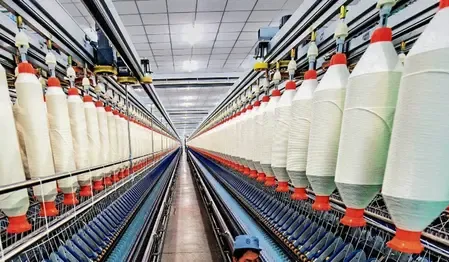
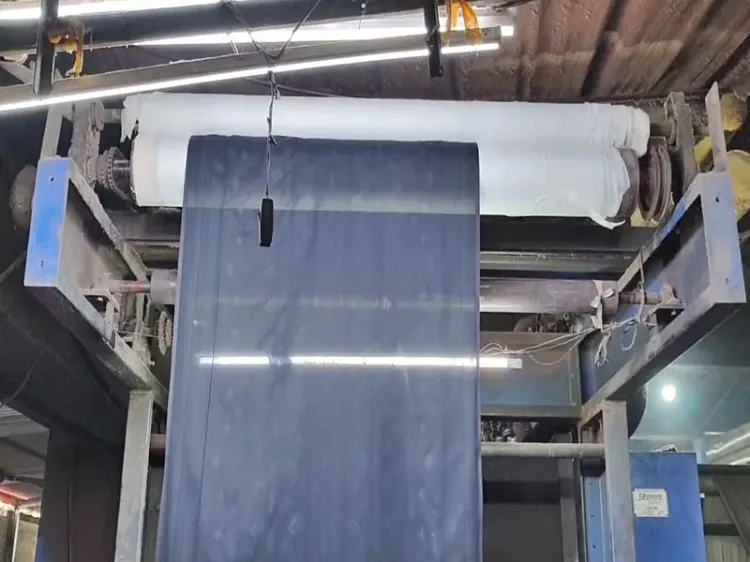
The Indian government's recent decision to eliminate customs duties on crucial petrochemical raw materials is set to provide much-needed relief to Surat's textile and plastics industries, which are facing rising production costs due to global market pressures. This three-month duty suspension is expected to stabilize prices and enhance competitiveness.
Key Takeaways
Customs duty on petrochemical raw materials cut to zero Effective for three months: April, May, June Expected production cost reduction of 5 to 10 percent Key materials include PTA and MEG Positive impact on MSMEs and yarn prices
Surat, April 3 (NationPress) The Indian government has announced a significant reduction in the basic customs duty on over 40 essential petrochemical raw materials to zero, effective for a three-month period. This strategic move aims to alleviate the financial burden on Surat’s textile and plastics sectors, which have been grappling with escalating global input costs.
The previous duty of 7.5 percent has been eliminated for key materials such as purified terephthalic acid (PTA) and monoethylene glycol (MEG), both of which are vital for the manufacturing of man-made fibers.
This relief measure will be in effect through April, May, and June. Industry leaders in Surat commented that this decision arrives as crude oil prices, driven by geopolitical tensions, have sharply raised production expenses.
Nikhil Madrasi, President of the Southern Gujarat Chamber of Commerce and Industry, noted that crude oil prices have nearly doubled within the last month, resulting in yarn prices surging by as much as 30 percent.
“With the customs duty now set to zero, we anticipate a reduction in production costs by approximately 5 to 10 percent. Yarn producers have already begun to lower prices by up to Rs 7 per kilogram,” he explained, remarking on the positive implications for the man-made fiber industry.
Bhavin Vora, Director of Polymer Bazaar, indicated that raw material costs had surged by 50 to 60 percent from March 1 to March 10, complicating order fulfillment for many manufacturers.
“Prominent producers have already cut PET prices by up to Rs 5.5. This decision by the government is particularly beneficial for micro, small, and medium enterprises (MSMEs),” he stated.
Pradeep Parikh, a yarn trader based in Surat, mentioned that reduced input expenses would enable small and medium enterprises to regain their competitive edge in export markets.
“This policy could yield a direct positive influence of 7 to 10 percent on the yarn market,” he noted.
Lalit Sharma, a textile trader and President of the Textile Youth Brigade, pointed out ongoing export disruptions caused by tensions affecting crucial shipping lanes, such as the Strait of Hormuz.
“During a time when weavers faced challenges from inflated yarn prices and logistical issues, this decision provides essential relief. It will assist in price stabilization and offer the industry some respite amid the current downturn,” he commented.
Industry experts believe that the temporary cut in customs duty may help restore order flows and alleviate working capital challenges, although they cautioned that long-term stability will rely on global pricing trends and supply chain conditions.
Point of View
The Indian government's decision to remove customs duties on petrochemical raw materials presents a timely and strategic intervention. While this move is welcomed by industry stakeholders, its long-term effectiveness will hinge on global market trends and geopolitical stability. The focus must remain on ensuring sustainable growth for Surat's vital textile and plastics sectors.
NationPress
22 Oct 2026
Frequently Asked Questions
What materials are affected by the customs duty reduction?
The customs duty reduction applies to over 40 key petrochemical raw materials, including purified terephthalic acid (PTA) and monoethylene glycol (MEG).
How long will the duty reduction be in effect?
The duty reduction will be in place for three months, covering April, May, and June.
What impact will this have on production costs?
Experts estimate that production costs could decrease by 5 to 10 percent due to the elimination of customs duties.
Who will benefit from this decision?
The decision is expected to benefit various stakeholders in the textile and plastics industries, particularly micro, small, and medium enterprises (MSMEs).
What are the potential long-term implications?
While this measure provides immediate relief, long-term stability will depend on global price trends and supply chain conditions.