Government Unveils Support Measures for Industries and Consumers Amid Iran Conflict
Synopsis
In response to the economic disruptions caused by the Iran war, the Indian government has announced significant relief measures to support industries and consumers. This includes customs duty cuts, fuel price controls, and enhanced export incentives, aiming to stabilize key sectors affected by the ongoing conflict.
Key Takeaways
Customs duties on key raw materials have been reduced.
A relief scheme offering Rs 497 crore in credit cover has been introduced.
Excise duties on petrol and diesel have been cut by Rs 10 per litre .
Support for MSMEs is a focus in the new measures.
Further announcements are anticipated as the situation evolves.
New Delhi, April 2 (NationPress) The Indian government has introduced a comprehensive set of relief measures designed to protect both the manufacturing sector and consumers from the negative economic effects of the ongoing conflict in Iran, which has disrupted supply chains and impacted export activities.
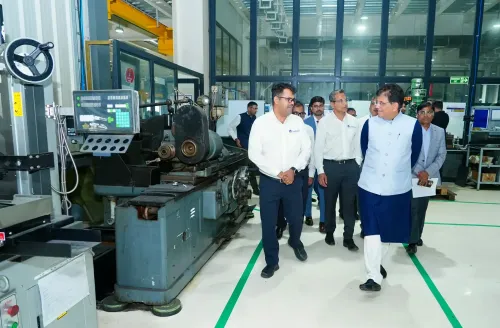
The Finance Ministry has detailed initiatives that include reductions in customs duties on essential raw materials, export incentives, fuel price regulations, and various financial support systems, all aimed at maintaining stability in crucial industries.
Furthermore, the government has permitted Special Economic Zone (SEZ) units to sell products domestically at reduced customs duty rates. Previously, these sales were subject to full import-equivalent duties, but these have now been lowered to between 5 and 12.5 percent, providing a boost to manufacturing enterprises.
Customs duties on vital petrochemical products have also been cut in response to supply challenges stemming from the West Asia conflict. This relief is anticipated to benefit several sectors, including plastics, packaging, textiles, pharmaceuticals, chemicals, and automotive components.
Additionally, the Department of Financial Services is considering establishing a war risk pool, known as the Bharat P&I fund, to manage shipping and trade risks.
The government has also taken steps to limit the impact of a 25 percent rise in aviation turbine fuel (ATF) prices, ensuring that airfare surcharges remain manageable.
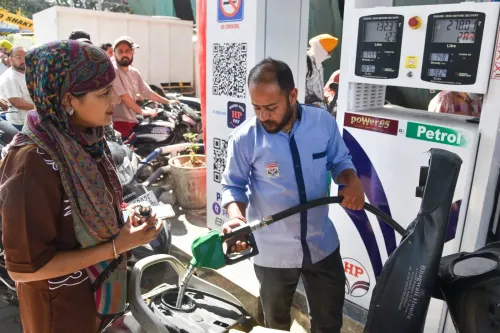
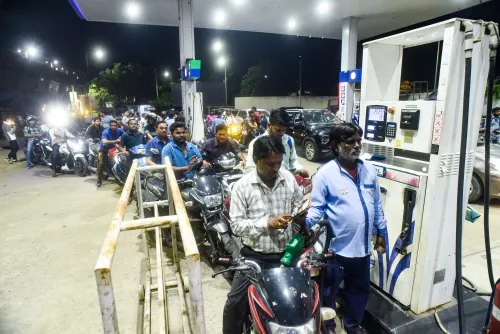
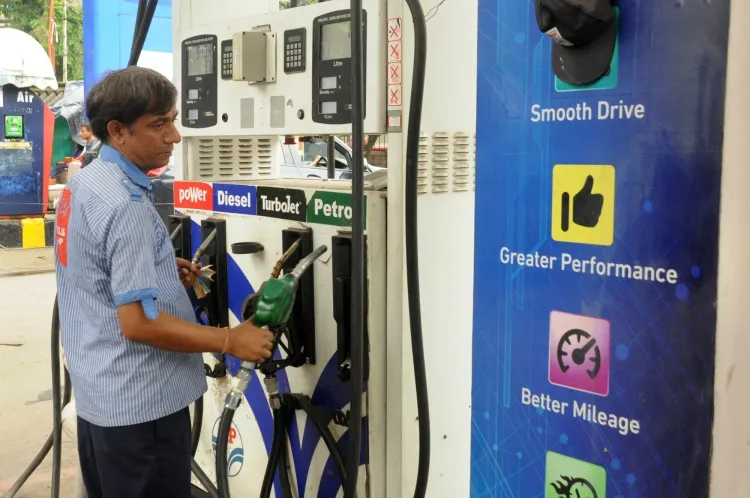
To prevent a surge in retail fuel prices for consumers, excise duty on petrol and diesel has been reduced by Rs 10 per litre.
Moreover, a new relief initiative under the Export Promotion framework has been launched, offering credit coverage worth Rs 497 crore, particularly aimed at supporting MSMEs that play a significant role in employment across the nation.
The government has restored RoDTEP (Remission of Duties and Taxes on Exported Products) benefits to their full 100 percent, including those for the labor-intensive textiles sector.
Additional banking and financing support measures are currently being developed, with further announcements anticipated soon.
The Finance Ministry has indicated that these actions are part of a broader, measured response to shifting geopolitical risks, suggesting that more measures may be forthcoming as the situation evolves.
Point of View
It is crucial to emphasize the government's proactive approach in response to the economic challenges posed by the Iran war. The measures announced reflect a commitment to safeguarding the interests of both the industry and consumers, ensuring stability in the face of geopolitical uncertainties.
NationPress
8 Oct 2026
Frequently Asked Questions
What relief measures has the government introduced?
The government has announced customs duty cuts, export incentives, fuel price controls, and financial support mechanisms to help industries and consumers affected by the Iran war.
How will these measures impact consumers?
Consumers will benefit from reduced excise duties on fuel and controlled airfare surcharges, helping to keep retail prices stable.
What sectors are expected to benefit from these initiatives?
Sectors such as plastics, packaging, textiles, pharmaceuticals, chemicals, and auto components are expected to gain from the customs duty reductions.
Is there any support for MSMEs?
Yes, the government has introduced a relief scheme offering credit cover worth Rs 497 crore specifically aimed at supporting MSMEs.
Are there plans for further measures?
Yes, additional banking and financing support measures are being developed, with further announcements expected soon.