Swamy flags security agencies' concern over Starlink's satellite links
Synopsis
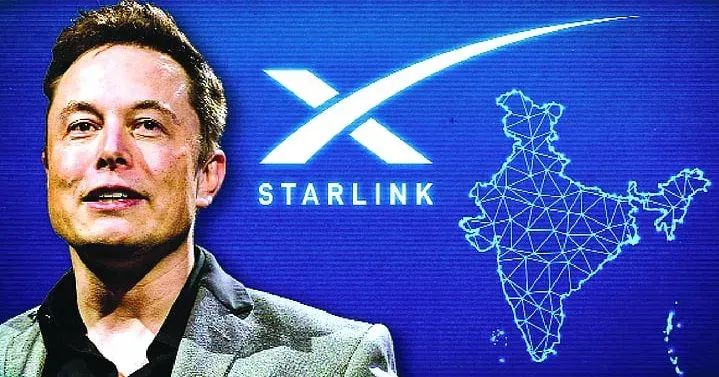
India's security agencies have raised flags over Starlink's foreign-routed satellite connectivity and are pressing for mandatory Indian gateways, a sovereignty battle veteran politician Dr. Subramanian Swamy has brought into sharper political focus.
Key Takeaways
Indian security agencies have flagged Starlink 's foreign satellite connectivity as a national-security and data-sovereignty risk.
Agencies are seeking mandatory Indian gateways so domestic traffic does not route through infrastructure outside India's legal reach.
The Department of Telecommunications controls the licence approval that Starlink still awaits for a full commercial rollout in India.
2020 ) and TRAI 's 2021–22 satellite broadband recommendations form the existing regulatory framework for this dispute.
The pattern mirrors India's earlier scrutiny of foreign telecom equipment in 4G/5G networks, which ended in exclusions for high-risk vendors.
Veteran politician Dr.
Subramanian Swamy amplified the issue on 2 November 2026 , signalling it has become a political-level concern.
India's intelligence and security apparatus has trained its sights on Starlink, SpaceX's global satellite broadband constellation, raising alarms over unmediated foreign connectivity and pressing for tighter sovereign control — a friction point veteran politician Dr. Subramanian Swamy amplified on Monday, 2 November 2026.
What the security agencies are demanding
At the heart of the concern is a structural one: Starlink's architecture routes traffic through foreign ground stations and satellites, meaning data from Indian users can traverse infrastructure outside New Delhi's jurisdiction. Security agencies want Indian gateways mandated — effectively forcing traffic to touch Indian soil before reaching the wider internet. Without that, encrypted or high-bandwidth links could, in theory, operate beyond the reach of lawful interception frameworks.
The Department of Telecommunications (DoT) sits at the centre of this regulatory standoff. It oversees licensing for satellite broadband services, and any approval for Starlink's commercial rollout in India would have to clear its security-clearance process. That process, sources familiar with the sector indicate, has become significantly more demanding as agencies sharpen their demands.
The longer arc: foreign tech, Indian sovereignty
This is not India's first brush with the dilemma of powerful foreign connectivity infrastructure. The debate over Chinese telecom equipment in 4G and early 5G networks through the late 2010s followed a near-identical script — capability on one side, sovereignty risk on the other. India ultimately moved to exclude equipment from vendors deemed high-risk. Satellite internet is the next frontier of that same argument.
IN-SPACe, the independent nodal agency established in 2020 to regulate private space activity, and TRAI's 2021–22 recommendations on satellite broadband licensing together form the policy scaffolding inside which this fight is playing out. Both frameworks were designed partly to ensure India could extract economic benefit from foreign satellite operators while retaining regulatory leverage. Whether that leverage is strong enough to compel a company of SpaceX's scale to restructure its ground architecture for the Indian market is the open question.
Why Starlink's India licence remains in limbo
SpaceX has been seeking a commercial operating licence in India for several years. Competitors including Amazon's Project Kuiper and domestic players backed by ISRO are also in the frame. But Starlink, with its already-operational global constellation, is the most immediate case. The licence outcome — and crucially, what conditions attach to it — will set the template for every foreign satellite operator that follows.
Dr. Swamy's decision to spotlight the issue signals that it has moved from a bureaucratic file to a political flashpoint. When a senior parliamentarian and long-time national-security hawk flags a regulatory concern publicly, it applies pressure on both the DoT and the Ministry of Home Affairs to harden their positions before any commercial clearance is granted.
The question every space investor is now watching
Can India thread the needle — allowing world-class satellite broadband to reach its 650-million-plus unconnected citizens while ensuring the pipes carrying that data remain inside Indian legal reach? The answer will define not just Starlink's India story, but the country's posture toward the entire emerging layer of space-based digital infrastructure. New Delhi has a track record of slow-walking approvals until its security conditions are met. The clock is ticking for SpaceX.
Point of View
Conceding an Indian-gateway requirement could set a global precedent other sovereign markets will quickly imitate — raising the strategic stakes well beyond a single operating licence.
NationPress
2 Nov 2026
Frequently Asked Questions
Why are Indian security agencies concerned about Starlink?
They are worried that Starlink's architecture routes Indian user data through foreign ground stations and satellites, placing it outside India's lawful-interception framework and raising data-sovereignty risks.
Has Starlink received a licence to operate commercially in India?
As of November 2026, Starlink's full commercial licence in India remains pending, with security clearance from the Department of Telecommunications a key outstanding requirement.
What is IN-SPACe and what role does it play here?
IN-SPACe is an independent body established in 2020 under the Department of Space to authorise and regulate private satellite activity in India, including the entry of foreign operators like SpaceX.
What do Indian agencies mean by 'mandatory Indian gateways' for Starlink?
It means requiring Starlink to route Indian traffic through ground stations located on Indian soil, ensuring data remains subject to domestic law before reaching the global internet.
How is the Starlink situation similar to India's 5G equipment debate?
Both involve foreign-controlled infrastructure carrying sensitive Indian data; India previously imposed restrictions on Chinese telecom vendors over similar sovereignty and interception concerns, and analysts see the Starlink case as the satellite-era equivalent.