Tamil Nadu bans construction stone exports to states for 3 months
Synopsis
Tamil Nadu has shut the gate on construction material exports — gravel, M-sand, cut stones and more — for three months starting 28 July. With domestic prices rising, roads crumbling under overloaded trucks, and illegal quarrying accelerating, the state is prioritising its own infrastructure pipeline over cross-border trade. Karnataka, Kerala and Andhra Pradesh, which reportedly face no comparable shortages, are the primary states affected.
Key Takeaways
Tamil Nadu imposed a three-month ban on inter-state transport of construction materials effective 28 July .
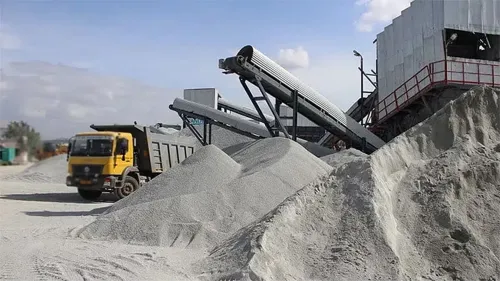
Banned materials include gravel, cut stones, M-sand, metal jelly, ballast and mill stones.
Puducherry is exempt; all other neighbouring states — including Karnataka, Kerala and Andhra Pradesh — are covered.
The order was issued by Prabhu Shankar , Director, Department of Geology and Mining .
Triggers include artificial scarcity, price escalation, illegal quarrying , road damage and rising accident rates from heavy vehicles.
District Collectors and Superintendents of Police in border districts have been directed to enforce the ban at inter-state checkpoints.
The Tamil Nadu government has imposed a three-month temporary ban on the inter-state transportation of gravel, cut stones, M-sand, metal jelly and related construction materials to all neighbouring states, effective 28 July. The order, issued by Prabhu Shankar, Director of the Department of Geology and Mining, cites surging domestic demand, artificial scarcity, price escalation, illegal quarrying, and road safety concerns as the key drivers.
What the Ban Covers
The restriction applies to the outward movement of gravel, cut stones, M-sand, metal jelly, ballast, mill stones and allied construction materials across Tamil Nadu's borders to neighbouring states. Notably, the Union Territory of Puducherry is exempt from the ban. The order is directed at ensuring uninterrupted supply for infrastructure and housing projects currently under execution within the state.
Why Tamil Nadu Acted Now
According to the government, the rapid rollout of public infrastructure and housing schemes has driven a sharp spike in demand for construction materials. At the same time, large volumes of these materials have been flowing out to neighbouring states, creating a widening supply gap inside Tamil Nadu. Officials said this imbalance has led to artificial scarcity and price escalation, disrupting both government-run and private construction works.
The government further noted that states such as Karnataka, Kerala and Andhra Pradesh do not face any significant shortage of construction stones, making the scale of outward shipments from Tamil Nadu difficult to justify on supply grounds.
Illegal Mining and Road Safety Concerns
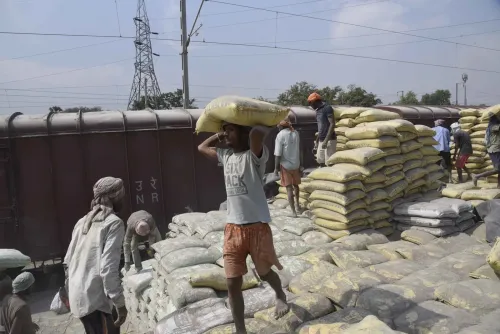
The order also flags a direct link between rising demand and the growth of illegal quarrying. Officials warned that extraction beyond permitted limits poses a serious threat to the environment and ecological balance. Separately, the continuous movement of heavy-duty trucks and multi-axle vehicles carrying construction materials has caused extensive damage to local roads and contributed to a rise in road accidents and fatalities, according to the order.
Enforcement Mechanism
The government has directed all District Collectors, Superintendents of Police and officials in border districts to strictly enforce the ban. Departments have been instructed to maintain heightened vigilance at inter-state checkpoints to prevent unauthorised consignments from leaving the state. Strict action under existing mining and transport regulations has been warned against violators.
What Happens Next
The three-month window is intended to stabilise domestic supply and prices while giving authorities time to clamp down on illegal extraction. Whether the ban will be extended, or accompanied by longer-term supply-side reforms, will depend on how quickly the domestic market rebalances. Contractors and builders within Tamil Nadu are expected to see some near-term relief in material availability.
Point of View
But the underlying pressures it addresses are real. Domestic construction pipelines are straining supply, and illegal quarrying — the inevitable shadow economy of any shortage — is accelerating environmental damage. What the order does not resolve is the structural question: why Tamil Nadu's quarrying capacity has not kept pace with its own infrastructure ambitions. A three-month freeze buys time, but without parallel action on licensed quarrying capacity and enforcement of extraction limits, the same pressures will return the moment the ban lifts. The exemption of Puducherry, a Union Territory, is a pragmatic carve-out, but it also signals the limits of a state-level fix for what is partly a cross-border regulatory coordination problem.
NationPress
26 Oct 2026
Frequently Asked Questions
What has Tamil Nadu banned regarding construction materials?
Tamil Nadu has imposed a three-month ban on the transportation of gravel, cut stones, M-sand, metal jelly, ballast, mill stones and related construction materials to all neighbouring states. The ban was ordered on 28 July by the Department of Geology and Mining to address domestic shortages, price escalation and illegal quarrying.
Which states are affected by Tamil Nadu's construction material ban?
All neighbouring states — primarily Karnataka, Kerala and Andhra Pradesh — are covered by the ban. The Union Territory of Puducherry has been specifically exempted from the restriction.
Why has Tamil Nadu imposed this ban on construction stone exports?
The government cited a combination of factors: surging domestic demand from ongoing public infrastructure and housing projects, artificial scarcity and price escalation caused by large outward shipments, illegal quarrying beyond permitted limits, and road damage and accidents caused by heavy transport vehicles.
Who is responsible for enforcing the Tamil Nadu construction material ban?
District Collectors, Superintendents of Police and officials in border districts have been directed to enforce the ban. Departments have been tasked with maintaining heightened vigilance at inter-state checkpoints to prevent unauthorised consignments from crossing state borders.
How long will the Tamil Nadu construction material export ban last?
The ban is temporary and set for three months from the date of the order, 28 July. The government has not yet indicated whether it will be extended, which will likely depend on whether domestic supply and prices stabilise during this period.