Tamil Nadu CM Vijay hikes milk procurement price to Rs 41/litre
Synopsis
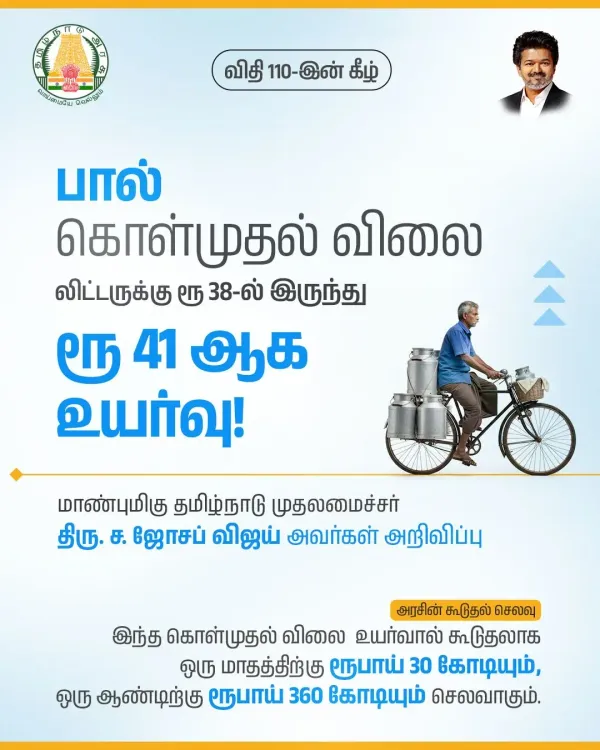
Chief Minister C. Joseph Vijay announced in the Tamil Nadu Legislative Assembly under Rule 110 that milk procurement prices will rise from Rs 38 to Rs 41 per litre — an 8 percent hike aimed at supporting the state's dairy farmers against rising input costs.
Key Takeaways
Tamil Nadu's milk procurement price has been raised from Rs 38 to Rs 41 per litre , a hike of Rs 3 .
The announcement was made by Chief Minister C.
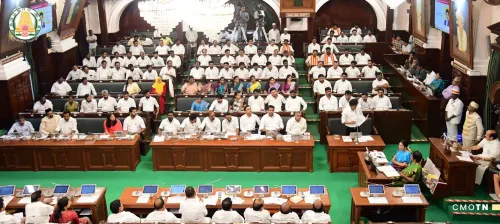
Joseph Vijay on the floor of the Tamil Nadu Legislative Assembly on 19 August 2026 .
The CM invoked Rule 110 , an Assembly procedure for urgent public-interest statements without prior notice.
The revision represents approximately an 8 percent increase over the previous procurement floor price.
The effective date of the new rate and any corresponding change in Aavin retail prices are yet to be confirmed.
Dairy farmers across Tamil Nadu woke up to a meaningful boost on Wednesday, 19 August 2026 — the state's milk procurement price has been raised by Rs 3 per litre, climbing from Rs 38 to Rs 41. The announcement came directly from the floor of the Tamil Nadu Legislative Assembly, where Chief Minister C. Joseph Vijay invoked Rule 110 to place the revision on record without prior notice.
A floor announcement that carries weight
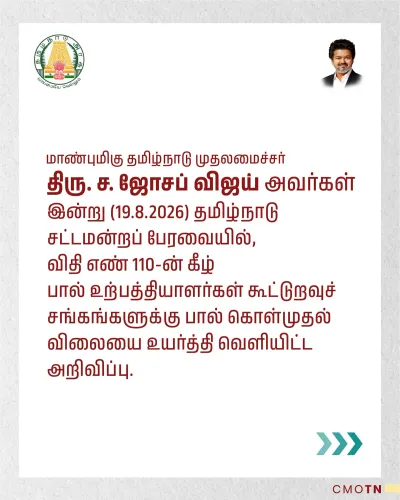
Rule 110 of the Tamil Nadu Assembly is a procedural instrument that allows ministers to make statements of public importance mid-session, bypassing the usual notice requirement. Choosing this route signals that the government treated the price revision as urgent enough to share with legislators — and by extension the public — without delay. The Chief Minister's Office posted the announcement in Tamil, quoting the decision verbatim: a procurement price rise from Rs 38 to Rs 41 per litre.
What Rs 3 more per litre means for Tamil Nadu's dairy belt
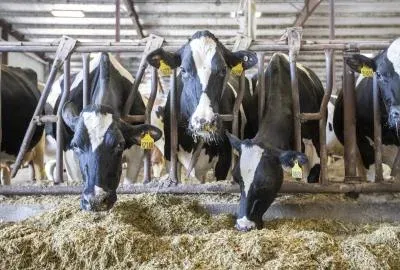
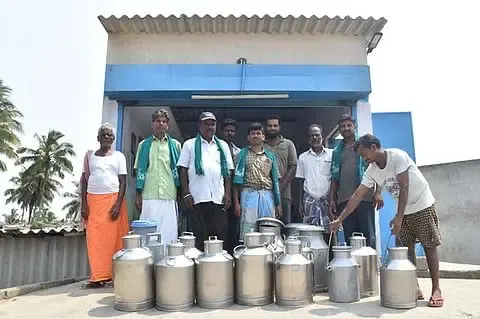
Milk procurement pricing in India is not a bureaucratic footnote — it is the financial lifeline of small and marginal dairy farmers who sell their daily output to cooperative federations. When feed costs, transportation charges, and veterinary expenses rise, a stagnant procurement price squeezes household incomes in the state's rural dairy belt. A Rs 3 per litre revision represents roughly an 8 percent increase over the previous floor price, offering some relief against those input pressures.
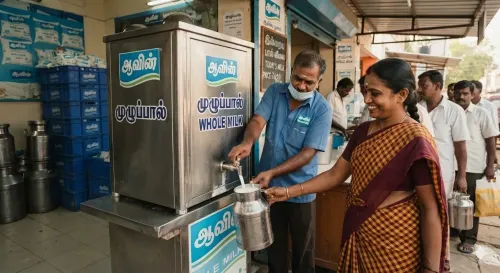
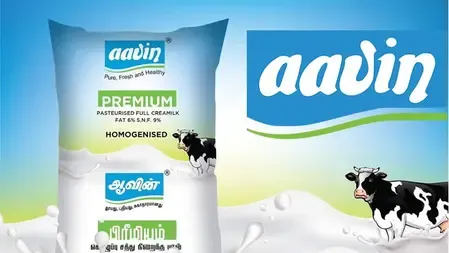
State governments across India have periodically revisited these rates, particularly ahead of or during legislative sessions, to demonstrate visible support for rural livelihoods. Tamil Nadu's dairy cooperative network — anchored by Aavin — connects tens of thousands of farmers to urban consumers, making procurement price decisions ripple from the village milk-pouring shed all the way to city doorsteps.
What still needs answering
The announcement, as made on the Assembly floor, establishes the new rate but leaves two practical questions open: the effective date from which farmers will receive Rs 41 per litre, and whether retail consumer prices through Aavin outlets will be adjusted in tandem. Those details will determine how the revision is absorbed across the supply chain — and whether the benefit flows cleanly to producers or is offset by downstream margin pressure.
For now, the message from the Assembly chamber is unambiguous: Tamil Nadu's farmers who supply milk to the cooperative system will see a better price. The fine print follows.
Point of View
Maximising visibility with rural constituencies. The move fits a broader pattern of Indian state governments using dairy pricing as a high-visibility signal of agrarian solidarity, especially when input costs are rising. The 8 percent hike is substantive enough to matter to small farmers but modest enough to avoid immediate pressure on consumer retail prices, suggesting the government is threading a careful needle. The unanswered questions on effective date and retail pass-through will reveal whether the announcement is a clean transfer to producers or the opening move in a longer negotiation with the cooperative supply chain.
NationPress
19 Aug 2026
Frequently Asked Questions
What is the new milk procurement price in Tamil Nadu?
The new milk procurement price in Tamil Nadu is Rs 41 per litre , up from the earlier rate of Rs 38 per litre — an increase of Rs 3 per litre.
Who announced the milk price hike in Tamil Nadu?
Chief Minister C. Joseph Vijay made the announcement on the floor of the Tamil Nadu Legislative Assembly on 19 August 2026 under Rule 110.
What is Rule 110 in the Tamil Nadu Assembly?
Rule 110 is an Assembly procedure that allows a minister to make a statement on a matter of public importance without giving prior notice, enabling urgent announcements mid-session.
Will Aavin milk prices increase for consumers after this hike?
That has not been confirmed yet. The announcement covers the procurement price paid to farmers ; any revision to retail consumer prices through Aavin outlets is a separate decision that the government has not yet announced.
When will the new Rs 41 per litre milk procurement price take effect in Tamil Nadu?
The effective date has not been specified in the announcement made on 19 August 2026 . Further official communication from the government is expected to clarify this.